There’s a common misconception that you can’t use retinol during the summer because doing so will leave your skin vulnerable to the sun’s rays. While retinol can make your skin more sensitive to ultraviolet rays, you certainly don’t have to discontinue retinol use altogether. Here’s why using retinol skin care products during the summer is possible and tips on how to use retinol safely.
What’s Behind the Common Belief That Summer Retinol Use Is Unsafe?
Many people believe that retinol use during the summer is unsafe because it speeds up cell turnover. It reveals newer skin that can be more vulnerable to UV exposure. While it’s true that this new skin is more hypersensitive, there are many ways to protect this new layer of skin and benefit from the use of retinol year-round as long as you use caution and medical grade skincare products.
Tips for Safe Retinol Use in the Summer
If you want to unclog pores, stimulate collagen production and promote cell turnover without giving up your retinol during the summer, here are a few useful tips from dermatology experts.
Use Retinol at Night and Be Strategic About Protection
Protecting your fresh layer of skin against the sun is one concern, but another is retinol efficacy. What many people don’t know is that UV rays can degrade vitamin A, preventing retinol products from doing their job. The best course of action to follow during the summer is to apply retinol at night so that UV rays don’t prevent you from seeing your desired results.
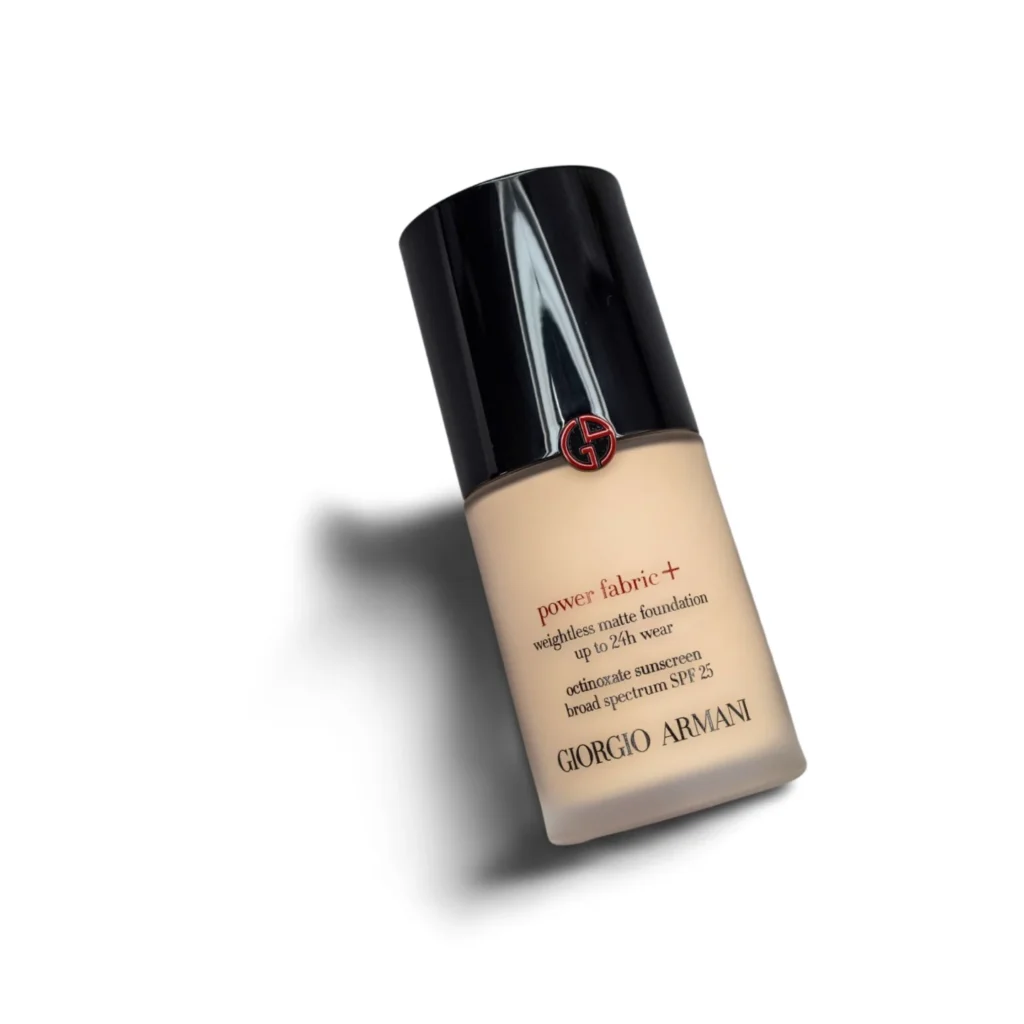
If you do wear retinol during the day, be mindful about protection. Use a product that contains both retinol and sunscreen, or layer sunscreen over your retinol to prevent UV rays from inactivating your retinol. While nighttime application helps maximize retinol’s effectiveness, daytime protection is what allows you to continue using it confidently throughout the summer.
Wear Plenty of Sunscreen When You Go Outside
Sun protection is important regardless of the skin products you’re using during the summer. It’s especially important when using retinol, as the new skin revealed while using it is especially sensitive. It’s recommended that you use sun protection with SPF 30 for daily activities and minor sun exposure. If you’re planning to be out in the sun for extended periods while engaged in more vigorous activity, wear water-resistant sun protection with SPF 50. Make sure to apply your sunscreen every few hours so that your skin is as safe as possible from the sun’s rays.
As an additional note, keep in mind that there are different levels of water resistance for sun protection products. A good water-resistant face moisturizer with SPF can help provide everyday protection when you’re sweating more than usual or spending time outdoors. Extra water-resistant sunscreen (or “waterproof”) would be a better fit if you perspire heavily or spend a lot of time in the water or at the beach regularly.
Avoid Peak Hours When the Sun Can Do the Most Damage
UV rays are the strongest from 10 in the morning to 4 in the afternoon. If you are using retinol, try to avoid sun exposure during those hours to prevent strong UV rays from degrading your retinol products or affecting your skin. If you do need to be out during these times, wear sun protection and a hat that shades your face.
Keep Your Skin Well-Moisturized With Hyaluronic Acid
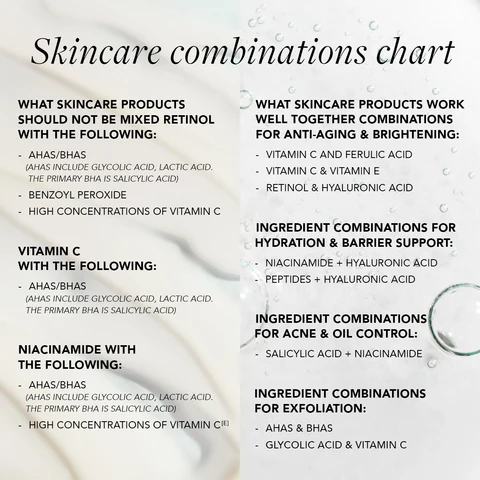
Products with high concentrations of retinol may have side effects such as dryness, peeling and irritation. These make your skin more sensitive overall, as well as sensitive to the sun. To counteract these side effects and make sure that your skin is summer-ready, use products that keep your skin moisturized. Skincare experts recommend hyaluronic acid products, as this ingredient acts as a humectant that draws moisture into the skin and keeps it there. And hyaluronic acid for the face won’t counteract the effects of your retinol products or prevent them from working.
Alongside Deeply Moisturizing Products, Use a Good, Gentle Cleanser
Your skin already goes through a lot as a result of exposure to UV rays, as well as retinol use. Unless you need a more aggressive cleanser because your dermatologist has recommended it, opt for a gentle cleanser instead. A gentle cleanser will help you keep your skin clean and healthy without preventing any further damage or irritation that could leave your skin feeling worse for wear. Try looking for a gentle cleanser that helps keep your skin moist so that you can counteract the effects of retinol skin care products with higher retinol levels.
Don’t Use Retinol on a Sunburn
There are a few things that you should never do when using retinol during the summer. Some of these are obvious, such as avoiding harsh exfoliants during the summer that could cause irritation and leave you more vulnerable to sun damage. However, others might not be as obvious. For example, if you have a minor sunburn during the summer, you might think that it’s OK to continue your skincare regimen as-is. If your skin is already irritated from the sunburn, retinol can exacerbate that irritation. Consider discontinuing use until your skin is back to its healthy condition.
Retinol use during the summer is OK, despite what many have been taught to believe. While retinol does prompt greater cell production and reveal new, fresh skin that can be sensitive to sunlight, you don’t have to quit retinol use altogether in the summer sunlight. Instead, focus on using retinol thoughtfully alongside daily sun protection and consistent hydration to keep your skin healthy throughout the season