Definition guide of skin and hair terms. We define skin & hair terms for effective ingredients that get results. Updated regularly.
A | B | C | D | E | F | G | H | I | J | K | L | M
N | O | P | Q | R | S | T | U | V | W | X | Y | Z
C
Ca-Ce Cf-Cl – Cm-Cz
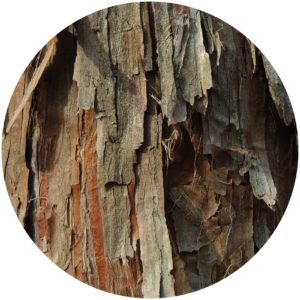
Cedar bark
- Cedarwood Extract
- Cedarwood extract is derived from the needles, leaves, bark, and berries of cedar trees. It reduces hair loss by balancing oil production. It also has antifungal and antibacterial properties to keep the scalp healthy. A double-blind, evidence-based method study showed a mix of lavender, rosemary, and cedarwood extract reduced hair loss significantly amongst alopecia areata patients. [9]
- Cehami
- Cehami is a humectant, filling the skin with moisture. It is an extract from an Australian daisy. It is an effective anti-itch analgesic, anti-inflammatory, anti-microbial, and cellular regeneration accelerant. Cehami makes skin look healthier and younger.
- Cellulose
- Cellulose is found in volumizing shampoos to temporarily plump the texture of hair strands.
-
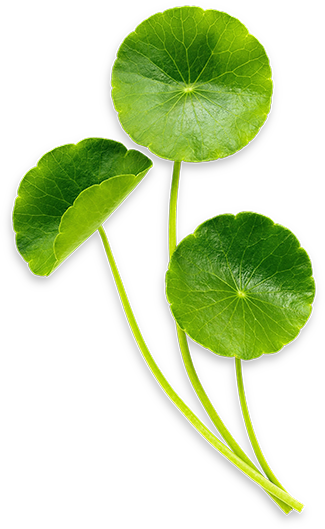
Centella Asiatica AKA Gota Kola improves skin elasticity for firmer skin
Centella Asiatica extract
- Centella asiatica extract is better known as Gotu Kola. Gotu Kola is especially good at improving elasticity and reduce sagging. It boosts antioxidant activity, strengthenings the skin and increases blood circulation. [10]
- Ceramides
- Ceramides are the fatty acids that help to hold cells together and protect the epidermis. Natural ceramides deplete with age or due to excessive stripping of the natural skin oils. Ceramides found in topical formulations come from either plant sources or are created synthetics which are generally considered safe[11]. A few safe ceramides include the following:
- Ceramide-2
- Ceramide-2 is one of the ceramides that hold the lipid barrier which protects the skin. We are born with enough ceramides but lose them with age or sometimes with overly harsh facial washing. Ceramide-2 is used for its’ ability to moisturize and hold moisture in the skin.
- Ceramide-3
- Ceramide-3 is an excellent moisturizing agent, highly useful as a buffer for potent actives. Trihydroxypalmitamidohydroxypropyl Myristyl Ether, AKA Ceramide-3, keeps skin hydrated without being greasy. Ceramide-3 enhances the smooth product finish while repairing the skin barrier. Ceramide-3 keeps skin hydrated without being greasy.
Ceramide AP
Ceramide AP is a long-chain fatty acid ceramide found in the skin. It is one of the primary ceramides. It works well with other ceramides to keep skin hydrated. Decreased levels of AP related to environmental stressors are often correlated with skin barrier conditions such as eczema and psoriasis. Ceramide AP is most effective when topically applied with cholesterol to counteract skin barrier problems.[12]
Ceramide EOP
A ceramide that works best with other ceramides and cholesterol to protect the skin barrier and resiliency.
Ceramide NP
A ceramide found in the skin. It is a hydrating, anti-aging emollient to protect upper skin layers. Containing fatty acids, it reinforces the skin barrier on dehydrated skin.[13]
- Certified Organic
- Certified Organic is when an Organic Certification Body or organization verifies that an ingredient was grown, prepared, processed and packaged without the use of synthetic fertilizers or chemicals.
- Cetearyl Olivate
- Cetearyl Olivate is a combination of the ester of Cetearyl Alcohol and the fatty acids from Olives. It is not drying because Cetearyl Olivate is moisture attracting and retaining. Olive oil fatty acids have skin-enhancing Omega-3s and polyphenols. These make skin glow! Cetearyl Olivate will not clog pores.
- Chaga
- Chaga mushroom is anti-inflammatory and anti-oxidant. It is a natural adaptogen traditionally used in folk and medicine. It provides environmental and stress-protection to the skin, including oxidative stress. [14] It is packed with dismutase and zinc. Zinc eases acne and reduces inflammation and irritation. [15]
- Chamomilla Recutita
-
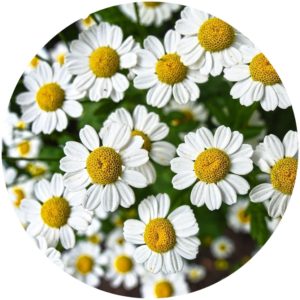
Chamomile
German Chamomile. It is an antioxidant with potent skin-soothing action. [16] It contains Terpenoids, bisabolol, and chamazulene.
Chamomile- Chamomile is an antioxidant with potent skin-soothing action. [17] It contains Terpenoids, bisabolol and chamazulene. Chamomile Extract is excellent in a formulation with powerful actives because it contains flavones. These flavones inhibit the production of inflammation, even in deeper skin layers. [18] Meanwhile, The apigenin in Chamomile protects the skin barrier [19]. This gentle and hypoallergenic extract soothes skin, heals burns, and is great for helping skin recover and benefit from chemical peels. Chamomile Extract also kills acne-causing bacteria while soothing the skin. [20] Chamomile also benefits hair.
- Chamomile oil can moisturize damaged hair. [21] It is also an anti-inflammatory to treat some scalp conditions that impact hair growth. It is an anti fungal which reduces dandruff. [22]
- Chamomile tea can be used to enhance and brighten tone on blondes or natural blonde highlights.
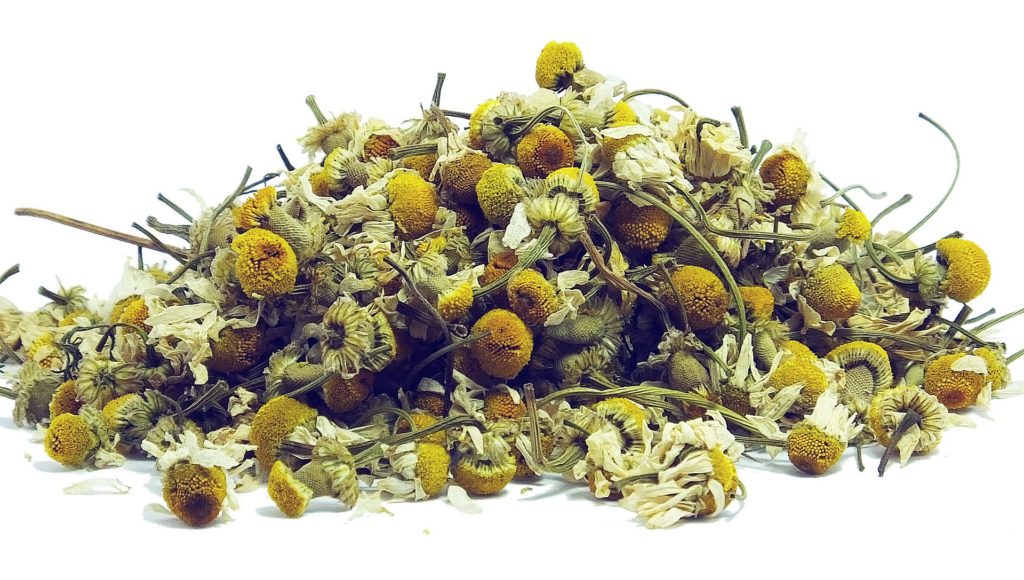
Chamomile benefits hair and skin
- Chia Seed Oil
- Chia Seed Oil feeds hair and skin. It makes hair shiny and strong, and skin smooth. It contains alpha-linolenic acid, an important essential fatty acid, vitamins, and minerals.
- Chicory Root Extract
- Chicory Root Extract, also known as Cichorium Intybus, firms wrinkles, restores elasticity and fights signs of photo-aging.
- Choline
- Choline is found in some beauty and prenatal supplements. It helps the body create DNA for nerve signaling, and for detoxification. It’s also used for acetylcholine function, and it is an anti-aging neurotransmitter.
-

Chondrus Crispus
Chondrus Crispus Extract
Chondrus Crispus Extract is a variety of Red Algae seaweed.
This seaweed is rich in beta-carotene, antioxidants zeaxanthin and lutein which protect skin from blue light (such as from smartphones).
It contains natural peptides and amino acids to keep skin hydrated by locking in moisture. It contains Carrageenan which provides defense against environmental stressors.
Cica
- See Centella Asiatica extract
- Cinnamonum Extract
-

Cinnamon Bark
Cinnamonum Extract is a type of cinnamon bark.
It is used in skincare as an antiseptic, antibiotic, and astringent.
Cinnamon bark enhances the permeation and delivery of topical treating ingredients via the skin.[22]
Cinnamonum Extract helps eliminate bacteria and detoxifies and has antiseptic properties.[23] It is particularly effective in eliminating Staphylococcus epidermidis. [24]
Studies suggest cinnamaldehyde, a component in cinnamon, may enhance healing in aeruginosa-infected skin wounds. [25]
Cinnamon oil has also been used as a natural temporary lip plumping agent, such as in the product “Lip Venom”.
- Citrus Aurantium Dulcis (Orange) Peel Oil
- Orange Peel has more Vitamin C than the fleshly orange fruit, almost double. It improves collagen production resulting in the reduction of dark spots and wrinkles. It fights free radicals, removes blackheads and acne, and reduces wrinkles. Orange peel is also an antioxidant that reduces inflammation. The bacteria-fighting and inflammation reduction properties reduce acne without excess skin drying. A citrus oil with a refreshing or neutralizing scent.


Orange Peel Oil
- Citrus Limon Peel Extract
- Lemon/Limon peel contains concentrated vitamin C to build collagen, fade age spots and rejuvenate photodamage. Vitamin C reduces excess oil production, shrinks pores, and exfoliates dead surface skin. These reduce the formation of adult acne while treating skin aging.
Lemon Peel Oil is also a natural exfoliator and skin purifier. [26] It alleviates skin inflammation [27] and reduces certain infection-causing bacteria. [28]
Direct, undiluted application of lemon peel oil can be excessively drying to the skin, but it works well within a balanced formulation.
- Citrus Grandis
- Citrus Grandis is Grapefruit, in this case, Grapefruit Peel Oil. Grapefruit Peel Oil is high in collagen-producing Vitamin C.
It has antibacterial benefits and studies show it reduces acne.[29] As with other citrus oils, it is an antioxidant with an uplifting scent.
- CITRUS SINENSIS
- Citrus Sinensis is Sweet Orange Oil.
Sweet Orange Oil is a potent, highly effective anti-inflammatory. It works ideally within a formulation with other oils, such as is in this product.
Sweet Orange Oil gently treats acne.
- Citrus Stem Cells
- Citrus Stem Cells protect skin from oxidative stress and help reverse skin damage.
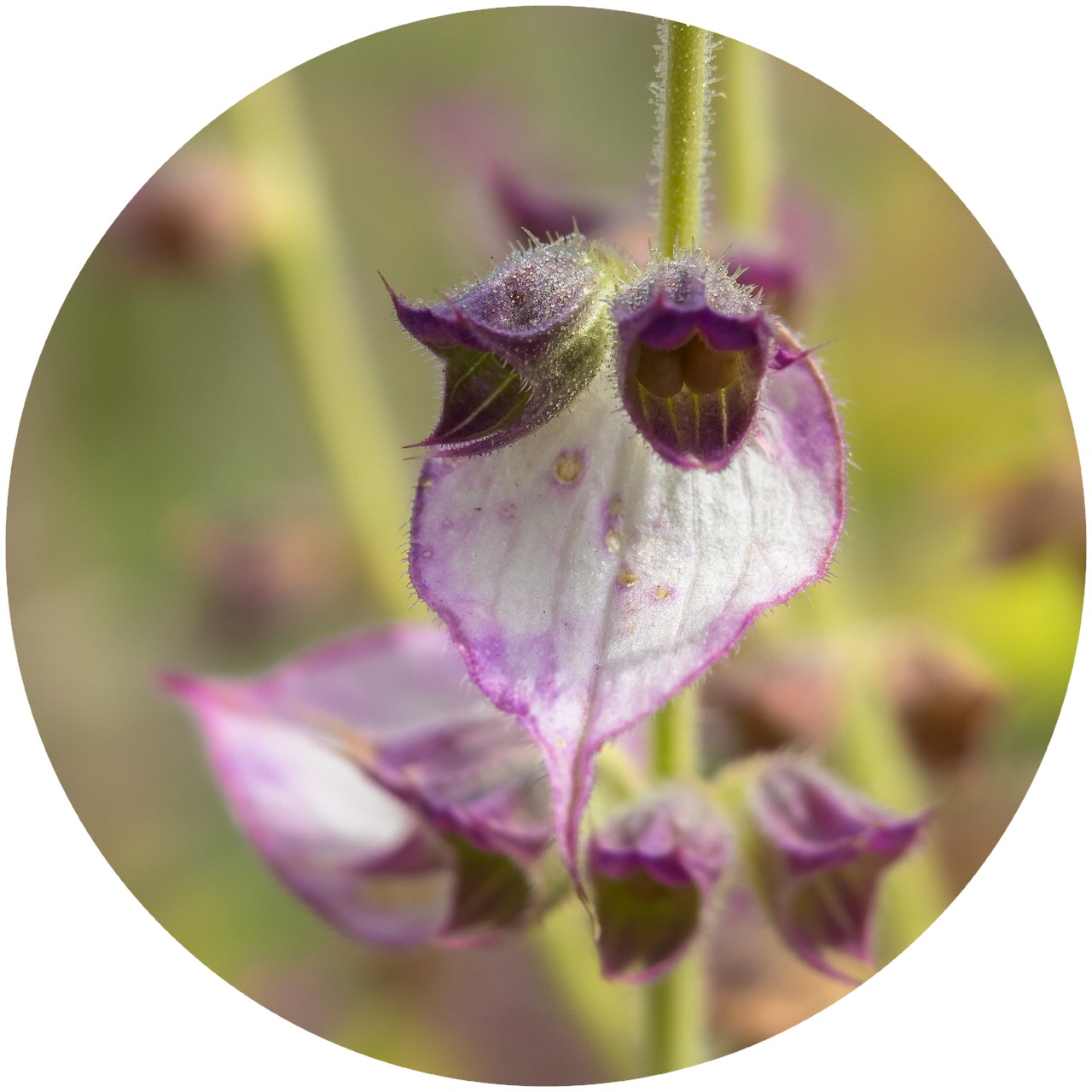
- Clary Sage
- Clary sage strengthens the skin while balancing excess sebum. It calms and rejuvenates the skin in a manner similar to lavender but it does not contain lavender’s potentially overpowering scent or some of the potential skin irritants within lavender. It contains linalyl acetate, an anti-inflammatory that heals skin irritation.[30]
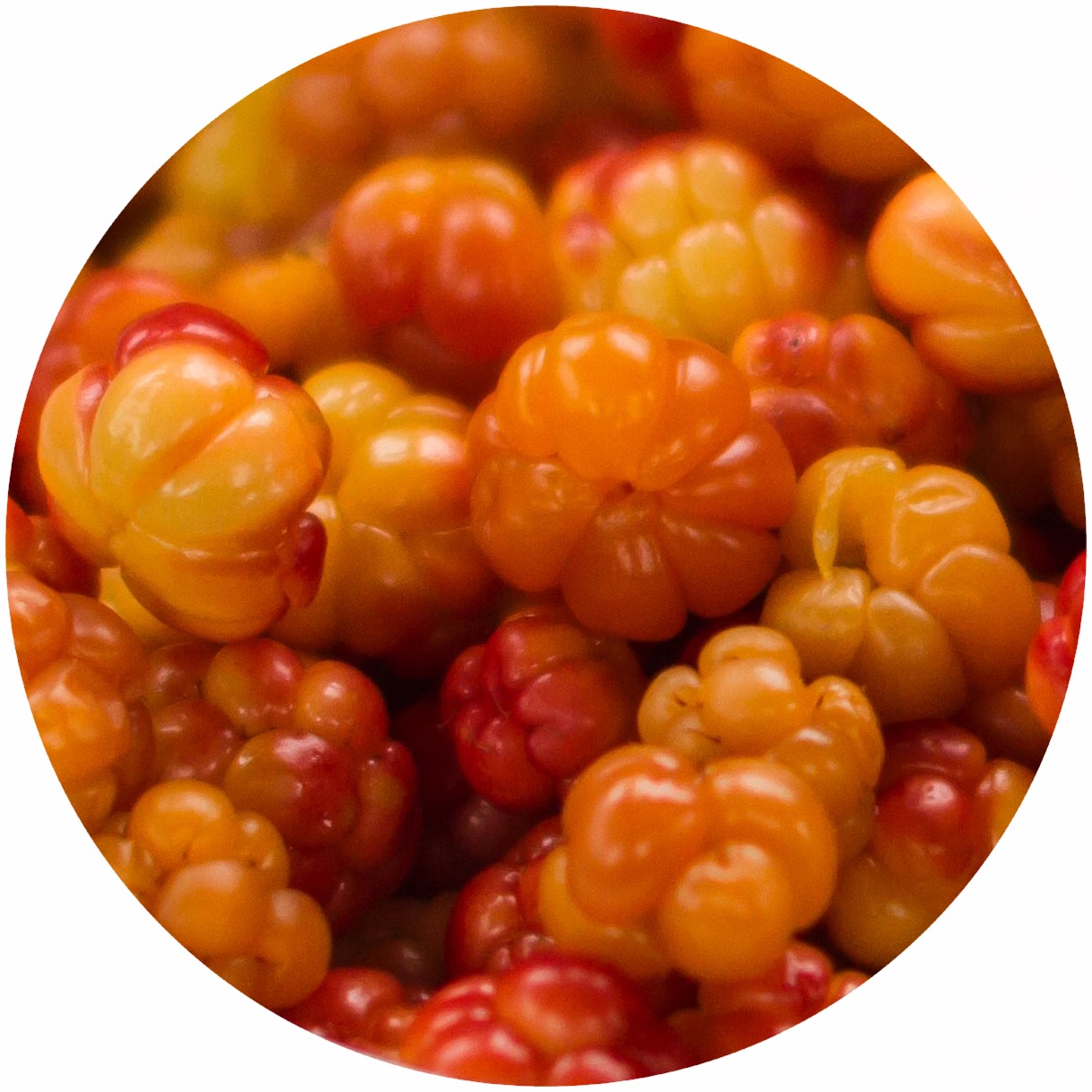
- Cloudberry
- Cloudberries are a rare nordic berry.
- Cloudberries are rich in Polyphenol extracts, Omegas 3 and 6, and Vitamin E and C. [31] Cloudberry contains four times more Vitamin C than an orange. Cloudberry builds collagen, fights off attacks on collagen, reduces wrinkles and hydrates. It is well suited for sensitive skin or even skin conditions like eczema.
-
REFERENCES
- Lguillier, Teddy et al. “The Wound Healing and Antibacterial Activity of Five Ethnomedical Calophyllum inophyllum Oils: An Alternative Therapeutic Strategy to Treat Infected Wounds. “ PLos vol. 10,9 e0138602. 25 Sep. 2015
- Jung, E. et al. Effect of Camellia japonica oil on human type I procollagen production and skin barrier function. Journal of ethnopharmacology 112.1, 127-131 (2007)
- Food and Chemical Toxicology, January 2000, issue 1, pages 79-96
- Cannabis and Cannabinoid Research, June 2017, pages 139-154
- Hay IC, Jamieson M, Ormerod AD. “Randomized trial of aromatherapy. Successful treatment for alopecia areata.” Arch Dermatol. 1998;134(11):1349-1352. doi:10.1001/archderm.134.11.1349
- International Journal of Cosmetic Science, February 2015, pages 456-463
- Naveed, Akhtar & Zaman, Shahiq uz & Khan, Barkat & Khan, Haji M. shoaib & Ahmad, Mahmood & Rasool, Fatima & Mahmood, Tariq & Rasul, Akhtar. (2011). Evaluation of various functional skin parameters using a topical cream of Calendula officinalis extract. African journal of pharmacy and pharmacology. 5. 199-206
- Fitton JH, Dellâ-Acqua G, Gardiner V-A, Karpiniec SS, Stringer DN, Davis E. Topical Benefits of Two Fucoidan-Rich Extracts from Marine Macroalgae. Cosmetics. 2015; 2(2):66-81.
- Camera E., Mastrofrancesco A., Fabbri C., Daubrawa F., Picardo M., Sies H., Stahl W. Astaxanthin, canthaxanthin and beta-carotene differently affect UVA-induced oxidative damage and expression of oxidative stress-responsive enzymes. Exp. Dermatol. 2009;18:222-231. doi: 10.1111/j.1600-0625.2008.00790.x.
- Gohil, Kashmira J et al. “Pharmacological Review on Centella asiatica: A Potential Herbal Cure-all. “Indian journal of pharmaceutical sciences” vol. 72,5 (2010): 546-56. doi:10.4103/0250-474X.78519
- Burnett, Christina L et al. “Safety Assessment of Ceramides as Used in Cosmetics.” International journal of toxicology vol. 39,3_suppl (2020): 5S-25S. doi:10.1177/1091581820958692
- Skin Pharmacology and Physiology, 2016, pages 135-147
- Panossian, Alexander, and Georg Wikman. “Effects of Adaptogens on the Central Nervous System and the Molecular Mechanisms Associated with Their Stress-Protective Activity.” Pharmaceuticals (Basel, Switzerland) vol. 3,1 188-224. 19 Jan. 2010, doi:10.3390/ph3010188
- Gupta, Mrinal et al. “Zinc therapy in dermatology: a review. ” Dermatology research and practice vol. 2014 (2014): 709152. doi:10.1155/2014/709152
- Journal of Clinical and Aesthetic Dermatology, January 2009, pages 404
- Ibid
- Merfort I, Heilmann J, Hagedorn-Leweke U, Lippold BC. In vivo skin penetration studies of camomile flavones. Pharmazie. 1994;49(7):509-511.
- Hou M, Sun R, Hupe M, et al. Topical apigenin improves epidermal permeability barrier homoeostasis in normal murine skin by divergent mechanisms. Exp Dermatol. 2013;22(3):210–215. doi:10.1111/exd.12102
- Journal of Clinical and Aesthetic Dermatology, January 2009, pages 404
- Srivastava, Janmejai K et al. “Chamomile: A herbal medicine of the past with bright future.” Molecular medicine reports vol. 3,6 (2010): 895-901. doi:10.3892/mmr.2010.377
- Srivastava, Janmejai K, and Sanjay Gupta. “Extraction, Characterization, Stability and Biological Activity of Flavonoids Isolated from Chamomile Flowers.” Molecular and cellular pharmacology vol. 1,3 (2009): 138. doi:10.4255/mcpharmacol.09.18
- Jiang, Development, Pharmaceutical biology
- Veerasophon, Jinmica, et al. “Formulation of anti-acne concealer containing cinnamon oil with antimicrobial activity against Propionibacterium acnes.” Journal of advanced pharmaceutical technology & research vol. 11,2 (2020): 53-58.
- Julianti, Elin et al. “Antibacterial Activity of Ethanolic Extract of Cinnamon Bark, Honey, and Their Combination Effects against Acne-Causing Bacteria.†Scientia pharmaceutica vol. 85,2 19. 11 Apr. 2017
- Ferro, Thiago A F et al. “Topical Application of Cinnamaldehyde Promotes Faster Healing of Skin Wounds Infected with Pseudomonas aeruginosa.†Molecules (Basel, Switzerland)vol. 24,8 1627. 25 Apr. 2019, doi:10.3390/molecules24081627
- Man, Adrian et al. “Antimicrobial Activity of Six Essential Oils Against a Group of Human Pathogens: A Comparative Study”. Pathogens (Basel, Switzerland) vol. 8,1 15. 28 Jan. 2019, doi:10.3390/pathogens8010015
- Anil Kumar Maurya, et al, “The essential oil from Citrus limetta Risso peels alleviates skin inflammation: In-vitro and in-vivo study”, Journal of Ethnopharmacology, Volume 212, 2018, Pages 86-94
- Hou, He-Shuai et al. “Extraction of essential oil from Citrus reticulate Blanco peel and its antibacterial activity against Cutibacterium acnes (formerly Propionibacterium acnes).” Heliyon vol. 5,12 e02947. 2 Dec. 2019, doi:10.1016/j.heliyon.2019.e02947
- de Cássia da Silveira E Sá, Rita et al. “Analgesic-Like Activity of Essential Oil Constituents: An Update.” International journal of molecular sciences vol. 18,12 2392. 9 Dec. 2017, doi:10.3390/ijms18122392
- Peana, A T et al. “Anti-inflammatory activity of linalool and linalyl acetate constituents of essential oils.” Phytomedicine : international journal of phytotherapy and phytopharmacology vol. 9,8 (2002): 721-6. doi:10.1078/094471102321621322
- Journal of Clinical and Aesthetic Dermatology, January 2009, pages 36-B (2003). “Rubus chamaemorusL. – a boreal plant rich in biologically active metabolites: a review”. Biological Letters. 40 (1): 3-13.
Clary Sage
Cloudberries