• Ingredient Glossary & Guides
    • The Best Beauty Ingredients You Will Love Glossary Guide
    • Skincare Ingredient Guides
  • Beauty
    • Better Beauty Sleep
    • Beauty Expert Advice
    • Clean Beauty
    • Cosmetics
    • How to…
    • Discontinued Clinique
    • Makeup Tools & Brushes
    • Science of Beauty
  • Haircare
    • Hair Growth
    • Hair Growth Devices
    • Hair Maintenance Products
    • Hair Styling Tools
    • Haircare Tools
  • Skincare
    • Adult Acne
    • Anti-Aging
    • Skin Devices & Topicals
    • Skin Tools & Devices
    • Science of Skincare
    • Waterless Beauty
  • Contact
  • About
    • About Our Features: How Our Product Reviews are Unique
    • Disclaimer
    • Disclosures
    • Privacy Policy
    • Terms of Use

Style Chicks

Expert Beauty Reviews | Skincare Ingredient Guides

You are here: Home / Archives for Ingredient Guides

Black Cumin Seed Oil: How to Get Hair Growth Benefits

April 6, 2021 · Leave a Comment

Black Seed Oil, also known as Black Cumin Seed Oil, is an excellent hair conditioning and hair growth remedy. It also has skincare benefits.
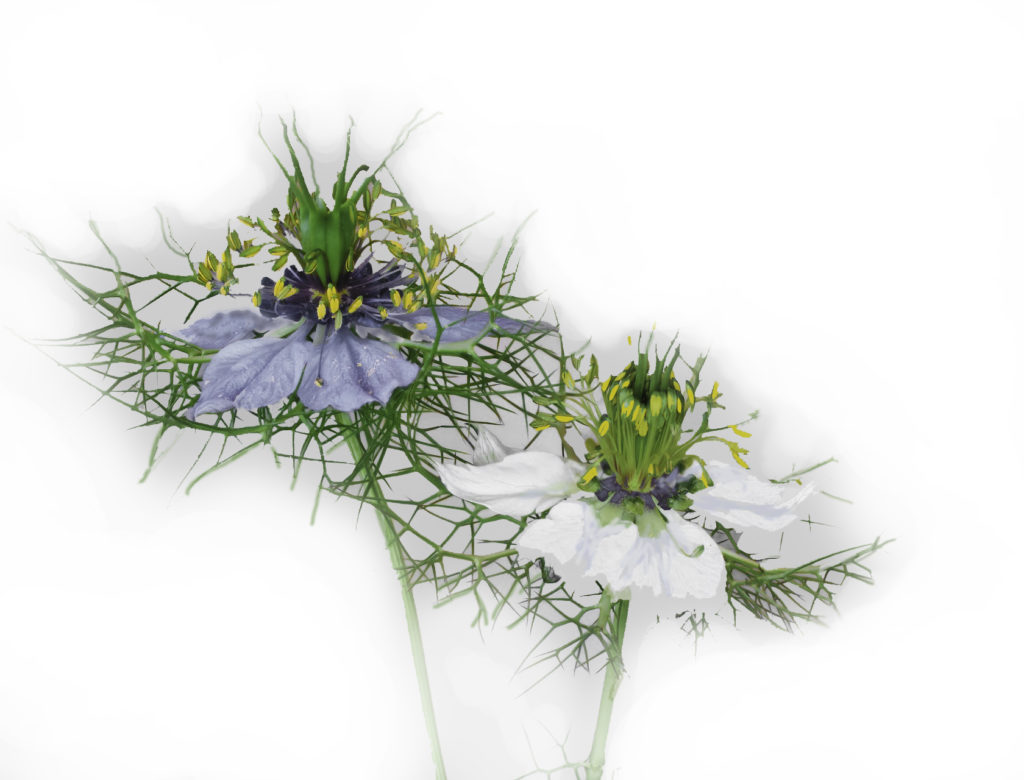
Black Cumin Seed Oil comes from the seeds of this flower

Black Cumin Seed Oil comes from the seeds of this Nigella sativa flower

What is Black Cumin Seed Oil?

Black Seed Oil comes from the Virgin in the green flower.

Rich in fatty amino acids, Black Seed Oil is moisturizing to the skin and hair. It makes an excellent scalp treatment.

  • It is an anti-inflammatory that soothes chronic skin conditions such as eczema and psoriasis.
  • The fatty amino acids make the skin glow and give hair a natural shine.

Black Cumin Seed Oil Benefits
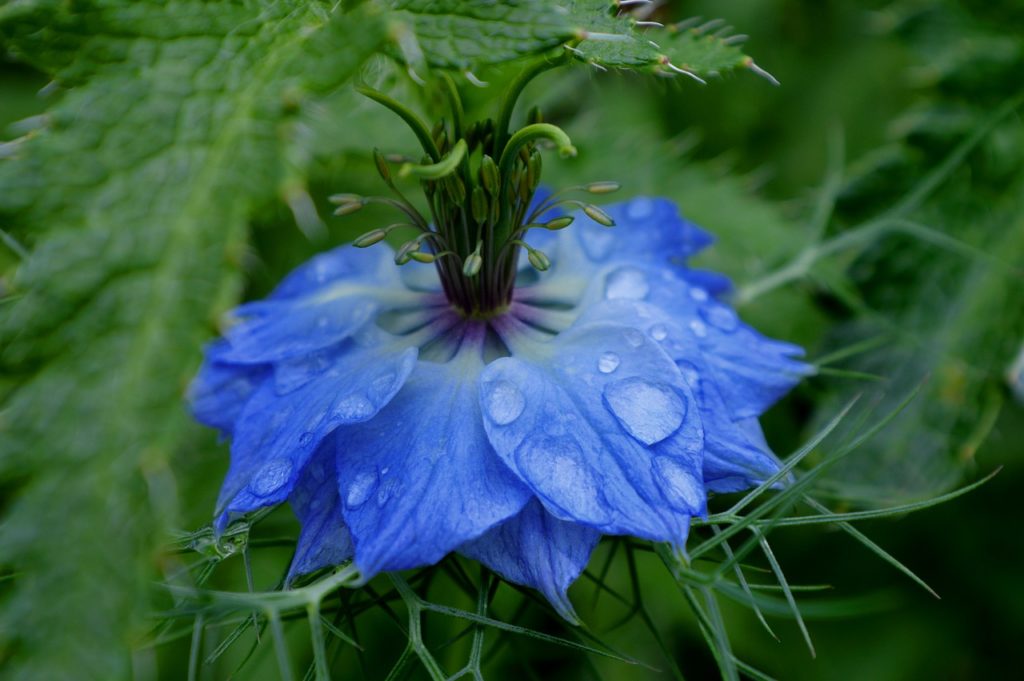
Black Seed Oil comes from seeds of the virgin on the green flower

Hair enhancing Black Seed Oil comes from the seeds of Nigella sativa

Black Cumin Seed Oil or Black Seed Oil:

  • comes from the seeds of the Nigella sativa, commonly called virgin in the green flower.
  • is also known as Black Cumin Seed Oil
  • works well with other ingredients to provide therapeutic effects.
  • is an antibacterial, antifungal, anti-inflammatory, and antioxidant oil
  • Black seeds and their oil have a long history of traditional medicine use in Indian and Arabian civilizations.

Why Use Black Cumin Seed Oil as a Scalp Treatment

For scalp care, Black Seed Oil contains Thymoquinone. This is an excellent antibacterial, antifungal, anti-inflammatory, and antioxidant.

Black Cumin Seed Oil makes for an excellent scalp treatment. It hydrates the scalp to keep it in optimal condition for growing healthy hair.

Black Cumin Seed Oil also combats scalp conditions such as dandruff, psoriasis, and other skin conditions [1] that can impair healthy hair growth.

How to Use Black Cumin Seed Oil as a Scalp Treatment
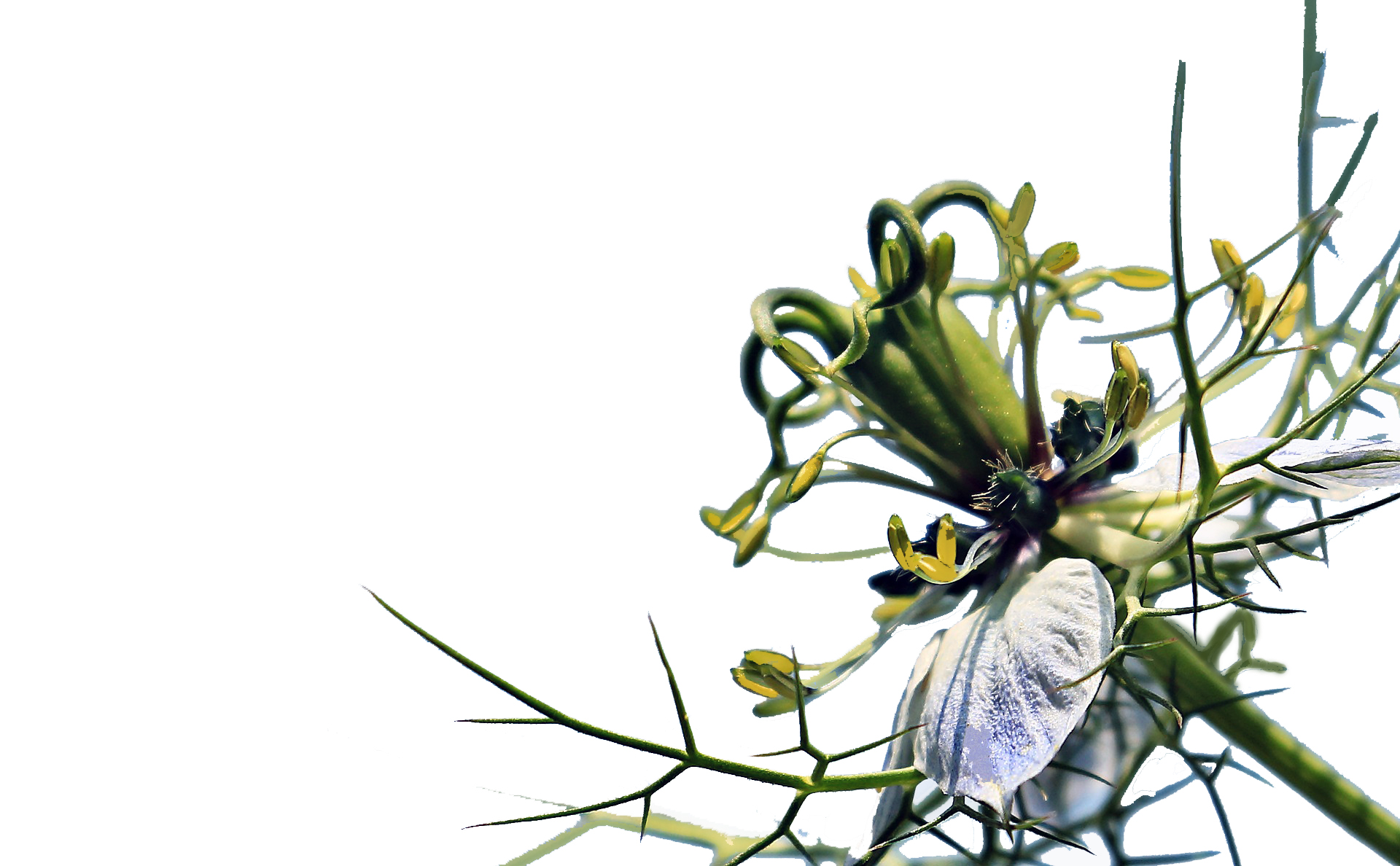
Virgin in the green

  1. Mix the oil with Coconut or Olive Oil, about a 50/50 ratio.
  2. The oil can be warmed and applied directly to the scalp with a cotton ball or nozzle applicator tip.
  3. Massage gently into the scalp in a circular motion.
  4. Leave the oil mixture in the hair for at least 30 minutes, but it can be left in for even a few hours.
  5. Wash with a mild shampoo.

Can Black Cumin Seed Oil Cause HAIR GROWTH?

You may have heard about this oil as a hair growth remedy. This is the case for certain types of hair growth.

Medical research studies of Telogen effluvium hair loss show topical Black Seed Oil application reduces temporary hair loss. [2]

Black Cumin Seed Oil does not directly stimulate hair growth in those within normal, healthy hair growth. But it does enable the keeping maximum hair length by combatting hair brittleness.

Hair breakage can give the appearance of slower hair growth when the hair breaks as fast or faster than it grows. By stopping hair breakage, hair retains healthy length.

It works well with other ingredients to provide therapeutic effects. It is synergistic with other humectant and moisturizing ingredients to lock moisture into the hair. Hydrated hair is more elastic and resilient to breakage than brittle hair.
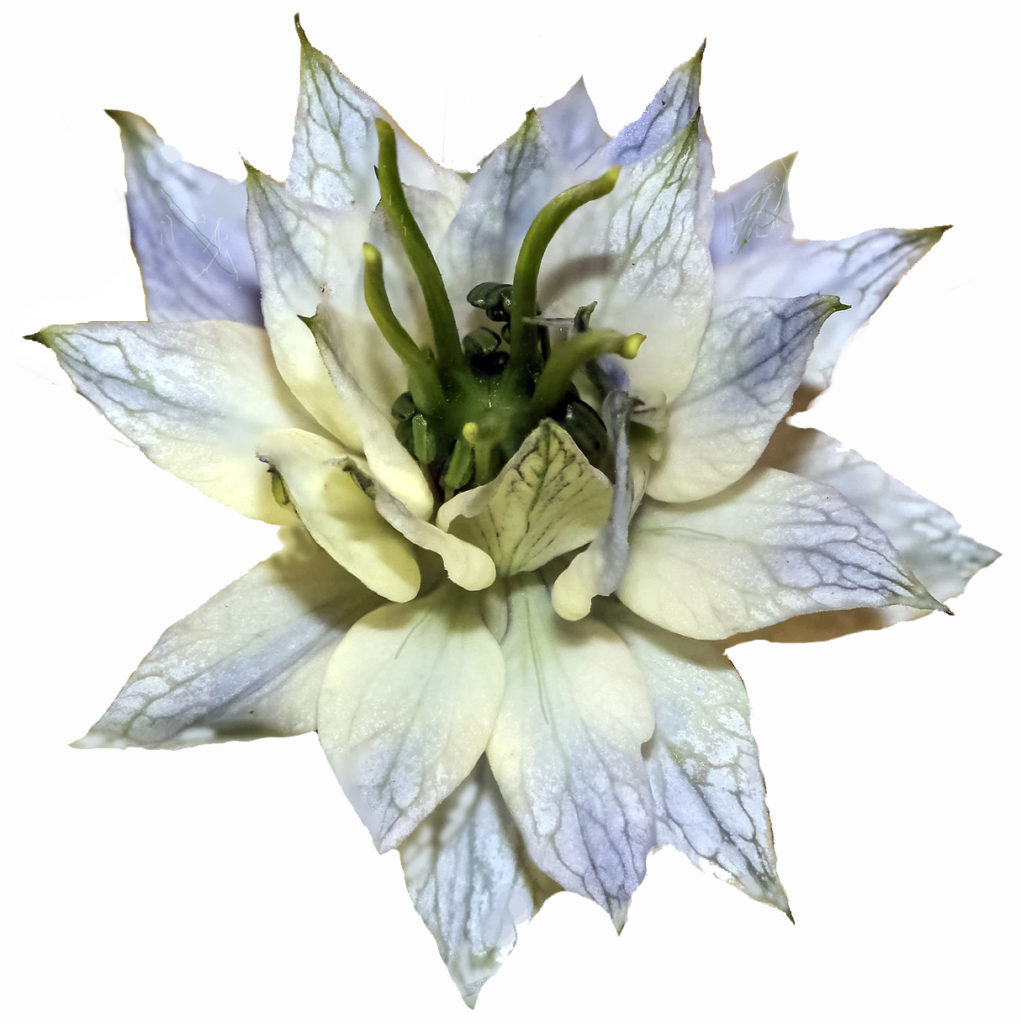
Black Cumin Seed Oil comes from the seeds of this flower

Black Cumin Seed Oil from the seeds of this flower is an excellent scalp treatment

How to Use Black Cumin Seed Oil for Conditioning Brittle Hair

  1. Mix Black Seed oil with Coconut or Olive Oil, about a 50/50 ratio.
  2. This mix can be warmed and applied to the lengths of the hair with or without a scalp treatment.
  3. Smooth the oil onto the hair with the palms of the hands, do not rub.
  4. Squeeze in extra onto the hair ends and damaged sections.
  5. It can also be added to your favorite hair conditioner to make a hair masque.
  6. Leave the mix in the hair for an hour before rinsing.
  7. The advantage of mixing the oil into a cream conditioner is it is far easier to rinse from the hair without excessive shampooing or leaving a residue.
  8. If possible, allow hair to dry within a towel or on a cool air setting to retain the moisture.

Ingredient GUIDES:

Find more hair-friendly ingredients in the Style Chicks Defining Beauty Glossary. The Defining Beauty Glossary contains many helpful ingredients for hair and skin care.


References

  1. Salih H.M. Aljabre, et al. Dermatological effects of Nigella sativa, Journal of Dermatology & Dermatologic Surgery, Volume 19, Issue 2, 2015, Pages 92-98, ISSN 2352-2410, https://doi.org/10.1016/j.jdds.2015.04.002.
  2. A. Rossi, L. Priolo, A. Iorio, E. Vescarelli, M. Gerardi, D. Campo, D. Nunno, S. Ceccarelli, S. Calvieri, A. Angeloni and C. Marchese, “Evaluation of a Therapeutic Alternative for Telogen Effluvium: A Pilot Study, Journal of Cosmetics, Dermatological Sciences and Applications, Vol. 3 No. 3A, 2013, pp. 9-16. doi:10.4236/jcdsa.2013.33A1002.

About This Post

The Style Chicks personally researches each ingredient we feature. Our research comes from respected, peer reviewed medical and scientific journals. All research articles are cited in the References section.

Posted by Style Chicks / Filed In: Ingredient Glossary, Ingredient Guides
Tagged: Black Cumin Seed Oil, Black Seed Oil, Hair Growth Oil, How to Use Black Seed Oil, Scalp Treatment

How to get Tea Tree Oil Benefits for Hair and Skin

January 21, 2021 · 1 Comment

Tea Tree Oil has beauty and health benefits that make it a powerful multi-tasker in your beauty arsenal. Read this ingredient guide on How to get Tea Tree Oil Benefits for Hair and Skin.

The lovely Flowering Tea Tree source of Tea Tree Oil

The lovely Flowering Tea Tree, Melaleuca alternifolia

What is Tea Tree Oil?

Tea Tree leaves are crushed to obtain the oil. Melaleuca alternifolia, or tea tree, is not a source of green tea leaves. Tea tree oil is also called melaleuca oil. We use these terms interchangeably. This natural remedy oil has many useful applications. It is a potent essential oil and almost always requires dilution.

Here are ways to use Tea Tree Oil for scalp health, hair loss, acne, moisturizing skin and to prevent razor burn.

What are TEA TREE OIL Benefits for HAIR

Tea Tree Oil for Hair Growth

Melaleuca oil doesn’t directly cause hair growth, but it removes hair growth barriers. It induces hair growth by unclogging hair follicles and nourishing roots. It also helps prevent hair loss and hair fall.

To use Tea Tree Oil for hair growth, first choose a carrier oil. Jojoba, safflower, grapeseed, and almond are a good choices for hair and scalp care. Add a few drops of Melaleuca oil and massage it into the scalp. It should tingle, but not burn. Straight Tea Tree Oil is too potent for direct contact with the scalp.

When first using Tea Tree Oil, hair may seem a bit dry, this is normal until the scalp finds a balance. If hair seems dry, use less Tea Tree and focus the massage treatments directly on the scalp.

Tea Tree Oil for Dandruff

Melaleuca oil is useful on dandruff when used as a toner or by adding a few drops of melaleuca Oil in shampoo. It reduces dandruff severity, itchiness and greasiness. [1]

Tea Tree Oil comes from the Tea Tree

Flowering Tea Tree

TEA TREE OIL For SKIN CARE

Tea Tree Oil for Acne

Melaleuca oil contains terpinen-4-ol, which is an amazing antibacterial and antifungal.[2,3]

It is also a moisturizing toner, cleanser and astringent. It effectively treats acne and prevents future breakouts [4]. It is not drying like other acne-treating ingredients, so it is effective on sensitive skin and adult acne. It even treats cystic acne.

Melaleuca oil for acne is gentler than other remedies.[5] It does not irritate the skin, it stops breakouts. It does not preclude using anti-aging treatments on same areas.

How to Treat Acne with Tea Tree Oil

There are two ways to use Melaleuca oil for acne.

  1. The first way is to mix a ratio of 90% water to 10% Tea Tree Oil and dab it on the spot with a Q-tip or cotton ball, twice a day.
  2. The second way is to combine one teaspoon of Aloe Vera Gel with two drops of Melaleuca oil and apply the mixture to acne with a q-tip. Let it dry fully, wait a few minutes, and wash with warm water followed by moisturizer.

Melaleuca oil can gently treat acne breakouts but is gentler on the skin than benzoyl peroxide. It also heals while it treats so there is less dry, flaky, red skin after acne treatment.

Melaleuca oil for Dry Skin

Treat dry skin with Almond Oil and Melaleuca oil and gently massage it into skin ten minutes before bathing. It is also an excellent natural treatment for contact dermatitis [6] and psoriasis [7].

Melaleuca oil and Shaving

Melaleuca oil added to water can lather and used for shaving. It moisturizes the skin and can soothe the skin after waxing or threading. Melaleuca oil prevents razor irritation or a razor burn rash. Add Melaleuca oil to your regular shave cream, oil or soap to pre-empt the razor burn.

Other Benefits

  • Anti-inflammatory
  • Wound healing
  • Clears Nail infection
  • Natural (diluted) mouthwash
  • Use diluted as a wash to inhibit mold on fruit!!
Tea Tree plant offers many natural remedy benefits

Tea Tree plant offers many natural remedy benefits including an effective gentle acne treatment

About Ingredient Guides

Find more skin and hair-friendly ingredients in the Style Chicks Defining Beauty Glossary The Defining Beauty Glossary contains many helpful ingredients for hair and skin care.

And stay tuned for other Style Chicks Ingredient Overviews


QUESTIONS?
COMMENTS?

Have any comments or questions?

The Style Chicks are here to answer them.

Leave a comment or Email Us


References

  1. Satchell AC, Saurajen A, Bell C, Barnetson RS. Treatment of dandruff with 5% tea tree oil shampoo. J Am Acad Dermatol. 2002 Dec;47(6):852-5. doi: 10.1067/mjd.2002.122734. PMID: 12451368.
  2. Carson CF, Hammer KA, Riley TV. Melaleuca alternifolia (Tea Tree) oil: a review of antimicrobial and other medicinal properties. Clin Microbiol Rev. 2006 Jan;19(1):50-62. doi: 10.1128/CMR.19.1.50-62.2006. PMID: 16418522; PMCID: PMC1360273.
  3. Li WR, Li HL, Shi QS, Sun TL, Xie XB, Song B, Huang XM. The dynamics and mechanism of the antimicrobial activity of tea tree oil against bacteria and fungi. Appl Microbiol Biotechnol. 2016 Oct;100(20):8865-75. doi: 10.1007/s00253-016-7692-4. Epub 2016 Jul 7. Erratum in: Appl Microbiol Biotechnol. 2017 Mar;101(5):2201. PMID: 27388769.
  4. Bassett IB, Pannowitz DL, Barnetson RS. A comparative study of tea-tree oil versus benzoylperoxide in the treatment of acne. Med J Aust. 1990 Oct 15;153(8):455-8. PMID: 2145499.
  5. Ibid
  6. Wallengren J. Tea tree oil attenuates experimental contact dermatitis. Arch Dermatol Res. 2011 Jul;303(5):333-8. doi: 10.1007/s00403-010-1083-y. Epub 2010 Sep 24. PMID: 20865268.
  7. Pazyar N, Yaghoobi R. Tea tree oil as a novel antipsoriasis weapon. Skin Pharmacol Physiol. 2012;25(3):162-3. doi: 10.1159/000337936. Epub 2012 Apr 3. PMID: 22473218.

About This Post

The Style Chicks personally researches each ingredient we feature. Our research comes from respected, peer reviewed medical and scientific journals.

Posted by Style Chicks / Filed In: Essential Oils, Ingredient Guides
Tagged: How to use Tea Tree Oil, melaleuca oil, Tea tree for Acne, TEA TREE OIL

Camellia Japonica Oil Tsubaki How to Best Use

December 21, 2020 · Leave a Comment

INGREDIENT GUIDE: How to Best use Camellia Japonica Oil for hair and skin benefits. This guide answers these FAQ about Tsubaki Camellia Japonica Oil:

  • How to Find Authentic Tsubaki?
  • How to Use Camellia Japonica Oil on the Hair
  • How to Use Camellia Japonica on the Skin
  • What are Camellia Japonica Oil benefits?

Learn about how to best use Camellia Japonica Oil, a prized ancient beauty secret weapon for lush, sleek hair and dewy, youthful skin.


What is Camellia Japonica Oil?

Camellia Japonica Oil is also called:

  • Japanese Camellia
  • common camellia
  • Tsubaki Camellia
  • Tsubaki

Tsubaki Camellia is the authentic Japanese Camellia. It is used in skincare brands such as Tatcha, Shiseido, and SK-II.

Tsubaki the Beauty Secret

Camellia Japonica Oil is originally known as a prized, ancient Japanese beauty secret.

In the original writings and texts about traditional use, Camellia Japonica Oil is often referred to as Tsubaki.

Geishas used Tsubaki Camellia to get silky, shiny hair. They also used it for luminous, youthful, soft skin.

Where Does Camellia Japonica Oil come from?

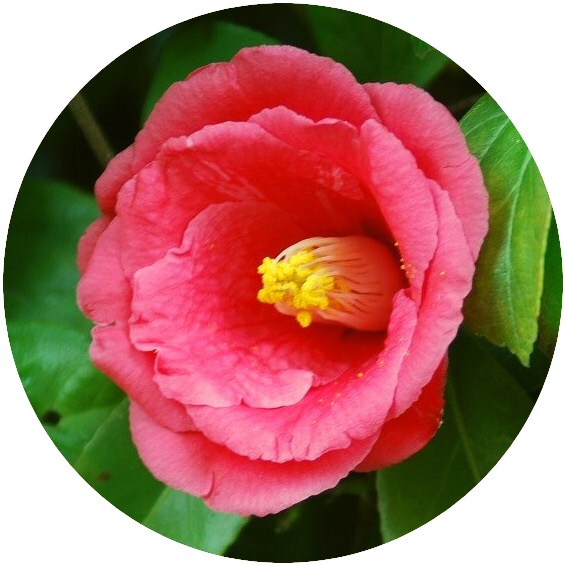
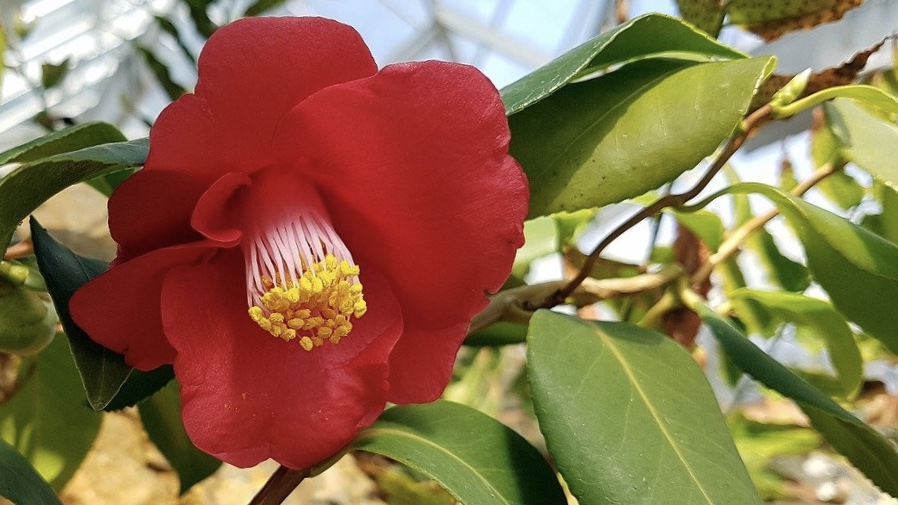
Camellia Japonica oil is cold-pressed from the seeds of this lovely bloom.

Camellia Japonica Oil is effective at transdermal collagen and elastin delivery. This means it helps get collagen and elastin building nutrients where they need to go in the skin to look firmer.

Why We Love Camellia Japonica Oil

All camellia oil types benefit the skin, but Camellia Japonica oil has the most benefits.

An excellent antioxidant and moisturizer, Camellia Japonica oil is rich in oleic acid, better known as Omega 9.  Omega 9 helps the skin retain hydration.

Camellia japonica oil also contains polyphenols, vitamins A, D, C, and E.

This non-comedogenic oil promotes skin elasticity.[1]

Choose cold-pressed whenever possible.

What Does Camellia Japonica Oil Look like?

Camellia Japonica is a pale golden lightweight oil.  It is similar to a hemi-squalene in its’ consistency. Because it feels light, it is easy to over-apply.

TIP: Only use a few drops and warm it in your hands before application. Pat, don’t rub onto skin.

It is a non-greasy and an excellent moisturizer but less is more when using authentic Japanese Camellia.

Tsubaki Camellia works wonders on dry, flat, dull hair. The fatty acids quickly absorb into the hair.

One bottle should last for quite some time. It only takes a few drops.

How to Find Authentic Tsubaki Camellia Japonica oil

Authentic Camellia Japonica oil is elusive to procure but worth the effort. There are three kinds of camellia oil. All three benefit the skin, but authentic Tsubaki will only appear on the product ingredient label as Tsubaki or Tsubaki Camellia but more often as Camellia Japonica Oil or Japanese Camellia.

The following are skin-enhancing Camellia Oils, but not the authentic Tsubaki you want for the most skin benefits:

  • Camellia Oleifera Seed Oil smooths rough skin patches and repairs the skin barrier. It also smoothes hair in a conditioner or leave-in serum.
  • Camelia Sinensis is the leaves of green and white tea. It is an anti-inflammatory anti-oxidant with EGCG. EGCG enables the production of new cells in the epidermis [2].  Impressive, but not the collagen and elastin production powerhouse of genuine Camellia Japonica Oil.

Once you have procured authentic Tsubaki, here is how to use it on skin and hair:

How to Use Camellia Japonica Oil on the Hair

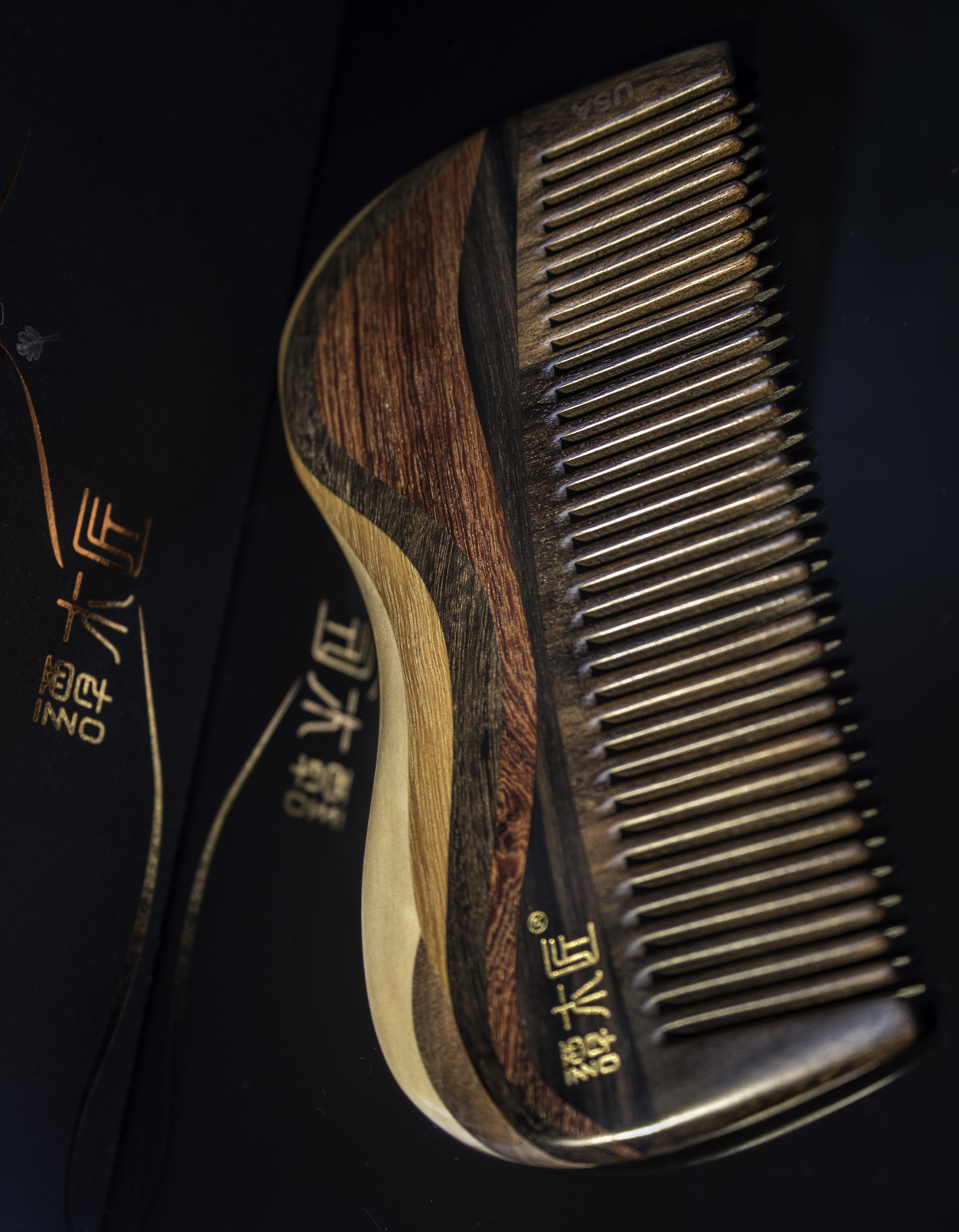
A wood comb helps distribute the oil without snagging hair

A wood comb helps distribute the Tsubaki oil without snagging hair

Tsubaki can be applied to wet or dry hair to serve as a conditioning treatment or styling agent.

It is traditionally distributed through the hair with a Tsuge wooden comb.

As seen in the photo, there are no sharp edges that can snag or damage the hair.

Tsubaki oil also conditions the wood, giving it a beautiful luster and depth to the grain.

How to Use Camellia Japonica Oil Leave-In Hair Treatment

  1. For leave-in hair treatments, apply the oil to wet hair after washing.
  2. Allow hair to dry wrapped in a towel or air dry as much as possible.
  3. Comb after drying to distribute the oil.

Tsubaki Camellia for Hair Shine and Finishing

Tsubaki Camellia can be used on dry hair as a finishing treatment. It creates a lovely high sheen.

  1. Our best tip for finishing hair with Tsubaki is to start with the least amount of oil you can dispense from the bottle.
  2. Dispense just a few drops, even for long hair.
  3. Always warm Japanese Camellia Japonica oil between the palms.
  4. Spread on dry hair using the palm of the hands.
  5. Concentrate on the dry ends of the hair.
  6. Comb through with a Tsuge wooden comb if possible.
  7. The comb will transfer the oils to the rest of the hair to evenly distribute.
  8. Only add more Tsubaki as needed. Very little Camellia Japonica oil goes a long way.  A dropper full is way too much.
  9. Practice and count how many drops you dispense to hone your ideal amount for the next use.

Tsubaki creates a lovely healthy sheen to the hair while providing conditioning benefits.

How to Use Camellia Japonica on the Skin

Care of the skin was a ritual with this ancient beauty secret: none of the rubbing, scrubbing, or squeezing we tend to subject our skin to today.

The skin was treated like an inherited gift that required the investment of time and effort to care for the skin, especially on face, throat, décolletage and hands.

Camellia japonica is a highly moisturizing and anti-aging skincare oil

Camellia japonica oil is a highly moisturizing and anti-aging skincare oil

  • Camellia oil absorbs very quickly.
  • It permeates deep into lower layers of skin
  • it promotes cell growth
  • it gives the skin support and flexibility

HOW TO APPLY CAMELLIA JAPONICA OIL TO SKIN

  1. Dispense a few drops of oil, rub your palms together.
  2. PAT the oil over your face and neck, don’t rub!
  3. Spread the oil in small circular motions in a gentle massage until it is absorbed.

It can be applied directly to a pimple, wrinkles, and crow’s feet.  Camellia Japonica Oil can be used to treat eczema and dry patches.

Rice Bran Oil and Tsubaki

These oils are both wonderful for hair and skin but they work better when not mixed together.  Apply Tsubaki first and allow it ample time to absorb. Follow with Rice Bran Oil if desired.

Camellia Japonica Benefits

Camellia Japonica

Camellia Japonica Oil is extracted from the seeds of this lovely bloom. Camellia Japonica means shiny green leaf, denoting its’ foliage.

Tsubaki is:

  • the authentic form of oil traditionally used as a beauty secret of Geishas.
  • suitable for hair and skin
  • anti-oxidant
  • moisturizing
  • rich in skin-hydrating fatty acid Omega 9
  • restores bounce and elasticity to the skin
  • contains polyphenols, Vitamins A, D, C, and E
  • non-comedogenic
  • promotes collagen and elastin production
  • non-greasy
  • fast-absorbing

References

  1. Jung, E. et al. Effect of Camellia japonica oil on human type I procollagen production and skin barrier function. Journal of ethnopharmacology 112.1, 127-131 (2007)
  2. Food and Chemical Toxicology, January 2000, issue 1, pages 79-96

Posted by Style Chicks / Filed In: How to..., Ingredient Guides
Tagged: Camellia Japonica, Camellia Japonica Oil, How to Use Camellia Japonica in the Hair, Tsubaki

How to Best Use Mandelic Acid for Skincare Benefits

December 10, 2020 · 1 Comment

SKINCARE GUIDE for Mandelic Acid. What it is and how to use it.

Mandelic Acid is an ingredient worthy of your attention. It gets the results of a robust acid but with little to no skin irritation.

Got acne? Meet Mandelic Acid

Acne is the most common skin condition in the United States. Retinol is often used as an acne remedy. 

But peeling acids are also promising acne and acne scar treatments.

WHAT IS MANDELIC ACID?

 It is a clean beauty “natural” acne fighter. It also fades discoloration from acne scars to age spots.

Mandelic acid is a natural ingredient that comes from bitter almonds

Mandelic acid is a natural ingredient extracted from bitter almonds

  • It is a very gentle AHA (Alpha Hydroxy Acid).
  • It penetrates the skin slowly, making it suitable for even sensitive skin.
  • While it is an “acid” it rarely causes skin irritation.
  • It is natural, clean, green, and skin-friendly.
  • it is useful in organic skin care product formulations.

HOW MANDELIC ACID WORKS: ACNE TO ANTI-AGING

Mandelic acid accelerates cell turnover by dissolving the tiny bonds that hold skin cells together. This microexfoliation accomplishes several skincare objectives.

ACNE

Is Mandelic Acid a good acne treatment?

Yes! Mandelic acid is useful in acne treatment.

  • It bacteria-trapping dead skin, which contributes to acne formation. Dead skin also dulls the complexion and makes fine lines look worse. Removing dead skin cells brightens the skin.
  • It is anti-bacterial
  • an anti-fungal
  • an anti-inflammatory
  • If you have adult acne, Mandelic acid is ideal to treat both acne and signs of skin aging. [1]

ANTI-AGING

What are the anti-aging benefits of Mandelic Acid?

It has acid several anti-aging skincare benefits. Mandelic acid is:

  • helpful for smoothing mesh-like pattern wrinkles
  • promotes collagen production. More collagen increases skin’s elasticity and youthful appearance. Collagen counteracts sun damage by smoothing and refining the skin surface. Sun damage is the largest cause of visible signs of aging.
  • reduces hyperpigmentation. It lightens acne scars, sun damage, and age spots.
  • gentle enough to use it daily.

MANDELIC ACID VS GLYCOLIC ACID

Not sure which aHa is best for your skin? Here is a pros and cons list of benefits.

Which is better Mandelic or glycolic acid?

Similarities

Both acids:

  • are highly effective at causing rapid cell turnover.
  • reveal younger, smoother, brighter skin.
  • dissolve the “glue” holding dead skin cells.
  • remove dead skin cells without forceful scrubbing.
  • are ideal for skin unable to tolerate harsh exfoliants.
Differences

A difference between the acids is that Mandelic has a larger molecular structure than glycolic acid.

  • Smaller molecular structures like Glycolic acid penetrates the skin faster and deeper. [2]
  • The larger molecular structure of Mandelic gets the job done, just more slowly than glycolic acid does.

If your skin gets irritated by Glycolic acid, Mandelic is an ideal option. It is kinder to the skin.

There is little to no irritation and redness with regular use. [3]


Mandelic acid definition on Stylechicks
MANDELIC ACID TIPS FOR BEST USE

  • Skin using any acid are more sensitive to light. Always wear sunscreen
  • To avoid irritation, choose products with 10% or less Mandelic Acid concentrations
  • Don’t mix with other actives including retinol or other aHas.

HYPERPIGMENTATION

What acid will work best for hyperpigmentation on my yellow-tone skin?

Some hyperpigmentation fading ingredients work best on pink undertone skin. Mandelic Acid works on the hyperpigmentation of all skin tone types.

How does it fix dark spots?

It inhibits melanin production in existing scars, age spots, and acne marks. [4]  This reduces hyperpigmentation of all types on all skin tones.

Summary

Mandelic Acid earns our “Holy Grail Ingredient” rating because it can:

  • reduce sun damage, acne, and hyperpigmentation.
  • gently exfoliate and improve skin texture. 
  • work on all skin tones and textures, including mature and sensitive skin.
  • It is also natural and suitable for organic product formulations.

It is a Style Chicks skincare superstar!

Mandelic Acid is a great addition to a natural ingredient, organic skin care plan.

a natural ingredient that comes from bitter Almonds

About Skincare Ingredient Guides

Was this Skincare Ingredient Guide helpful? Then you may like other Ingredient Guides such as:

  • Red Raspberry Seed Oil
  • Black Cumin Seed Oil
  • Rosehip Seed Oil

Find more natural ingredients in the Style Chicks Defining Beauty Glossary. The Defining Beauty Glossary contains many helpful hair and skin care ingredients plus skincare guides for best use and maximum benefits.

Want to know more about natural ingredients that support Collagen type III production? Read about Shisiedo’s Groundbreaking study in this article.

Thinking about jumping starting your collagen enhancement with an at-home skin device?

You may enjoy reading our interview with ENDYMED, the makers of the FDA-approved NEWA device in our article entitled “ENDYMED ANSWERS QUESTIONS ABOUT NEWA AT-HOME SKIN-TIGHTENING”


REFERENCES

  1. Debowska, Renata & Kaszuba, Aleksandra & Michalak, Iwona & Dzwiga‚owska, Agata & Cie›ci„ska, Czanita & Jakimiuk, El bieta & Zielia„ska, Joanna & Kaszuba, Andrzej. (2015). Evaluation of the efficacy and tolerability of mandelic acid-containing cosmetic formulations for acne skin care. Dermatology Review. 4. 316-321. 10.5114/dr.2015.53419.
  2. Garg VK, Sinha S, Sarkar R. Glycolic acid peels versus salicylic-mandelic acid peels in active acne vulgaris and post-acne scarring and hyperpigmentation: A comparative study. Dermatol Surg 2009;35:59-65.
  3. Taylor MB. Summary of mandelic acid for the improvement of skin conditions. Cosmet Dermatol 1999;12:26-8
  4. Kessler E, Flanagan K, Chia C, Rogers C, Glaser DA. Comparison of alpha- and beta-hydroxy acid chemical peels in the treatment of mild to moderately severe facial acne vulgaris. Dermatol Surg 2008;34:45-50.

Posted by Style Chicks / Filed In: Ingredient Guides
Tagged: AHA, Anti-Aging, How best treat acne, Ingredient Overview, Mandelic Acid, mandelic skincare benefits, Skincare

  • Newer Entries
  • 1
  • …
  • 3
  • 4
  • 5
  • 6
  • 7
  • …
  • 9
  • Previous Entries

Search Style Chicks

Pages

  • About the Style Chicks
  • Contact Us
  • Discontinued Clinique Products Guide Lost Clinique You Love
  • The Best Beauty Ingredients You Will Love Glossary Guide

Review + Guide Topics

  • Accessories
  • Adult Acne
  • Anti-Aging
  • Beauty
  • Beauty Expert Advice
  • Beauty Tools + Devices
  • Better Beauty Sleep
  • Black Friday & Cyber Monday
  • Body
  • Clean Beauty
  • Cosmetics
  • Curly Hair Care
  • Decor
  • Discontinued Products
  • Entertaining
  • Essential Oils
  • Exercise
  • Fashion
  • Featured
  • Food
  • For the Home
  • Fragrance Free
  • Gadgets
  • Gifts
  • Green Beauty
  • Gym Beauty Bag
  • Hair
  • Hair Care Devices & Tools
  • Hair Growth
  • Hair Growth Devices
  • Haircare
  • Health
  • How to
  • How to…
  • Ingredient Glossary
  • Ingredient Guides
  • J-Beauty
  • Jewelry
  • K-Beauty
  • Life Hacks
  • Lifestyle
  • Makeup
  • Makeup Tools & Brushes
  • New Products
  • News
  • Organic
  • Pre-Shampoo Hair Treatments + Conditioning Remedies
  • Product Review
  • Product Updates
  • Science of Beauty
  • Science of Skincare
  • Sensitive Skin
  • Sephora
  • Shoes!
  • Skin Tools & Devices
  • Skincare
  • Spa Economy
  • Style
  • Tea
  • Technology
  • Things I want
  • Travel
  • Unscented
  • Vanity Table
  • Waterless Beauty
  • Weddings

Welcome to Style Chicks

Since 2007, we are your trusted source for expert hair and skincare reviews, in-depth ingredient guides, and info on hard-to-find and discontinued beauty products. Whether you're looking for smarter skincare choices, hair growth options, clean beauty cosmetics reviews, ingredient glossary, better beauty sleep, hair care tips, beauty how-to guides or trying to track down your holy grail favorite, we’ve got you covered.


Copyright © 2007 - 2025 STYLE CHICKS