• Ingredient Glossary & Guides
    • The Best Beauty Ingredients You Will Love Glossary Guide
    • Skincare Ingredient Guides
  • Beauty
    • Better Beauty Sleep
    • Beauty Expert Advice
    • Clean Beauty
    • Cosmetics
    • How to…
    • Discontinued Clinique
    • Makeup Tools & Brushes
    • Science of Beauty
  • Haircare
    • Hair Growth
    • Hair Growth Devices
    • Hair Maintenance Products
    • Hair Styling Tools
    • Haircare Tools
  • Skincare
    • Adult Acne
    • Anti-Aging
    • Skin Devices & Topicals
    • Skin Tools & Devices
    • Science of Skincare
    • Waterless Beauty
  • Contact
  • About
    • About Our Features: How Our Product Reviews are Unique
    • Disclaimer
    • Disclosures
    • Privacy Policy
    • Terms of Use

Style Chicks

Expert Beauty Reviews | Skincare Ingredient Guides

You are here: Home / Archives for Skincare / Ingredient Glossary

Ingredient Glossary

How to understand ingredients in haircare, skincare, and makeup. What ingredients are helpful and what ingredients are buzzwords or hype?

How to Use Tea Tree Oil for Skin and Hair

May 27, 2019 · 8 Comments

Tea Tree Oil is well known for its antiseptic, antibacterial, antivirus properties, as well as having a scent that repels mosquitos, Tea Tree Oil also has several beauty and health applications that make it a powerful multi-tasker in your beauty arsenal.

Here are ways to use Tea Tree Oil for scalp health, hair loss, acne, moisturizing skin and to prevent razor burn.
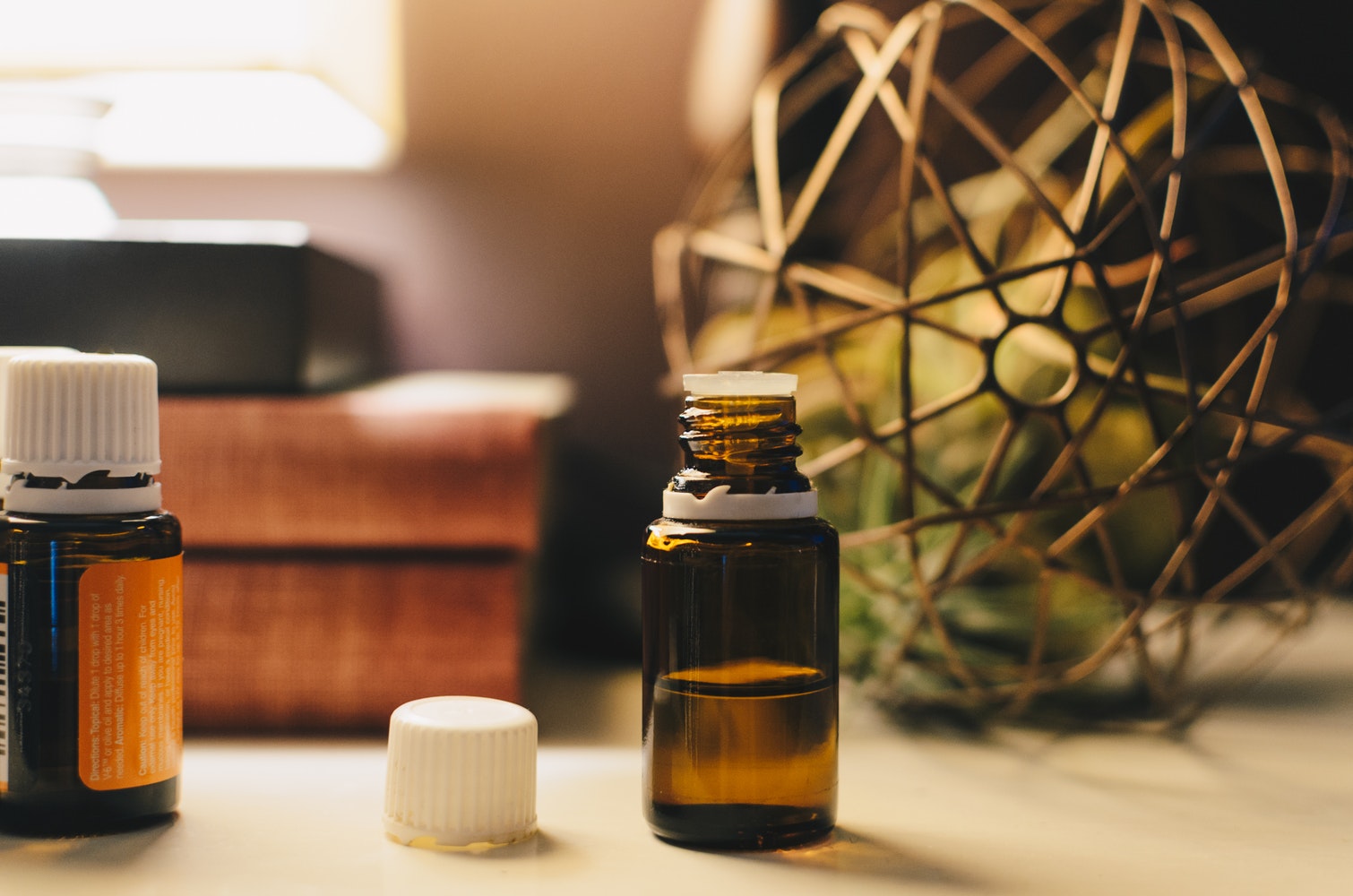
Why Tea Tree Oil belongs in your beauty arsenal

Why Tea Tree Oil belongs in your beauty arsenal

TEA TREE OIL & HAIR

Tea Tree Oil induces hair growth by unclogging hair follicles and nourishing roots. It also helps prevent hair loss and hair fall.

To use Tea Tree Oil for hair growth, first choose a carrier oil. Jojoba, safflower, grapeseed, and almond are a good choices for hair and scalp care. Add a few drops of tea tree oil, and massage it into the scalp. It should tingle, but not burn. Straight Tea Tree Oil is too potent for direct contact with the scalp.

When first using Tea Tree Oil, hair may seem a bit dry, this is normal until the scalp finds a balance. If hair seems dry, use less Tea Tree and focus the massage treatments directly on the scalp.

TEA TREE OIL AND SKIN CARE

Tea Tree Oil for acne is gentler than other remedies. It does not irritate the skin, it stops breakouts. It does not preclude using anti-aging treatments on same areas.

There are two ways to use Tea Tree Oil for acne.

The first way is to mix a ratio of 90% water to 10% Tea Tree Oil and dab it on the spot with a Q-tip or cotton ball, twice a day.

The second way is to combine one teaspoon of Aloe Vera Gel with two drops of Tea Tree Oil and apply the mixture to acne with a q-tip. Let it dry fully, wait a few minutes, and wash with warm water followed by moisturizer.

Tea Tree Oil can gently treat acne breakouts but is gentler on the skin than benzoyl peroxide. It also heals while it treats so there is less dry, flaky, red skin after acne treatment.

Treat dry skin with Almond Oil and Tea Tree Oil and gently massage it into skin ten minutes before bathing.

Tea tree oil added to water can lather and used for shaving. It moisturizes the skin and can soothe the skin after waxing or threading. Tea Tree Oil prevents razor irritation or a razor burn rash. Add Tea Tree Oil to your regular shave cream, oil or soap to pre-empt the razor burn.

Posted by Style Chicks / Filed In: Essential Oils, How to..., Ingredient Glossary, Ingredient Guides
Tagged: How to use Tea Tree Oil, stop razor burn., TEA TREE OIL, Tea Tree Oil for acne

How to Use AHA Glycolic Acid for Better Skin

February 23, 2017 · Leave a Comment

Glycolic Acid (AHA) is the covert operator of the Style Chicks’ Favorite Skincare Ingredients series because it gives suspiciously good, younger-than-expected skin results with virtually no downtime, skin flaking or peeling. Regular AHA peels reveal softer, younger skin with a refined texture, all while reducing pores,  fine lines, discoloration, brown spots & acne.

ABOUT GLYCOLIC ACID (AHA)

AHA (also known as Glycolic Acid) works in an unusual way: it loosens the glue that adheres dry, dead skin to healthy skin, and just dissolves away the dead skin. That means skin is left with little to no peeling or sloughing sections, and if done correctly; there is little in the way of dryness, redness or irritation after use. Skin is brighter, younger, softer, with few lines and wrinkles, and it glows like younger skin.

WHY WE LIKE IT

We prefer Glycolic Acid to other types of exfoliants because there is no rough, abrasive scrubbing involved. Scrubbing with or without harsh grains can tear and damage healthy skin. AHA gets the job done with no pulling, tugging, or tearing of the skin, which makes AHA particularly useful to those over 35 or for those with skin conditions such as acne or eczema.

With an AHA peel, there is almost never the uneven peeling that often comes with many chemical peels or scrubs, so there is less post-peel downtime with AHA. Skin is just soft and dewy looking, not red and irritated. While skin can get red and irritated from AHA, as long as it is done properly, irritation will be short-lived, so it makes for an excellent anti-aging product.

GLYCOLIC ACID IS ACNE’S DOWNFALL

As a side benefit, AHA banishes blackheads like nobody’s business. Those oil and sebum pockets just wither in the face of an AHA treatment. While a product like Avon’s Clinical ANEW is geared towards anti-aging measures, a side benefit of AHA use is how quickly stubborn nose blackheads purge from the skin.

WHO WOULD BENEFIT FROM AHA?

  1. Delicate and aging skin that benefits from not being pulled and scrubbed by abrasive exfoliants or dermabrasion treatments.
  2. Acne prone skin and skin with stubborn blackheads.
  3. Those who are on Vitamin C Serum and Retinol programs. These products cause newer, younger skin cells to be generated rapidly and require sloughing off the dead skin to be most effective.
  4. Many with eczema report that they can use Glycolic Acid. Talk to your dermatologist about precautions based on your personal skincare profile.

HOW TO USE GLYCOLIC ACID AT HOME

Super effective as an in-office treatment, AHA peels it can be safely done at home with serums under 30%. A 35% AHA is acceptable to use if it contains a deactivating or buffering agent, or it is diluted before application.

New to AHA? Stick with 10% and work your way up to higher concentrations. AHA concentration levels greater than 35% are readily available online, but only professionals should only use these strengths undiluted. Since such excellent results are obtainable with the regular use of lower concentration AHA, don’t be tempted into one “big” peel at a high concentration, it is more risk than benefit.

BEST USE TIPS:

  1. ALWAYS use sunscreen in the days after an AHA peel.
  2. Moisturize well, especially that evening before going to bed.
  3. Do an at-home peel serum at least monthly.
  4. Use only gentle facial cleansers for 24 hours after using AHA.
  5. Some light stinging is to be expected, but if your skin feels a burning sensation or hurts, wash the AHA off immediately.
  6. Apply evenly in a thin coat.

RECOMMENDED AHA GLYCOLIC PRODUCTS

Finding a reputable manufacturer is the primary concern when selecting Glycolic Acids. Choose an AHA designed for consumers, not professionals such as those marketed to a salon. Some Glycolic Acid products we have had success with include:

  • Serum Ceuticals AHA Pro Grade Glycolic: effective, all natural. We like this line because AHA doesn’t alter newer skin unless it irritates it with chemical additives, and this product has NO chemicals, just natural preservatives.
    • One of our fave go-to peels, it can be safely used on even delicate skin areas such as on fine lines around the upper lip.
    • Serum Ceuticals AHA comes in 10% and 35% concentrations.
    • If you use the 35% AHA, we highly recommend mixing the AHA liquid into a dollop of Beta Glucan cream and applying the mixture to the skin, then applying a layer of Beta Glucan afterward as a moisturizer to soothe the skin and reduce redness and irritation.
  • InstaNatural Glycolic Facial Peel: skin is instantly brighter when dead skin is swept away in less than a minute, no downtime.
    • Paired with Sunflower Oil, Vitamin C, and Hyaluronic Acid
    • While it does sting delicate areas, once you build a tolerance to the product, it can be used for 10-15 minutes for a highly effective peel. I especially like the acne eliminating properties of this peel.
  • Avon ANEW Clinical Retexturizing Peel: a whopping 35% AHA soaked pad that comes with a built-in deactivator and soothing Aloe Vera, so it is safe to use at home.
    • It stings a bit on sensitive areas at first, like a rubbing alcohol on a paper cut kind of sensation.
    • Particular effective on forehead wrinkles and “eleven lines.”
    • Use every other day for better texture and brighter skin.
    • ANEW Clinical is especially effective at reducing enlarged pores and eliminating blackheads
    • TIP: Try using the pads on tell-tale aged skin areas like hands and throat as well

Know of a Glycolic Peel AHA that should be included in this list? Contact us or comment below!

Posted by Style Chicks / Filed In: Beauty, Ingredient Glossary, Ingredient Guides, Skincare
Tagged: Acne, AHA, At Home SkinCare, Glycolic Acid, Peels, StyleChicks Favorite Skincare Ingredients Series, Wrinkle Treatment, Wrinkles

  • Newer Entries
  • 1
  • 2
  • 3

Search Style Chicks

Pages

  • About the Style Chicks
  • Contact Us
  • Discontinued Clinique Products Guide Lost Clinique You Love
  • The Best Beauty Ingredients You Will Love Glossary Guide

Review + Guide Topics

  • Accessories
  • Adult Acne
  • Anti-Aging
  • Beauty
  • Beauty Expert Advice
  • Beauty Tools + Devices
  • Better Beauty Sleep
  • Black Friday & Cyber Monday
  • Body
  • Clean Beauty
  • Cosmetics
  • Curly Hair Care
  • Decor
  • Discontinued Products
  • Entertaining
  • Essential Oils
  • Exercise
  • Fashion
  • Featured
  • Food
  • For the Home
  • Fragrance Free
  • Gadgets
  • Gifts
  • Green Beauty
  • Gym Beauty Bag
  • Hair
  • Hair Care Devices & Tools
  • Hair Growth
  • Hair Growth Devices
  • Haircare
  • Health
  • How to
  • How to…
  • Ingredient Glossary
  • Ingredient Guides
  • J-Beauty
  • Jewelry
  • K-Beauty
  • Life Hacks
  • Lifestyle
  • Makeup
  • Makeup Tools & Brushes
  • New Products
  • News
  • Organic
  • Pre-Shampoo Hair Treatments + Conditioning Remedies
  • Product Review
  • Product Updates
  • Science of Beauty
  • Science of Skincare
  • Sensitive Skin
  • Sephora
  • Shoes!
  • Skin Tools & Devices
  • Skincare
  • Spa Economy
  • Style
  • Tea
  • Technology
  • Things I want
  • Travel
  • Unscented
  • Vanity Table
  • Waterless Beauty
  • Weddings

Welcome to Style Chicks

Since 2007, we are your trusted source for expert hair and skincare reviews, in-depth ingredient guides, and info on hard-to-find and discontinued beauty products. Whether you're looking for smarter skincare choices, hair growth options, clean beauty cosmetics reviews, ingredient glossary, better beauty sleep, hair care tips, beauty how-to guides or trying to track down your holy grail favorite, we’ve got you covered.


Copyright © 2007 - 2025 STYLE CHICKS