• Ingredient Glossary & Guides
    • The Best Beauty Ingredients You Will Love Glossary Guide
    • Skincare Ingredient Guides
  • Beauty
    • Better Beauty Sleep
    • Beauty Expert Advice
    • Clean Beauty
    • Cosmetics
    • How to…
    • Discontinued Clinique
    • Makeup Tools & Brushes
    • Science of Beauty
  • Haircare
    • Hair Growth
    • Hair Growth Devices
    • Hair Maintenance Products
    • Hair Styling Tools
    • Haircare Tools
  • Skincare
    • Adult Acne
    • Anti-Aging
    • Skin Devices & Topicals
    • Skin Tools & Devices
    • Science of Skincare
    • Waterless Beauty
  • Contact
  • About
    • About Our Features: How Our Product Reviews are Unique
    • Disclaimer
    • Disclosures
    • Privacy Policy
    • Terms of Use

Style Chicks

Expert Beauty Reviews | Skincare Ingredient Guides

You are here: Home / Archives for Acne

Acne Skin Care


Acne skin care. How to treat adult acne, cystic acne. Best acne ingredients, vitamins, acne products. How to cleanse acne. Acne + anti-aging skin care. What skincare products to use and what ingredients to avoid in acne treatment.

Why Use beta Hydroxy Acids bHAs for Better Skin

October 26, 2024 · Leave a Comment

Beta Hydroxy Acids or bHAs, are less well-known than their aHA counterparts. But they are just as useful for treating several skin conditions. Beta Hydroxy Acids are excellent for reducing adult acne, enhancing gentle skin exfoliation, and correcting an uneven skin tone. Despite their prevalence in skincare formulations, many do not know how to get the most benefit from bHAs. Can bHA help your skin concerns? Discover more about how to use Beta Hydroxy Acids.

What are Beta Hydroxy Acids?

Beta-hydroxy acid (bHA) is a form of oil-soluble exfoliant which is derived from fruit, plant or milk sugars.

It is most commonly used in skincare to treat acne, fine lines and wrinkles, blackheads, dullness, and photoaging.

bHAs are often gentler than aHAs and have some extra anti-bacterial benefits.

How do Beta Hydroxy Acids Work?

As a general rule, bHAs are particularly good at clearing out a pore or deep cystic acne without excessive irritation to the surface of the skin.

BHAs are a type of exfoliant that is lipid soluble. This is useful because as they penetrate deep into the pores, they can break up and remove oily debris such as dirt, excess sebum, or dead skin cells. This makes bHAs super effective on certain types of acne. They are also highly effective on counteracting the effects of photoaging [1].

What are some types of beta Hydroxy Acids?

You are likely most familiar with the most commonly known bHA in skincare: salicylic acid. But there are several forms of bHAs.

Salicylic acid is most helpful to unclog pores and reduce inflammation. It is particularly effective on stubborn adult acne and cystic acne. [2]

Over-the-counter preparations contain two percent or less Salicylic Acid. These levels do not cause the itchy dryness and inflamed peeling that often occur with Benzoyl Peroxide or Retinol, especially when used as a spot application.

Salicylic Acid preparations as high as 30% are used by professionals as an in-office chemical peel treatment. [3] This should only be undertaken by a trained professional.

There are also substances related to salicylic acid or salicylic acid derivatives. These include beta-lipo-hydroxy acid (LHA), salicylate, sodium salicylate, and willow extract.

Read more about the benefits of salicylic acid in this article.

Not impressed with salicylic acid? You got options.

Other less well-known types of Beta Hydroxy Acids used in skincare formulations include:

Beta hydroxybutanoic acid

Beta hydroxybutanoic acid is derived from sugar beets.

It is like a kinder gentler version of salicylic acid.

If your skin is sensitive AND you have acne, Beta hydroxybutanoic acid is a good option.

Trethocanic acid

Trethocanic acid is an acid derived from pine bark.

It is similar to salicylic acid, but more robust.

If your acne is severe and not responding to standard remedies, trethocanic acid is the “big guns” of the bHAs.

Citric Acid

Citric acid is a fruit-based acid that helps clear dead skin cells. It is often used within formulations to enhance the penetration of active ingredients.

This especially enhances the treatment capabilities of ingredients geared towards addressing signs of photoaging.

Citric acids are generally less irritating than other comparable acids such as glycolic acid. Yet one study found that applying citric acid regularly for three months produced changes similar to those observed with retinoic acid. Notably, an increase in epidermal and dermal “glycosaminoglycans and viable epidermal thickness“. [4]

Some of Our Favorite BHA’s

Kat Burki Power Trio Radiance Oil

Combining just three oils, this treatment features Raspberry Oil which contains Salicylic Acid. I find it pairs nicely with the other restorative and hydrating oils to keep my skin in balance when I am not experiencing active breakouts.

Kat Burki Power Trio Radiance Oil contains a gentle salicylic acid from Red Raspberry Seed Oil


Neutralyze Exfoliating Pads

These mean business. It combines Salicylic and Mandelic Acids with Nitric Oxide for serious purging power. Not for the faint of heart: I had to discontinue retinoids during use, and use extra moisturizer, but it sure cleared up my stubborn blackheads fast.


Clinique Acne Solutions Clinical Clearing Gel

Specifically suited for stubborn adult cystic acne, a thin layer of this unscented gel formula dries down clear and virtually undetectable for daytime use. After trying numerous salicylic acid gel formulas, I was amazed at how fast this gentle formula worked.


Read our full review and how to use Clinique Acne Solutions Clearing Gel

When Revivifying Ultimate Cream

Now here is a surprise appearance by BHA: in a decadent, moisturizing cream. But I find the light use of bHAs wisks away dry skin flakes to prepare the skin to best absorb the skin-loving brown algae (whuch contains polyphenols, amino acids, vitamins A, B, C, and E) plus mango seed and cocoa butters. My skin appears brighter. This cream is an amazing antioxidant that reduces wrinkles and revives skin.

When Revivifying Ultimate Cream with Seanol

What are the benefits of using Beta Hydroxy Acids?

BHAs have a range of benefits for the skin, making them a great addition to any skincare routine. Here are some of the most notable benefits:

bHA treats Scalp Issues Affecting Hair Health

Healthy hair starts with a healthy scalp. bHAs’s cell turnover capabilities make useful treatments for a variety of scalp conditions including dandruff, seborrhea and even psoriasis. Salicylic acid helps loosen the “glue” of dry or scaly skin. bHAs also tend to smell better than many medicinal shampoos used to treat these conditions.

BHA Prevents & Treats Acne

Salicylic acid, trethocanic acid, and Beta hydroxybutanoic acid are all highly effective at treating and preventing acne. They work by penetrating deep into the pores to dissolve excess oil and dead skin cells, which are the primary causes of acne. This also helps clear blackheads and the ever-tricky whiteheads.

BHA has more antibacterial properties than aHAs.

BHA Counteracts Dull Skin

BHAs are excellent exfoliants, clearing away dead skin cells that can harbor bacteria and help form blemishes. Even if you are not acne-prone, dead skin cells can dull a complexion. BHAs helps to prevent acne and promote a smoother, more even skin texture.

Evens out skin tone

BHAs improve skin texture and elasticity by promoting cell turnover.

BHAs can help to even out skin tone and reduce the appearance of dark spots and hyper-pigmentation. They work by exfoliating the top layer of the skin to reveal fresher, brighter skin underneath.

If your only skin issue is skin tone, aHA’s such as glycolic acid work faster at brightening the skin.

How to use Beta Hydroxy Acids in your skincare routine

If you’re looking to incorporate BHAs into your skincare routine, there are three important rules:

1. Always use a broad-spectrum sunscreen

BHAs can make the skin more sensitive to the sun, it’s essential to use a broad-spectrum sunscreen to protect the skin from UV damage.

2. Start slowly with low doses

BHAs can be strong, so start slowly, using a BHA product only once a week to start. Use spot treatments whenever practical. Remember to keep skin well moisturized.

3. Avoid combining acids or using other exfoliants

A good HA should replace a grainy exfoliant or exfoliating with a washcloth, especially on mature skins.

Using multiple exfoliants can be too harsh for the skin, so it’s best to avoid using BHAs with other exfoliants like AHAs (Alpha Hydroxy Acids) or physical exfoliants like scrubs.

Some combinations of aHA and bHA formulations are very effective but avoid experimenting with mixing and matching on your own acid cocktails.

Summary of What You Need to Know Before Using Beta Hydroxy Acids (BHAs)

Beta Hydroxy Acids unclog pores, exfoliate the skin, and promote a more even skin tone.  Salicylic acid is one of the few ingredients capable of treating adult acne without being too drying on mature skin.

If you’re new to BHAs, start slowly and be sure use moisturizer and sunscreen to keep your skin healthy and hydrated.

Was this article helpful? Then you may enjoy our Science of Skincare series exploring other ingredients such as Black Cumin Seed Oil , Watercress, and Rosehip Seed Oil.

Find more skin-friendly ingredients in the Style Chicks Defining Beauty Glossary. The Defining Beauty Glossary contains many helpful ingredients for hair and skin care.


References

  1. Kornhauser, Andrija et al. “Applications of hydroxy acids: classification, mechanisms, and photoactivity.” Clinical, cosmetic and investigational dermatology vol. 3 135-42. 24 Nov. 2010, doi:10.2147/CCID.S9042
  2. Bari AU, Tolerance and safety of superficial chemical peeling with salicylic acid in various facial dermatoses. Indian J Dermatol Venereol Leprol. 2005 Mar-Apr;71(2):87-90.
  3. Kessler E, Flanagan K, Chia C, Rogers C, Glaser DA. Comparison of alpha- and beta-hydroxy acid chemical peels in the treatment of mild to moderately severe facial acne vulgaris. Dermatol Surg 2008;34:45-50.
  4. Bernstein EF, Underhill CB, Lakkakorpi J, et al. Citric acid increases viable epidermal thickness and glycosaminoglycan content of sun-damaged skin. Dermatol Surg. 1997;23(8):689–694.

Posted by Style Chicks / Filed In: Beauty, Ingredient Guides
Tagged: Acne, Anti-Aging, Beta Hydroxy Acids, Skincare

What are the Best Natural Plant-based Acne Treatments?

October 31, 2020 · Leave a Comment

Review: Acne Slayer natural plant-based acne treatment updated June 2025 

Natural Acne Treatment: Acne Slayer

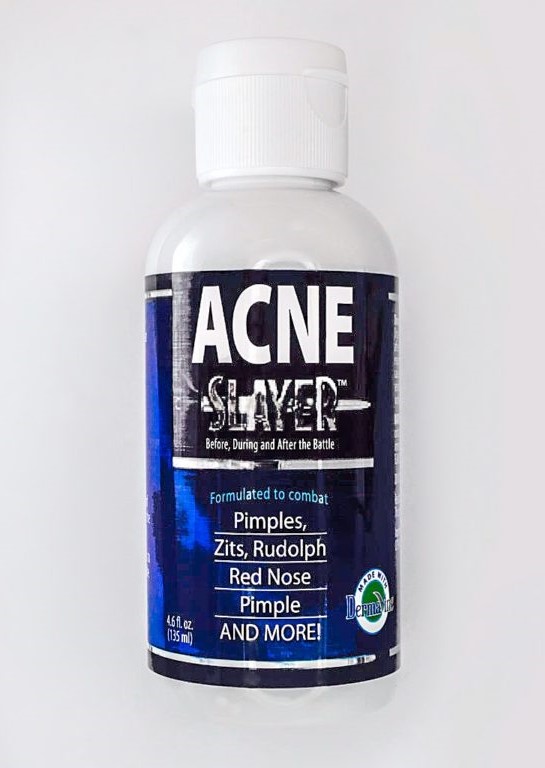
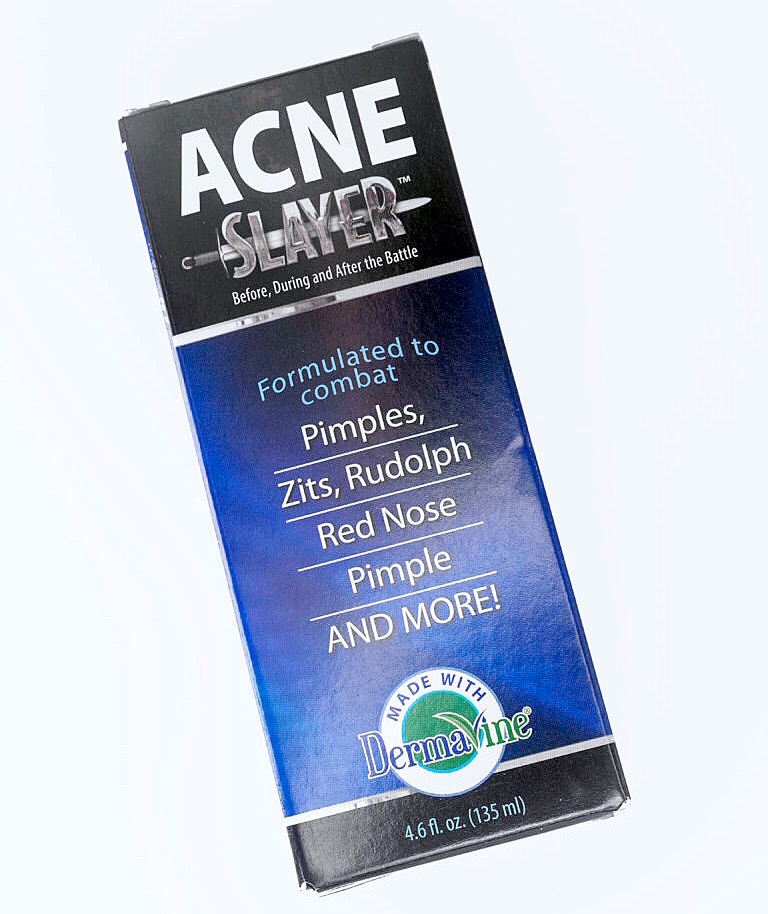
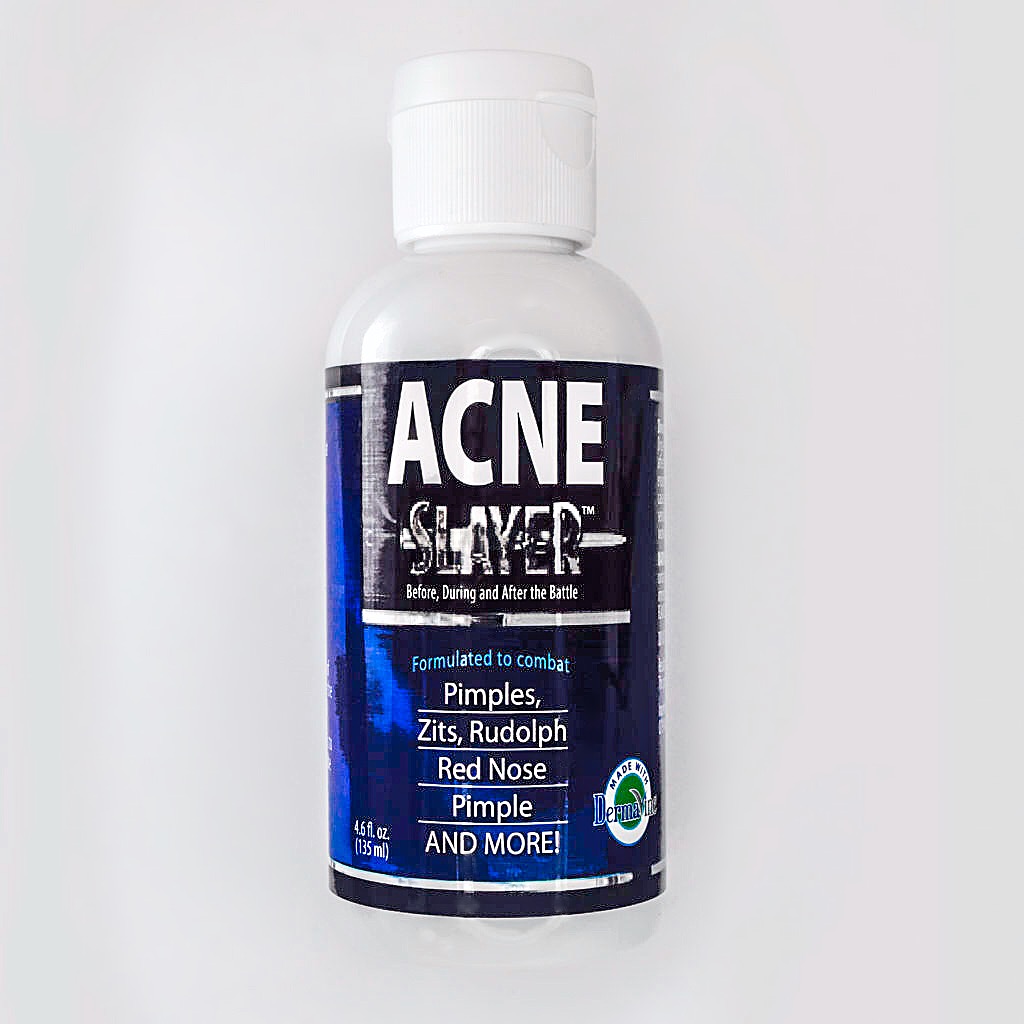
I thought by the time I had wrinkles that acne would be over. Nope. And adult acne is tricky. Cystic acne, Rudolph red nose, pimples, and full-blown zits. Acne Slayer fights all the above.

We got a chance to try this plant-based blemish fighter. It works because it has natural, proven ingredients. Read about the research-backed natural ingredients and our experience with Acne Slayer.

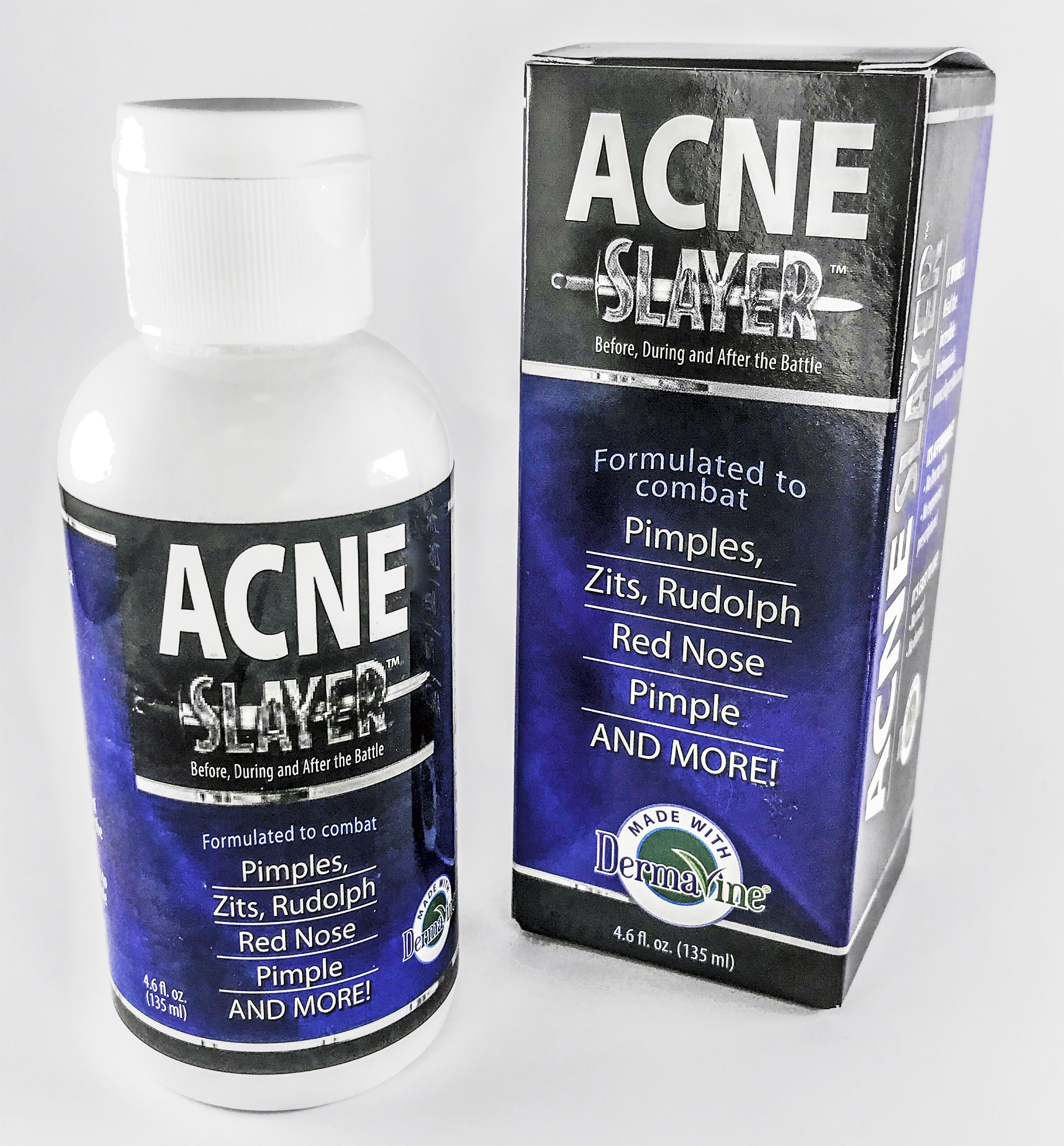
Acne Slayer

Acne Slayer

What is Acne Slayer?

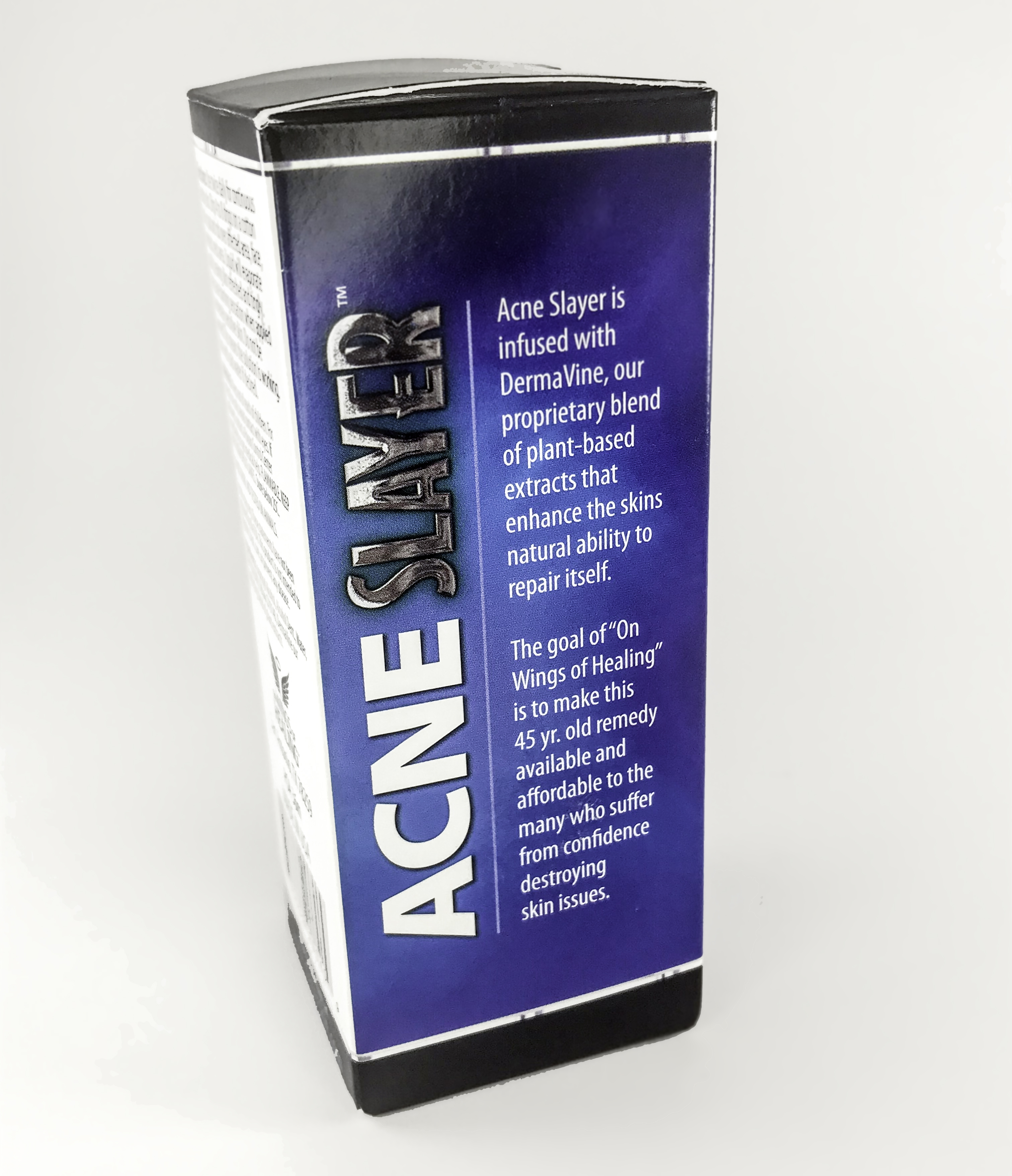
Acne Slayer works because it uses proven plant extracts to enhance the skin’s natural ability to heal.

DermaVine is Acne Slayer’s secret weapon. It is a proprietary blend of ingredients like willow bark, lemon peel oil, and cinnamon extract.

DermaVine

Cinnamon bark enhances the permeation and delivery of topical treating ingredients. [1]

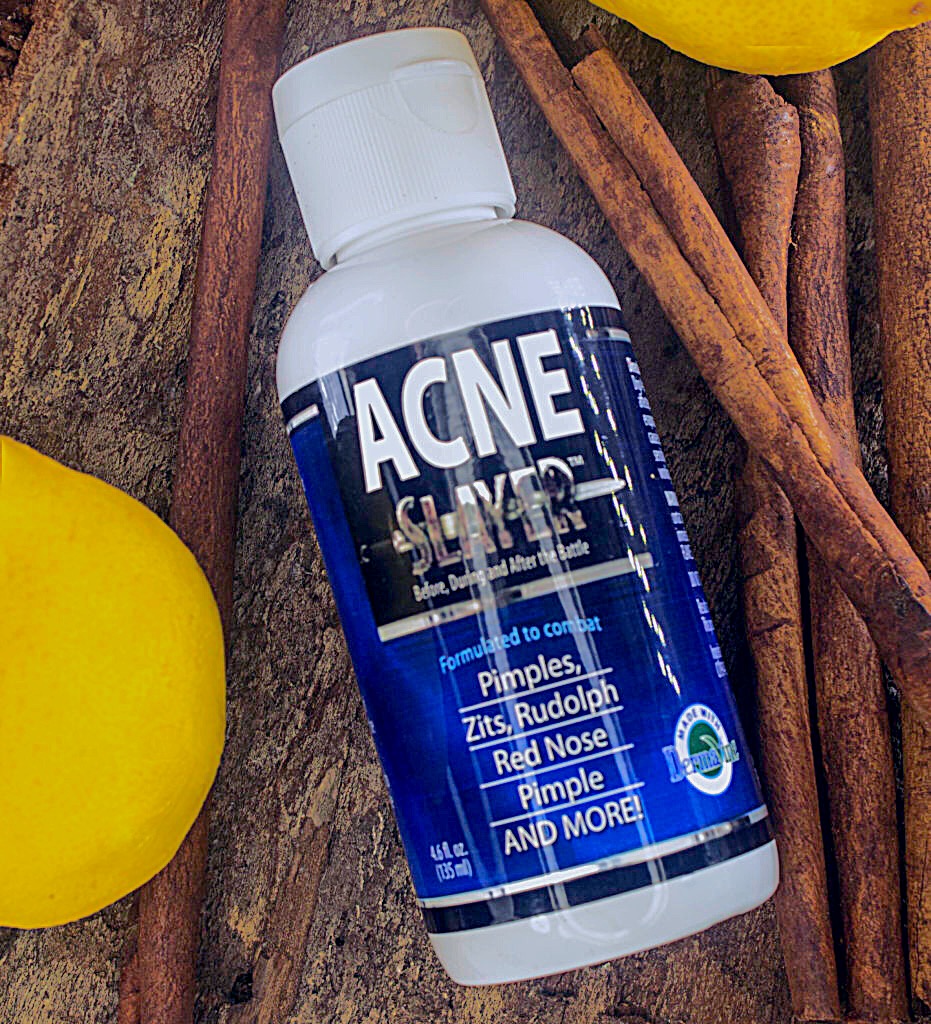
Acne Slayer

The DermaVine formula is suspended within an alcohol solution. Alcohol destroys fungal, viral, and bacterial cells that cause acne. This also enables the best possible absorption – better than creams, salves, or serums.

As a liquid, it won’t leave a residue. It is undetectable on a bare face or under moisturizer, sunscreen, or makeup.

Lemon Peel Oil eliminates Cutibacterium acnes, an acne-causing bacteria, better than the antibiotic erythromycin.[2]

Typically, alcohol dries adult skin. But the DermaVine formulation rehydrates and promotes new, healthy skin cells. The result is a natural, effective, plant-based acne remedy.

What are the Ingredients in Acne Slayer?

Let’s take a look at the acne-fighting properties of a few of the ingredients in the DermaVine formula:

Key Ingredients

Willow Bark extract comes from these inner layers of the bark of the willow tree.

Willow Bark Extract

Willow Bark Extract is an excellent acne remedy. It unclogs pores, reduces redness, and regulates sebum production. Yet it is gentle to the skin.

Willow Bark extract has analgesic, anti-inflammatory, antibacterial, and antimicrobial properties. [3]

Willow Bark contains salicin, which makes salicylic acid.

How does Salicylic Acid help acne?

It is a natural bHA.  Salicylic Acid purges clogged pores without excess drying the skin surface.

Salicylic Acid does not cause the dryness that occurs with Benzoyl Peroxide or Retinol.

It also helps build collagen to heal acne scars and improve skin care texture.

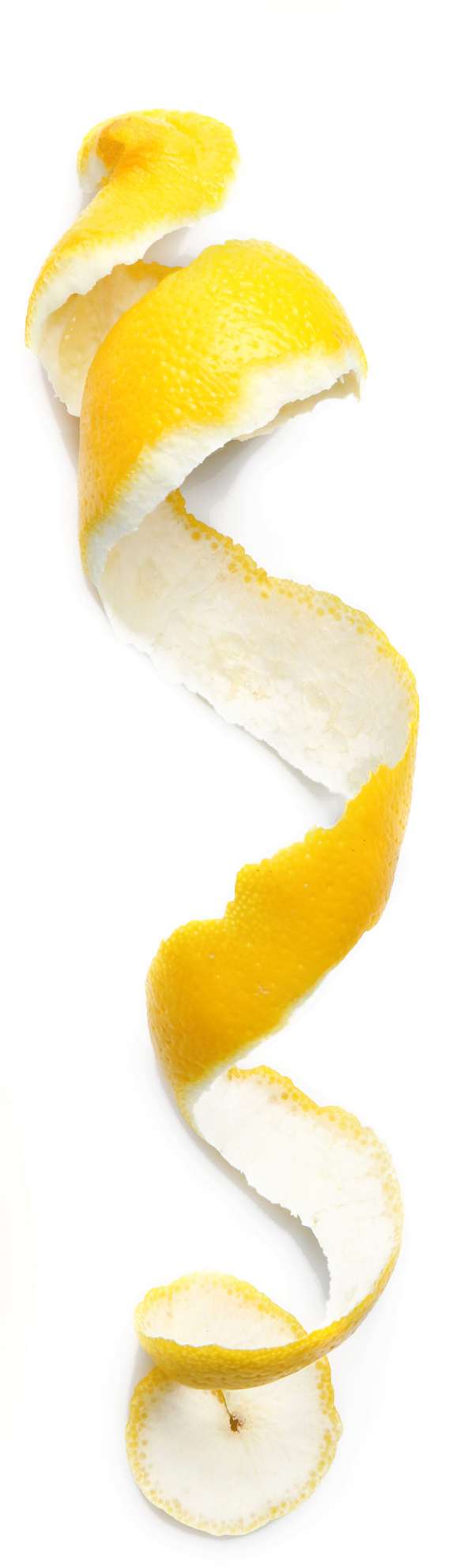
Lemon Peel Oil

Lemon Peel Oil clears the skin.

As a natural exfoliator and skin purifier, lemon peel oil gives skin a lovely glow. [4]

Lemon Peel Oil alleviates skin inflammation [5] to reduce the angry red appearance of a blemish. It also reduces certain infection-causing bacterias. [6]

One study reported Lemon Peel Oil demonstrates remarkable antibacterial activity against Cutibacterium acnes (C. acnes, Formerly P. acnes) and common microorganisms such as S. aureus, B. subtilis, and E. coli. Even compared with the common antibiotics (such as erythromycin, clindamycin, and tetracycline) for acne therapy, its antibacterial activity against C. acnes is more excellent7].

Lemon Peel Oil is an antioxidant containing high levels of Vitamin C. Vitamin C reduces excess oil production, shrinks pores, and exfoliates dead surface skin. These reduce the formation of acne.

Direct, undiluted application of lemon peel oil can be excessively drying to the skin, but it works well within a balanced formulation.

cinnamonum extract

Cinnamonum Extract is a type of cinnamon bark.

It is used in skincare as an antiseptic, antibiotic, and astringent.

Cinnamonum Extract helps eliminate bacteria and prevent future breakouts due to its detoxifying and antiseptic properties.[8] It is particularly effective in eliminating acne causing Propionibacterium acnes and Staphylococcus epidermidis. [9, 10]

Cinnamon Extract can enhance the absorption and delivery of treating ingredients via the skin.[11]

Studies suggest cinnamaldehyde, a component in cinnamon, may enhance healing in P. aeruginosa-infected skin wounds. [12]

The Acne Slayer Experience

The texture is a bit thicker than water consistency. I am impressed that it is not greasy or sticky.

It smells of alcohol but doesn’t sting.

The smell of alcohol evaporates quickly. It is fresh smelling, but I don’t detect a specific note. Maybe a bit citrus with slight spice but not exactly cinnamon. I smell nothing once it is dry.

It dries down completely clean. I can wear makeup or sunscreen on top without any grainy, chalky, or greasy residue.

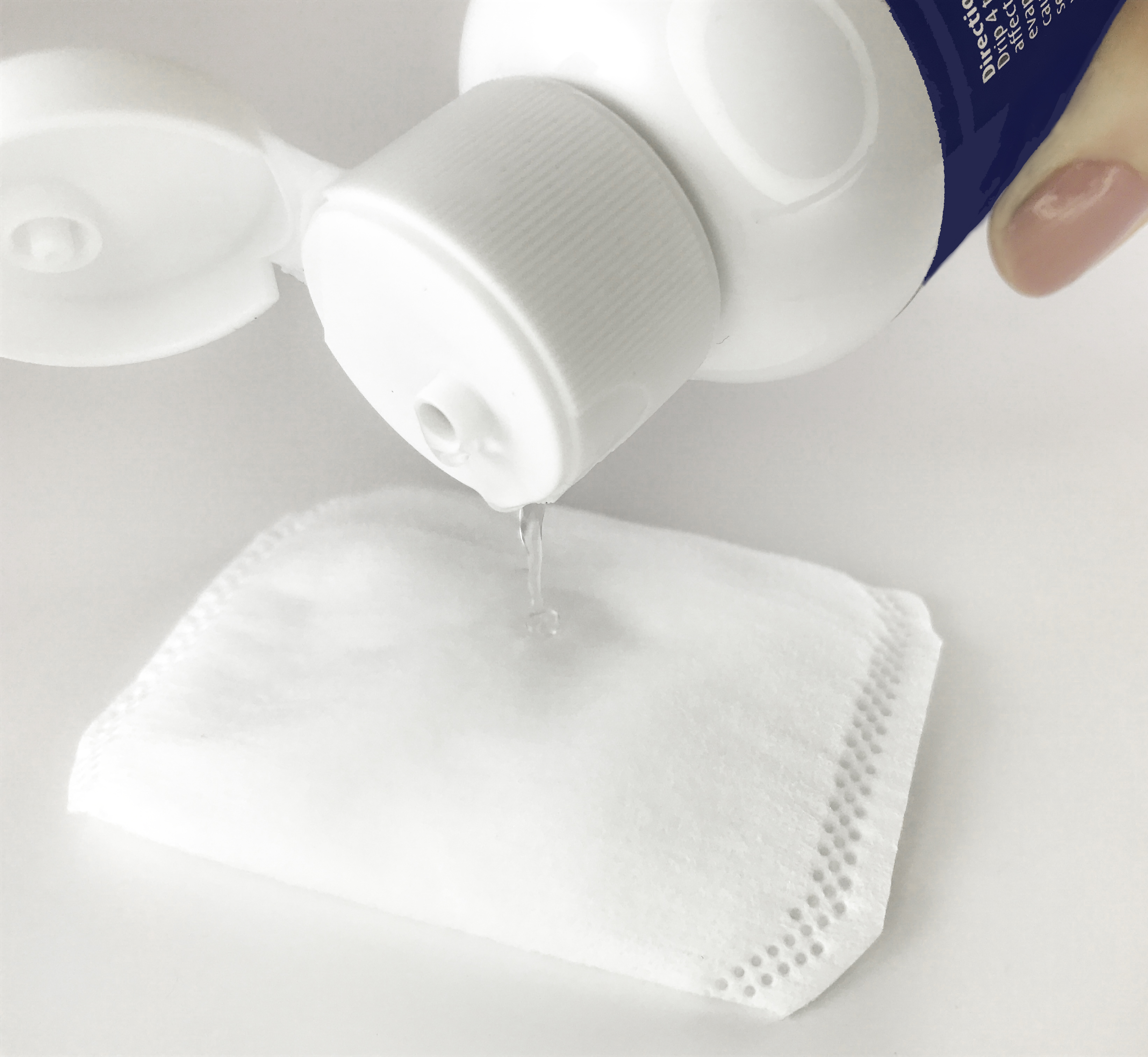
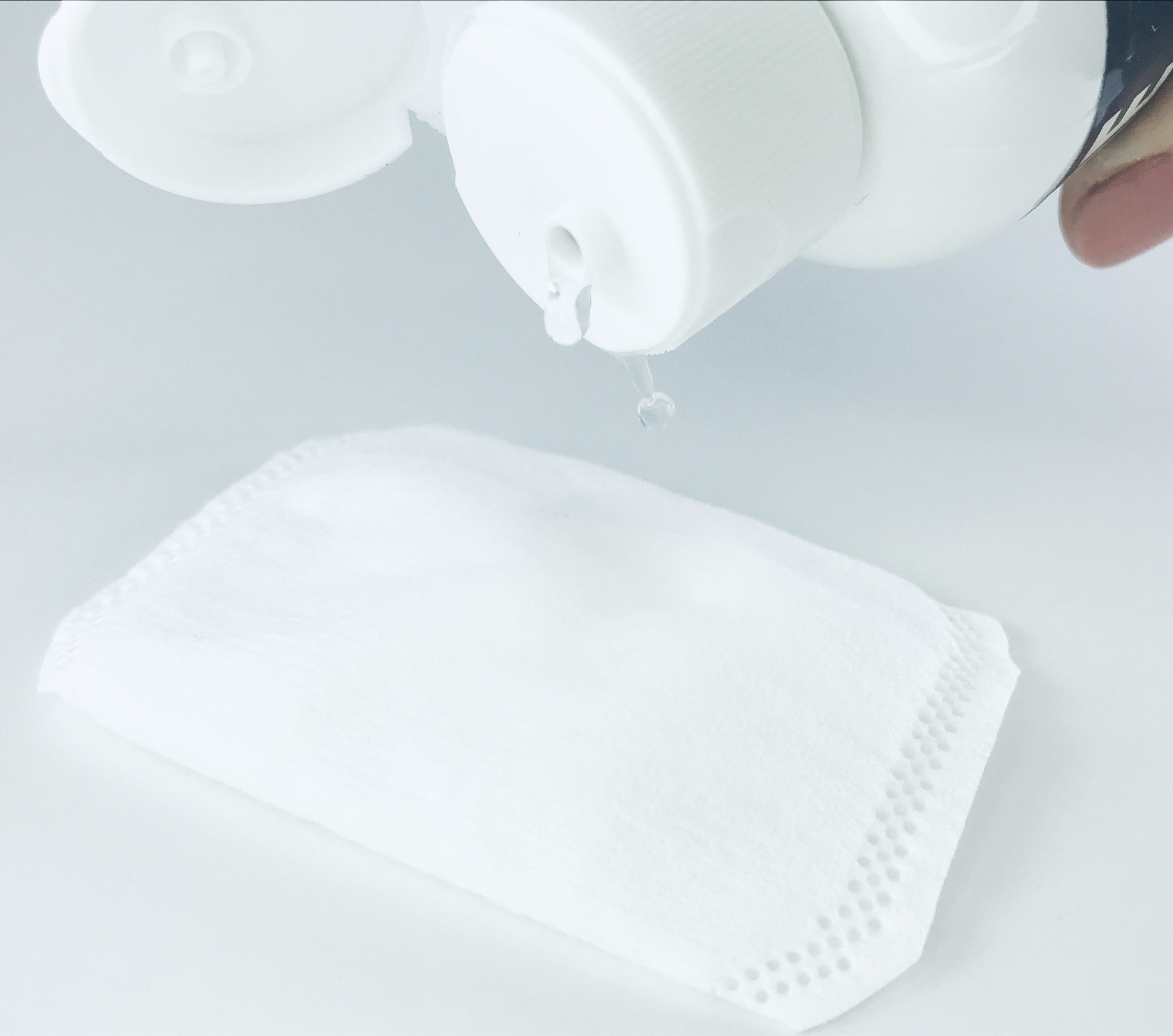
Apply 4-8 drops of Acne Slayer to the face like a toner

Apply 4-8 drops of Acne Slayer to the face like a toner

Apply 4-8 drops with a cotton pad


How does it work?

Just on cue, a cystic acne pimple emerged on my chin. Red, swollen and painful.

So I applied Acne Slayer as directed.

  1. I wipe it on my face with a cotton wipe, like a toner.
  2. It dries immediately without a residue, and I apply my sunscreen or moisturizer directly on top.
  3. I apply daily.

Normally cystic acne painfully sits on my face, slowly forming into pimple form for over a week or so. Acne Slayer reduced the size, removed the painful swelling, and the redness.

It also accelerated the process. Acne Slayer stopped the painful inflammation and redness of cystic acne, quickly reducing an angry blemish to a non-inflamed white head that resolved on its’ in a few days.

Where to Buy Acne Slayer

Find Acne Slayer at https://www.slayerskincare.com/acne-slayer

Acne Slayer


Acne Slayer natural ingredients

QUESTIONS?

COMMENTS?

Have any questions about Acne Slayer?

The Style Chicks are here to answer them.

✽

Leave a comment or email us at questions@stylechicks.com


References

  1. Jiang, Qiudong et al. “Development of essential oils as skin permeation enhancers: penetration enhancement effect and mechanism of action.” Pharmaceutical biologyvol. 55,1 (2017): 1592-1600. doi:10.1080/13880209.2017.1312464
  2. Hou, He-Shuai et al. “Extraction of essential oil from Citrus reticulate Blanco peel and its antibacterial activity against Cutibacterium acnes (formerly Propionibacterium acnes).” Heliyon vol. 5,12 e02947. 2 Dec. 2019, doi:10.1016/j.heliyon.2019.e02947
  3. Shara M, Stohs SJ. Efficacy and Safety of White Willow Bark (Salix alba) Extracts. Phytother Res. 2015 Aug;29(8):1112-6. doi: 10.1002/ptr.5377. Epub 2015 May 22. PMID: 25997859.
  4. Man, Adrian et al. “Antimicrobial Activity of Six Essential Oils Against a Group of Human Pathogens: A Comparative Study.” Pathogens (Basel, Switzerland) vol. 8,1 15. 28 Jan. 2019, doi:10.3390/pathogens8010015
  5. Anil Kumar Maurya, et al, “The essential oil from Citrus limetta Risso peels alleviates skin inflammation: In-vitro and in-vivo study”, Journal of Ethnopharmacology, Volume 212, 2018, Pages 86-94
  6. Ibid
  7. Hou, Extraction, Heliyon
  8. Veerasophon, Jinmica et al. “Formulation of anti-acne concealer containing cinnamon oil with antimicrobial activity against Propionibacterium acnes.” Journal of advanced pharmaceutical technology & research vol. 11,2 (2020): 53-58. doi:10.4103/japtr.JAPTR_1_20
  9. Ibid
  10. Julianti, Elin et al. “Antibacterial Activity of Ethanolic Extract of Cinnamon Bark, Honey, and Their Combination Effects against Acne-Causing Bacteria.” Scientia pharmaceutica vol. 85,2 19. 11 Apr. 2017
  11. Jiang, Development, Pharmaceutical
  12. Ferro, Thiago A F et al. “Topical Application of Cinnamaldehyde Promotes Faster Healing of Skin Wounds Infected with Pseudomonas aeruginosa.” Molecules (Basel, Switzerland)vol. 24,8 1627. 25 Apr. 2019, doi:10.3390/molecules24081627

About This Post

Acne Slayer

Acne Slayer

The Style Chicks team personally tests and thoroughly evaluates each product before it is featured.

Style Chicks independently researches product ingredients to understand how every featured product works. We show our research in the References section of each article.

Our opinions are 100% our own.

Posted by Style Chicks / Filed In: Beauty, Skincare
Tagged: Acne, Acne Slayer, Natural Acne Remedy

How to Best treat Adult Acne with Acne Slayer

October 31, 2020 · Leave a Comment

Review: Acne Slayer a plant-based acne treatment

I thought by the time I had wrinkles that acne would be over. Nope. And adult acne is tricky. Cystic acne, Rudolph red nose, pimples, and full-blown zits. Acne Slayer fights all the above. We got a chance to try this plant-based blemish fighter. It works because it has natural, proven ingredients that are delivered by a unique method of conveyance.  Read about the research-backed natural ingredients and our experience with Acne Slayer.

Acne Slayer

Acne Slayer

WHY Acne Slayer WORKS

Acne Slayer works because it uses proven plant extracts to enhance the skin’s natural ability to heal.

DermaVine is Acne Slayer’s secret weapon. It is a proprietary blend of ingredients like willow bark, lemon peel oil, and cinnamon extract.

DermaVine

Cinnamon bark enhances the permeation and delivery of topical treating ingredients.  [1]

Acne Slayer

The DermaVine formula is suspended within an alcohol solution. Alcohol destroys fungal, viral, and bacterial cells that cause acne. This also enables the best possible absorption – better than creams, salves, or serums.

As a liquid, it won’t leave a residue. It is undetectable on a bare face or under moisturizer, sunscreen, or makeup.

Lemon Peel Oil eliminates Cutibacterium acnes, an acne-causing bacteria, better than the antibiotic erythromycin. [2]

Typically, alcohol dries adult skin. But the DermaVine formulation rehydrates and promotes new, healthy skin cells. The result is a natural, effective, plant-based acne remedy.

What is in Acne Slayer?

Let’s take a look at the acne-fighting properties of a few of the ingredients in the DermaVine formula:

Key Ingredients

Willow Bark extract comes from these inner layers of the bark of the willow tree.

Willow Bark Extract

Willow Bark Extract is an excellent acne remedy. It unclogs pores, reduces redness, and regulates sebum production. Yet it is gentle to the skin.

Willow Bark extract has analgesic, anti-inflammatory, antibacterial, and antimicrobial properties. [3]

Willow Bark contains salicin, from which salicylic acid is derived. Salicylic Acid is a natural bHA.

  • It purges clogged pores without excess drying the skin surface.
  • Salicylic Acid does not cause the dryness that occurs with Benzoyl Peroxide or Retinol.
  • It also helps build collagen to heal acne scars and improve skin care texture.

Lemon Peel Oil

Lemon Peel Oil clears the skin. As a natural exfoliator and skin purifier, lemon peel oil gives skin a lovely glow. [4]

Lemon Peel Oil alleviates skin inflammation [5] to reduce the angry red appearance of a blemish. It also reduces certain infection-causing bacterias. [6]

One study reported Lemon Peel Oil demonstrates remarkable antibacterial activity against Cutibacterium acnes (C. acnes, Formerly P. acnes) and common microorganisms such as S. aureus, B. subtilis, and E. coli. Even compared with the common antibiotics (such as erythromycin, clindamycin, and tetracycline) for acne therapy, its antibacterial activity against C. acnes is more excellent [7].

Lemon Peel Oil is an antioxidant containing high levels of Vitamin C. Vitamin C reduces excess oil production, shrinks pores, and exfoliates dead surface skin. These reduce the formation of acne.

Direct, undiluted application of lemon peel oil can dry the skin. But it works well within a balanced formulation.

Cinnamonum Extract

Cinnamonum Extract is a type of cinnamon bark.

It is used in skincare as an antiseptic, antibiotic, and astringent.

Cinnamonum Extract helps eliminate bacteria and prevent future breakouts due to its’ detoxifying and antiseptic properties.[8] It is particularly effective in eliminating acne causing Propionibacterium acnes and Staphylococcus epidermidis. [9, 10]

Cinnamon Extract can enhance the absorption and delivery of treating ingredients via the skin.[11]

Studies suggest cinnamaldehyde, a component in cinnamon, may enhance healing in P. aeruginosa-infected skin wounds. [12]

The Acne Slayer Experience

The texture is a bit thicker than water consistency. I am impressed that it is not greasy or sticky.

It smells of alcohol but doesn’t sting.  The smell of alcohol evaporates quickly. It is fresh smelling, but I don’t detect a specific note. Maybe a bit citrus with slight spice but not exactly cinnamon. I smell nothing once it is dry.

It dries down completely clean. I can wear makeup or sunscreen on top without any grainy, chalky, or greasy residue.

Apply 4-8 drops of Acne Slayer to the face like a toner

Apply 4-8 drops of Acne Slayer to the face like a toner

Apply 4-8 drops with a cotton pad


How does it work?

Just on cue, a cystic acne pimple emerged on my chin. Red, swollen and painful.

So I applied Acne Slayer as directed. I wipe it on my face with a cotton wipe, like a toner. It dries immediately without a residue, and I apply my sunscreen or moisturizer directly on top. I apply daily.

Normally cystic acne painfully sits on my face, slowly forming into pimple form for over a week or so.  Acne Slayer reduced the size, removed the painful swelling, and the redness. It also accelerated the process. Acne Slayer stopped the painful inflammation and redness of cystic acne, quickly reducing an angry blemish to a non-inflamed white head that resolved on its’ in a few days.

Where to Buy Acne Slayer

Find Acne Slayer at https://www.slayerskincare.com/acne-slayer

Acne Slayer


Acne Slayer natural ingredients

QUESTIONS?

COMMENTS?

Have any questions about Acne Slayer?

The Style Chicks are here to answer them.

✽

Leave a comment or email us at questions@stylechicks.com


References

  1. Jiang, Qiudong et al. “Development of essential oils as skin permeation enhancers: penetration enhancement effect and mechanism of action.” Pharmaceutical biologyvol. 55,1 (2017): 1592-1600. doi:10.1080/13880209.2017.1312464
  2. Hou, He-Shuai et al. “Extraction of essential oil from Citrus reticulate Blanco peel and its antibacterial activity against Cutibacterium acnes (formerly Propionibacterium acnes).”  Heliyon vol. 5,12 e02947. 2 Dec. 2019, doi:10.1016/j.heliyon.2019.e02947
  3. Shara M, Stohs SJ. Efficacy and Safety of White Willow Bark (Salix alba) Extracts. Phytother Res. 2015 Aug;29(8):1112-6. doi: 10.1002/ptr.5377. Epub 2015 May 22. PMID: 25997859.
  4. Gil, M I et al. “Antioxidant activity of pomegranate juice and its relationship with phenolic composition and processing.” Journal of agricultural and food chemistry vol. 48,10 (2000): 4581-9. doi:10.1021/jf000404a
  5. Anil Kumar Maurya, et al, “The essential oil from Citrus limetta Risso peels alleviates skin inflammation: In-vitro and in-vivo study”, Journal of Ethnopharmacology, Volume 212, 2018, Pages 86-94
  6. Ibid
  7. Hou, Extraction, Heliyon
  8. Veerasophon, Jinmica et al. “Formulation of anti-acne concealer containing cinnamon oil with antimicrobial activity against Propionibacterium acnes.” Journal of advanced pharmaceutical technology & research vol. 11,2 (2020): 53-58. doi:10.4103/japtr.JAPTR_1_20
  9. Ibid
  10. Julianti, Elin et al. “Antibacterial Activity of Ethanolic Extract of Cinnamon Bark, Honey, and Their Combination Effects against Acne-Causing Bacteria.”  Scientia pharmaceutica vol. 85,2 19. 11 Apr. 2017
  11. Jiang, Development, Pharmaceutical
  12. Ferro, Thiago A F et al. “Topical Application of Cinnamaldehyde Promotes Faster Healing of Skin Wounds Infected with Pseudomonas aeruginosa.” Molecules (Basel, Switzerland)vol. 24,8 1627. 25 Apr. 2019, doi:10.3390/molecules24081627

About This Post

Acne Slayer

Acne Slayer

The Style Chicks team personally tests and thoroughly evaluates each product before it is featured.

Style Chicks independently researches product ingredients to understand how every featured product works. We show our research in the References section of each article.

Our opinions are 100% our own.

Posted by Style Chicks / Filed In: Adult Acne, Skincare
Tagged: Acne, Acne Slayer, Natural Acne Remedy

Salicylic Acid What it is + How to Best Use it

July 16, 2019 · 6 Comments

INGREDIENT GUIDE: Salicylic Acid is a bHA that treats adult acne with extra skin benefits


Salicylic Acid is effective for teenage, cystic, and adult acne.

It is preferred for mature skin because it does not excessively dry skin that’s already showing signs of aging.

What is Salicylic Acid in skincare?

It is a bHA (beta hydroxy acid). It is a natural ingredient that comes from Willow Bark.

  • BHAs work from the bottom of a pore up.
  • Alpha Hydroxy Acid (AHAs) work from the top layer of the skin down.

It works by breaking down layers of thick skin.

What does Salicylic Acid Treat?

Salicylic Acid is also proven effective as a chemical peel agent for various skin issues. [2]

Some of those skin conditions include:

  • acne
  • psorasis
  • eczema
  • dandruff
  • seborrheic dermatitis of the skin and scalp
  • calluses
  • corns

What are SALICYLIC ACID skin benefits?

Salicylic Acid is a natural bHA that comes from White Willow Bark.

Salicylic Acid is a natural bHA from White Willow Bark.

Salicylic Acid has several skincare benefits:

  • It purges clogged pores without drying the skin surface.
  • It does not cause the dryness or Benzoyl Peroxide or Retinol.
  • Salicylic Acid also helps build collagen to heal acne scars and improve skincare texture. Collagen production is a nice perk of acne treatment!
  • It can be used daily
  • Even if you are not acne-prone, dead skin cells can dull a complexion. BHAs helps to prevent acne and promote a smoother, more even skin texture.
  • it evens skin tone and fades acne marks.

What Ingredients work well with Salicylic Acid?

Salicylic acid works better when combined with another peeling agent.

  • Using Salicylic Acid and an aHA like Mandelic Acid is proven to be highly successful in the treatment of moderate acne. [3]
  • Using it with glycolic acid is effective in treating scalp conditions such as dandruff
  • It should NOT be used with any scrub or Benzoyl Peroxide.
  • Do not use retinol at the same time.

What are the disadvantages of Salicylic Acid?

Like any active, over use can cause skin irritation.

Best use tip: if used during the day, it should always be paired with sunscreen.

It can be drying to the hair when overused in a shampoo unless that shampoo also contains hydrating ingredients.

When possible, use a hair conditioner from the ears down after a treatment shampoo.


Why use a Salicylic Acid shampoo? 

As a shampoo, it is an excellent ingredient to treat any dry or thickened skin patches on the scalp.

These patches can be caused by:

  • eczema
  • dandruff
  • dermatitis
  • psoriasis

How to Best Use a Salicylic Shampoo

It is generally used once or twice a week to maintain a flake-free scalp.

Your dermatologist may first recommend daily use to treat the problem. Then 1-2 times a week.

There are prescription strength shampoos but many over the counter shampoos can be very effective.

If yours isn’t working, another brand may work better for you.  Some come in higher extra strength concentrations of 3%. Generally, 2% can be effective.

BEST USE TIP: You can leave the shampoo on your scalp for several minutes before rinsing it off to maximize the benefits.

What are Salicylic Acid Benefits for Hair?

Even if you don’t have dandruff, it can gently exfoliates the scalp by:

  • loosening dead skin
  • dirt
  • product buildup
  • excess oil

Salicylic acid helps loosen the “glue” of dry or scaly scalp skin. It also tends to smell better than many medicinal shampoos used to treat these conditions.

BEST USE TIP: It is better to use a shampoo form verses a direct SA serum application. Direct application is too drying to the scalp.

Can Salicylic Acid Grow Hair?

No. It is not known to directly grow hair.

But a clean scalp is a healthy foundation to best grow hair.

Favorite Products Using Salicylic Acid

SKINCARE USES

  • Peter Thomas Roth Acne Clear Invisible Dots are tiny clear band-aid like dots with salicylic acid to spot treat acne.
  • Neutralyze Exfoliating Pads combine Salicylic with Mandelic and Nitric Oxide to clean pores fast.
  • Kat Burki Power Trio Radiance Oil: Combining just three oils, this treatment features Raspberry Oil which contains Salicylic Acid. It pairs nicely with the other restorative and hydrating oils to keep my skin in balance when I am not experiencing active breakouts.
  • Clinique Acne Solutions Clinical Clearing Gel is highly effective on adult cystic acne when used as a pre-emptive or spot treatment.
  • The Exposed Skincare line uses SA in two ways within their product range.  Great for adult cystic acne.
  • The Ordinary Salicylic Acid 2% Solution is a gentle but effective pre-emptive acne treatment

HAIRCARE USES

  • CeraVe Gentle Hydrating Shampoo is great for those with sensitive skin because it has ceramides to balance the dandruff treating ingredients.

  • Neutrogena T/Sal Scalp Build-Up Control Therapeutic Shampoo is great for those with sensitivities.

  • Nizoral Scalp Psoriasis Shampoo & Conditioner is a classic that is also viewed as a hair growth staple that contains conditioning vitamins E, C, and B5. It also leaves hair shiny.

How to Best Use Salicylic Acid SUMMARY

Beta Hydroxy Acids unclog pores, exfoliate the skin, and promote a more even skin tone.  Salicylic acid is one of the few ingredients capable of treating adult acne without being too drying on mature skin.

If you’re new to BHAs, start slowly and be sure use moisturizer and sunscreen to keep your skin healthy and hydrated.

About the Style Chicks Ingredient Guides

The Ingredient Guides

Was this guide helpful? Then you may enjoy our other ingredient guides such as:

  • How to Best Use Black Cumin Seed Oil
  • How to Best Use Watercress
  • Rosehip Seed Oil
  • How to Use Aloe Vera

Find more skin-friendly ingredients in the Style Chicks Defining Beauty Glossary. The Defining Beauty Glossary contains many helpful ingredients for hair and skin care.


QUESTIONS or Comments?

Clinique Acne Solutions Clinical Clearing Gel has Salicylic Acid

Clinique Acne Solutions Clinical Clearing Gel contains Salicylic Acid

Know a product that should be on this list? Tell us!

Have any questions about Salicylic Acid?

The Style Chicks are here to answer them.

Leave a comment or email us


References

  1. Kessler E, Flanagan K, Chia C, Rogers C, Glaser DA. Comparison of alpha- and beta-hydroxy acid chemical peels in the treatment of mild to moderately severe facial acne vulgaris. Dermatol Surg 2008;34:45-50.
  2. Bari AU, Tolerance and safety of superficial chemical peeling with salicylic acid in various facial dermatoses. Indian J Dermatol Venereol Leprol. 2005 Mar-Apr;71(2):87-90.
  3. Garg VK, Sinha S, Sarkar R. Glycolic acid peels versus salicylic-mandelic acid peels in active acne vulgaris and post-acne scarring and hyperpigmentation: A comparative study. Dermatol Surg 2009;35:59-65.

Posted by Style Chicks / Filed In: Ingredient Guides, Science of Skincare
Tagged: Acne, Adult Acne, Salicylic Acid

  • 1
  • 2
  • 3
  • …
  • 7
  • Previous Entries

Search Style Chicks

Pages

  • About the Style Chicks
  • Contact Us
  • Discontinued Clinique Products Guide Lost Clinique You Love
  • The Best Beauty Ingredients You Will Love Glossary Guide

Review + Guide Topics

  • Accessories
  • Adult Acne
  • Anti-Aging
  • Beauty
  • Beauty Expert Advice
  • Beauty Tools + Devices
  • Better Beauty Sleep
  • Black Friday & Cyber Monday
  • Body
  • Clean Beauty
  • Cosmetics
  • Curly Hair Care
  • Decor
  • Discontinued Products
  • Entertaining
  • Essential Oils
  • Exercise
  • Fashion
  • Featured
  • Food
  • For the Home
  • Fragrance Free
  • Gadgets
  • Gifts
  • Green Beauty
  • Gym Beauty Bag
  • Hair
  • Hair Care Devices & Tools
  • Hair Growth
  • Hair Growth Devices
  • Haircare
  • Health
  • How to
  • How to…
  • Ingredient Glossary
  • Ingredient Guides
  • J-Beauty
  • Jewelry
  • K-Beauty
  • Life Hacks
  • Lifestyle
  • Makeup
  • Makeup Tools & Brushes
  • New Products
  • News
  • Organic
  • Pre-Shampoo Hair Treatments + Conditioning Remedies
  • Product Review
  • Product Updates
  • Science of Beauty
  • Science of Skincare
  • Sensitive Skin
  • Sephora
  • Shoes!
  • Skin Tools & Devices
  • Skincare
  • Spa Economy
  • Style
  • Tea
  • Technology
  • Things I want
  • Travel
  • Unscented
  • Vanity Table
  • Waterless Beauty
  • Weddings

Welcome to Style Chicks

Since 2007, we are your trusted source for expert hair and skincare reviews, in-depth ingredient guides, and info on hard-to-find and discontinued beauty products. Whether you're looking for smarter skincare choices, hair growth options, clean beauty cosmetics reviews, ingredient glossary, better beauty sleep, hair care tips, beauty how-to guides or trying to track down your holy grail favorite, we’ve got you covered.


Copyright © 2007 - 2025 STYLE CHICKS