• Ingredient Glossary & Guides
    • The Best Beauty Ingredients You Will Love Glossary Guide
    • Skincare Ingredient Guides
  • Beauty
    • Better Beauty Sleep
    • Beauty Expert Advice
    • Clean Beauty
    • Cosmetics
    • How to…
    • Discontinued Clinique
    • Makeup Tools & Brushes
    • Science of Beauty
  • Haircare
    • Hair Growth
    • Hair Growth Devices
    • Hair Maintenance Products
    • Hair Styling Tools
    • Haircare Tools
  • Skincare
    • Adult Acne
    • Anti-Aging
    • Skin Devices & Topicals
    • Skin Tools & Devices
    • Science of Skincare
    • Waterless Beauty
  • Contact
  • About
    • About Our Features: How Our Product Reviews are Unique
    • Disclaimer
    • Disclosures
    • Privacy Policy
    • Terms of Use

Style Chicks

Expert Beauty Reviews | Skincare Ingredient Guides

You are here: Home / Archives for Anti-Aging

Anti-aging: natural anti-aging skincare routines

natural anti-aging skincare routines

Why Use beta Hydroxy Acids bHAs for Better Skin

October 26, 2024 · Leave a Comment

Beta Hydroxy Acids or bHAs, are less well-known than their aHA counterparts. But they are just as useful for treating several skin conditions. Beta Hydroxy Acids are excellent for reducing adult acne, enhancing gentle skin exfoliation, and correcting an uneven skin tone. Despite their prevalence in skincare formulations, many do not know how to get the most benefit from bHAs. Can bHA help your skin concerns? Discover more about how to use Beta Hydroxy Acids.

What are Beta Hydroxy Acids?

Beta-hydroxy acid (bHA) is a form of oil-soluble exfoliant which is derived from fruit, plant or milk sugars.

It is most commonly used in skincare to treat acne, fine lines and wrinkles, blackheads, dullness, and photoaging.

bHAs are often gentler than aHAs and have some extra anti-bacterial benefits.

How do Beta Hydroxy Acids Work?

As a general rule, bHAs are particularly good at clearing out a pore or deep cystic acne without excessive irritation to the surface of the skin.

BHAs are a type of exfoliant that is lipid soluble. This is useful because as they penetrate deep into the pores, they can break up and remove oily debris such as dirt, excess sebum, or dead skin cells. This makes bHAs super effective on certain types of acne. They are also highly effective on counteracting the effects of photoaging [1].

What are some types of beta Hydroxy Acids?

You are likely most familiar with the most commonly known bHA in skincare: salicylic acid. But there are several forms of bHAs.

Salicylic acid is most helpful to unclog pores and reduce inflammation. It is particularly effective on stubborn adult acne and cystic acne. [2]

Over-the-counter preparations contain two percent or less Salicylic Acid. These levels do not cause the itchy dryness and inflamed peeling that often occur with Benzoyl Peroxide or Retinol, especially when used as a spot application.

Salicylic Acid preparations as high as 30% are used by professionals as an in-office chemical peel treatment. [3] This should only be undertaken by a trained professional.

There are also substances related to salicylic acid or salicylic acid derivatives. These include beta-lipo-hydroxy acid (LHA), salicylate, sodium salicylate, and willow extract.

Read more about the benefits of salicylic acid in this article.

Not impressed with salicylic acid? You got options.

Other less well-known types of Beta Hydroxy Acids used in skincare formulations include:

Beta hydroxybutanoic acid

Beta hydroxybutanoic acid is derived from sugar beets.

It is like a kinder gentler version of salicylic acid.

If your skin is sensitive AND you have acne, Beta hydroxybutanoic acid is a good option.

Trethocanic acid

Trethocanic acid is an acid derived from pine bark.

It is similar to salicylic acid, but more robust.

If your acne is severe and not responding to standard remedies, trethocanic acid is the “big guns” of the bHAs.

Citric Acid

Citric acid is a fruit-based acid that helps clear dead skin cells. It is often used within formulations to enhance the penetration of active ingredients.

This especially enhances the treatment capabilities of ingredients geared towards addressing signs of photoaging.

Citric acids are generally less irritating than other comparable acids such as glycolic acid. Yet one study found that applying citric acid regularly for three months produced changes similar to those observed with retinoic acid. Notably, an increase in epidermal and dermal “glycosaminoglycans and viable epidermal thickness“. [4]

Some of Our Favorite BHA’s

Kat Burki Power Trio Radiance Oil

Combining just three oils, this treatment features Raspberry Oil which contains Salicylic Acid. I find it pairs nicely with the other restorative and hydrating oils to keep my skin in balance when I am not experiencing active breakouts.

Kat Burki Power Trio Radiance Oil contains a gentle salicylic acid from Red Raspberry Seed Oil


Neutralyze Exfoliating Pads

These mean business. It combines Salicylic and Mandelic Acids with Nitric Oxide for serious purging power. Not for the faint of heart: I had to discontinue retinoids during use, and use extra moisturizer, but it sure cleared up my stubborn blackheads fast.


Clinique Acne Solutions Clinical Clearing Gel

Specifically suited for stubborn adult cystic acne, a thin layer of this unscented gel formula dries down clear and virtually undetectable for daytime use. After trying numerous salicylic acid gel formulas, I was amazed at how fast this gentle formula worked.


Read our full review and how to use Clinique Acne Solutions Clearing Gel

When Revivifying Ultimate Cream

Now here is a surprise appearance by BHA: in a decadent, moisturizing cream. But I find the light use of bHAs wisks away dry skin flakes to prepare the skin to best absorb the skin-loving brown algae (whuch contains polyphenols, amino acids, vitamins A, B, C, and E) plus mango seed and cocoa butters. My skin appears brighter. This cream is an amazing antioxidant that reduces wrinkles and revives skin.

When Revivifying Ultimate Cream with Seanol

What are the benefits of using Beta Hydroxy Acids?

BHAs have a range of benefits for the skin, making them a great addition to any skincare routine. Here are some of the most notable benefits:

bHA treats Scalp Issues Affecting Hair Health

Healthy hair starts with a healthy scalp. bHAs’s cell turnover capabilities make useful treatments for a variety of scalp conditions including dandruff, seborrhea and even psoriasis. Salicylic acid helps loosen the “glue” of dry or scaly skin. bHAs also tend to smell better than many medicinal shampoos used to treat these conditions.

BHA Prevents & Treats Acne

Salicylic acid, trethocanic acid, and Beta hydroxybutanoic acid are all highly effective at treating and preventing acne. They work by penetrating deep into the pores to dissolve excess oil and dead skin cells, which are the primary causes of acne. This also helps clear blackheads and the ever-tricky whiteheads.

BHA has more antibacterial properties than aHAs.

BHA Counteracts Dull Skin

BHAs are excellent exfoliants, clearing away dead skin cells that can harbor bacteria and help form blemishes. Even if you are not acne-prone, dead skin cells can dull a complexion. BHAs helps to prevent acne and promote a smoother, more even skin texture.

Evens out skin tone

BHAs improve skin texture and elasticity by promoting cell turnover.

BHAs can help to even out skin tone and reduce the appearance of dark spots and hyper-pigmentation. They work by exfoliating the top layer of the skin to reveal fresher, brighter skin underneath.

If your only skin issue is skin tone, aHA’s such as glycolic acid work faster at brightening the skin.

How to use Beta Hydroxy Acids in your skincare routine

If you’re looking to incorporate BHAs into your skincare routine, there are three important rules:

1. Always use a broad-spectrum sunscreen

BHAs can make the skin more sensitive to the sun, it’s essential to use a broad-spectrum sunscreen to protect the skin from UV damage.

2. Start slowly with low doses

BHAs can be strong, so start slowly, using a BHA product only once a week to start. Use spot treatments whenever practical. Remember to keep skin well moisturized.

3. Avoid combining acids or using other exfoliants

A good HA should replace a grainy exfoliant or exfoliating with a washcloth, especially on mature skins.

Using multiple exfoliants can be too harsh for the skin, so it’s best to avoid using BHAs with other exfoliants like AHAs (Alpha Hydroxy Acids) or physical exfoliants like scrubs.

Some combinations of aHA and bHA formulations are very effective but avoid experimenting with mixing and matching on your own acid cocktails.

Summary of What You Need to Know Before Using Beta Hydroxy Acids (BHAs)

Beta Hydroxy Acids unclog pores, exfoliate the skin, and promote a more even skin tone.  Salicylic acid is one of the few ingredients capable of treating adult acne without being too drying on mature skin.

If you’re new to BHAs, start slowly and be sure use moisturizer and sunscreen to keep your skin healthy and hydrated.

Was this article helpful? Then you may enjoy our Science of Skincare series exploring other ingredients such as Black Cumin Seed Oil , Watercress, and Rosehip Seed Oil.

Find more skin-friendly ingredients in the Style Chicks Defining Beauty Glossary. The Defining Beauty Glossary contains many helpful ingredients for hair and skin care.


References

  1. Kornhauser, Andrija et al. “Applications of hydroxy acids: classification, mechanisms, and photoactivity.” Clinical, cosmetic and investigational dermatology vol. 3 135-42. 24 Nov. 2010, doi:10.2147/CCID.S9042
  2. Bari AU, Tolerance and safety of superficial chemical peeling with salicylic acid in various facial dermatoses. Indian J Dermatol Venereol Leprol. 2005 Mar-Apr;71(2):87-90.
  3. Kessler E, Flanagan K, Chia C, Rogers C, Glaser DA. Comparison of alpha- and beta-hydroxy acid chemical peels in the treatment of mild to moderately severe facial acne vulgaris. Dermatol Surg 2008;34:45-50.
  4. Bernstein EF, Underhill CB, Lakkakorpi J, et al. Citric acid increases viable epidermal thickness and glycosaminoglycan content of sun-damaged skin. Dermatol Surg. 1997;23(8):689–694.

Posted by Style Chicks / Filed In: Beauty, Ingredient Guides
Tagged: Acne, Anti-Aging, Beta Hydroxy Acids, Skincare

How to Use Kukui Oil for Better Skin Collagen

January 14, 2023 ·

Kukui Oil has the unique ability to penetrate deep into the skin. It is helpful to support collagen synthesis at a deeper level in the skin. Learn about this beloved oil and its’ skincare benefits.


kukui nuts

kukui nuts are cold-pressed into Kukui Oil AKA Candlenut

What is Kukui Oil?

Aleurites moluccana is the flowering tree which produces what is commonly called candlenut oil or kukui nut oil. You may have seen this this tree’s lovely silver leaves for yourself on a visit to Hawaii.

The official name is Euphorbiaceae.  Ingredient labels may call this ingredient by one of several names including:

  • candlenut
  • Indian Walnut
  • Kukui Seed Oil

Kukui Oil is used to intensely hydrate and moisture skin.

Why It Is Special

Kukui Oil or candlenut can do something unusual: it can penetrate into the deep layers of the skin.

This is exciting since it also helps promote collagen production. The deeper the skin can make collagen, the firmer it looks.

It is a dry oil yet is highly emollient and creates a protective layer.

Kukui Oil Nutrients

Rich in Omega-3s, Kukui Seed Oil replenishes fleshly washed skin after the irritation of cleansers and makeup removers.

It contains skin-refining vitamins A, C, and E.  A and C can be harsh on the skin, but Kukui Nut has such great softening and buffering properties that it makes C and A accessible to those with sensitive skin or skin conditions like eczema.

It also reduces inflammation, treats wounds and burns, and soothes conditions like eczema.

Skincare Products with Kukui Oil

Kat Burki Power Trio Radiance Oil

Kat Burki Power Trio Radiance Oil uses just three oils – Raspberry Seed Oil, Tamanu Oil and Kukui Oil.

Kukui Nut Oil helps the other oils absorb deeper into the skin. This enhances Raspberry Seed Oil’s collagen production and Tamanu Oil’s scar and sun damage repair.

Kat Burki Power Trio Radiance Oil

Kat Burki Power Trio Radiance Oil

Read more about Kat Burki Power Trio Radiance Oil in this article Kat Burki Power Trio Radiance Oil to the Rescue. 

Volto Urbano Moisturizing Blue Oil

Volto Urbano Moisturizing Blue Oil fights environmental stressors to protect the skin’s exposome.

A clean beauty skincare product, it contains multiple organic oils to benefit the skin.


Volto Urbano Moisturizing Blue Oil

Volto Urbano Moisturizing Blue Oil is rich in Kukui Nut Oil which enables its’ actives to penetrate the skin

Read more about Volto Urbano Moisturizing Blue Oil in this article:  Fight Environmental Skin Stressors Volto Urbano Moisturizing Blue Oil

Summary of Kukui Oil Ingredient Overview

Kukui Oil is commonly called candlenut oil or kukui seed oil. It can intensely hydrate the skin.

Kukui Oil is a dry oil which penetrates into the deeper layers of the skin. This enables superior collagen production and sun damage repair.

Did you find this article Ingredient Guide useful? Then you may enjoy other reading other Ingredient Guide Overviews about ingredients often used in clean beauty such as:

  • Raspberry Seed Oil
  • Camellia Japonica Oil
  • Mandelic Acid

Posted by Style Chicks / Filed In: Beauty, Ingredient Guides, Skincare
Tagged: Anti-Aging, candlenut, Collagen, Ingredient Overview, Kukui Seed Oil, Skin, Skincare

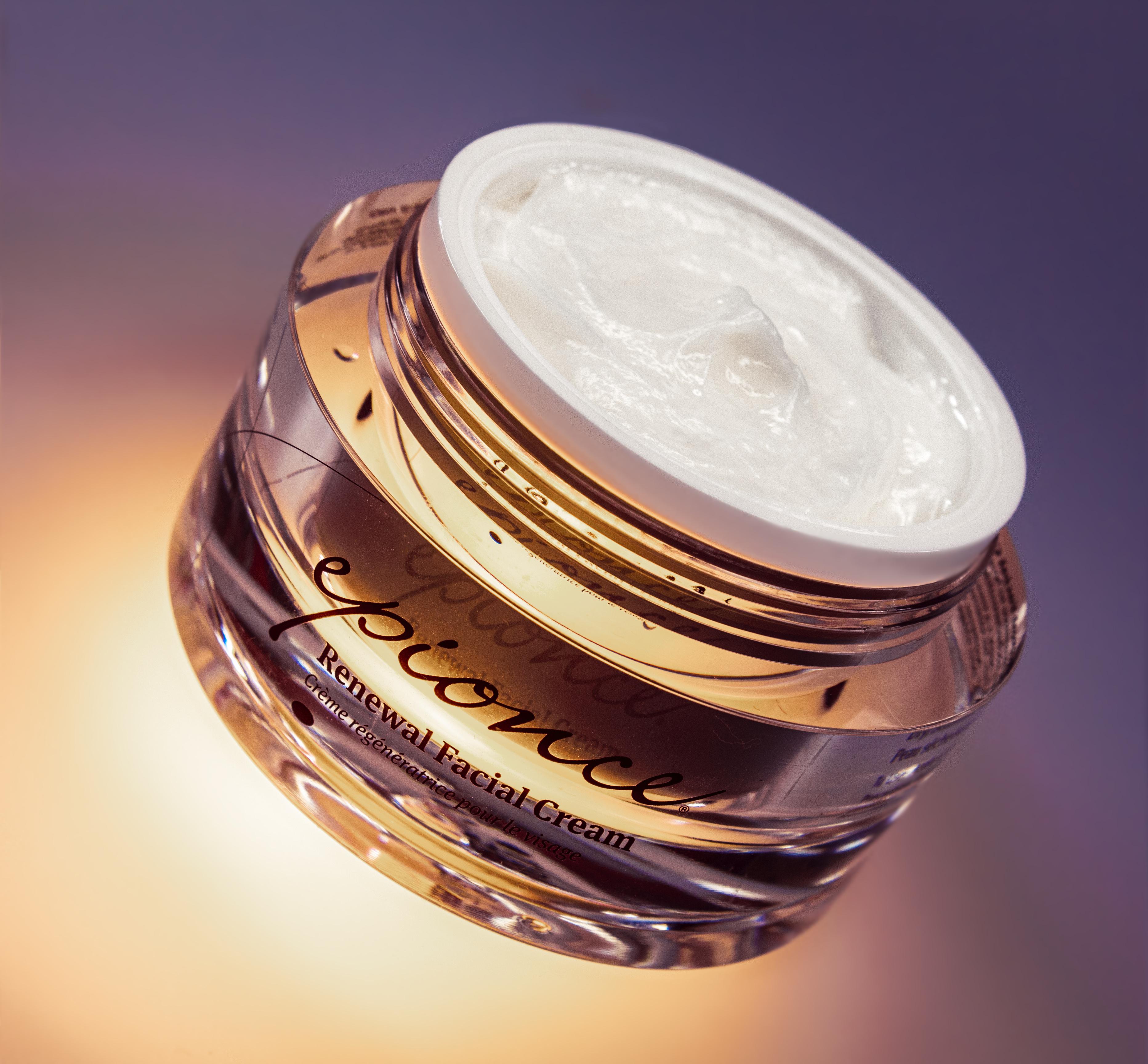
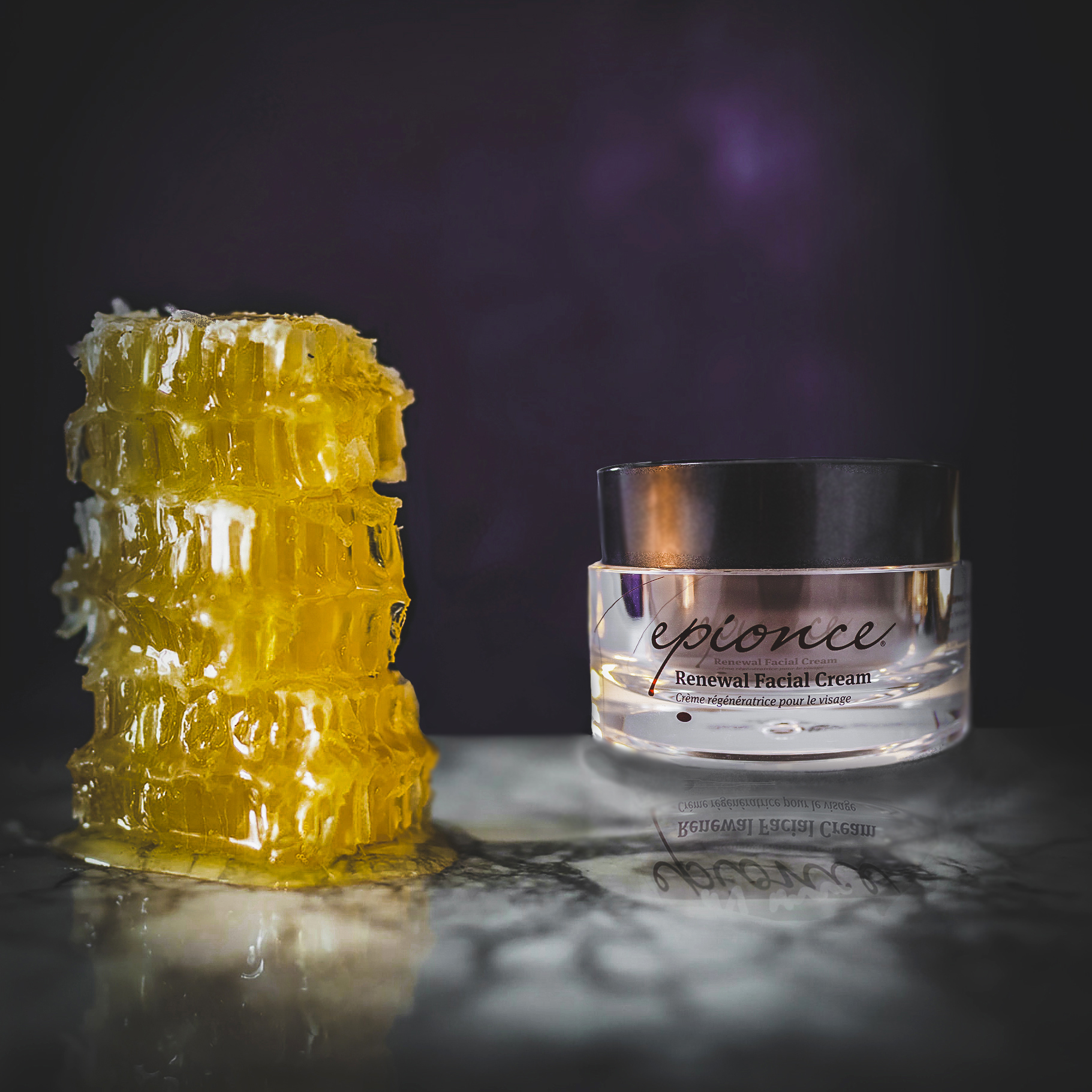
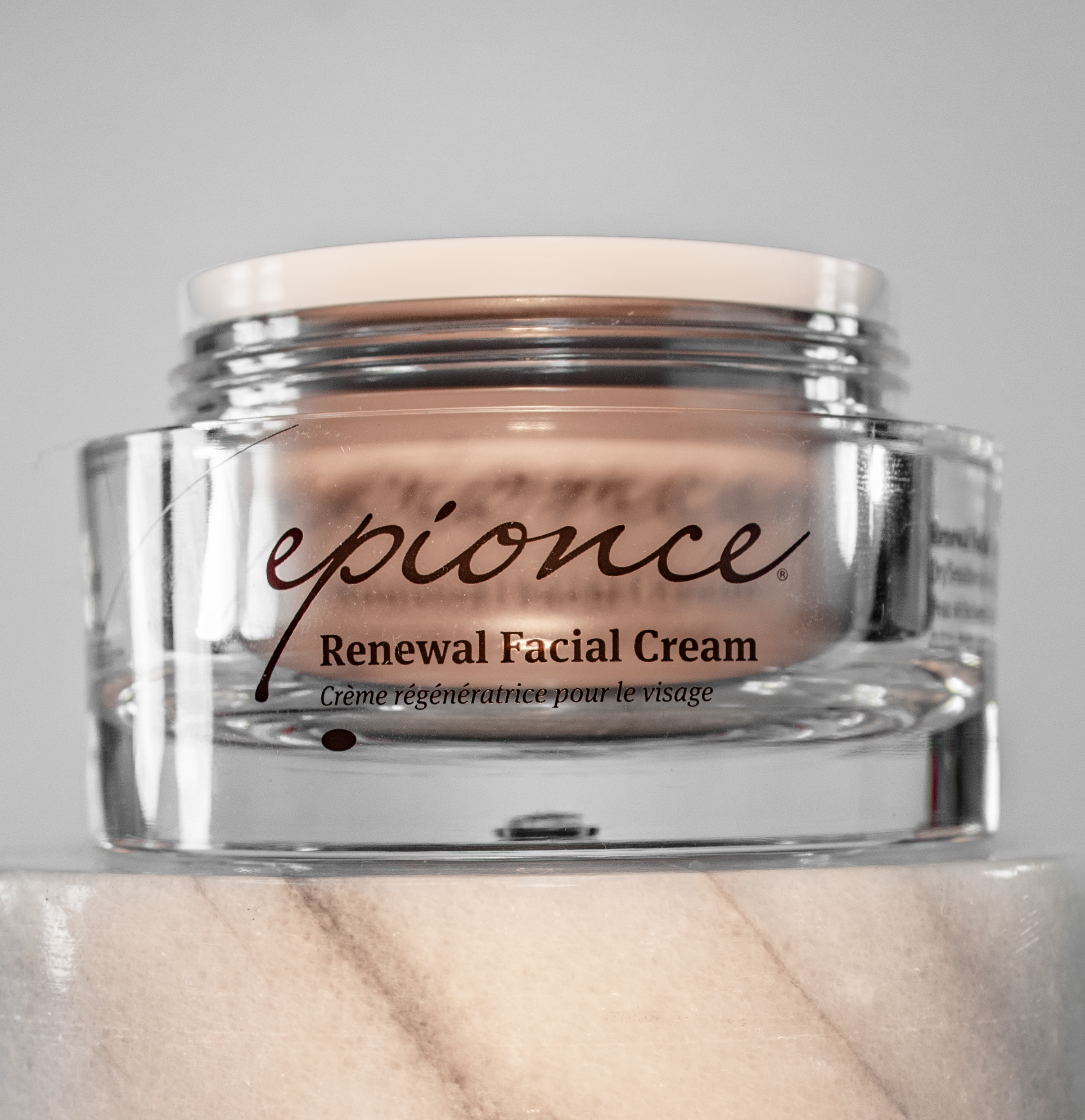
Epionce Renewal Facial Cream What to Know

July 17, 2022 · Leave a Comment

REVIEW: Epionce Renewal Facial Cream reduces signs of aging on dry sensitive skin. Sensitive skin often cannot tolerate the strong actives required to combat signs of aging. Epionce developed a formulation using natural ingredients to help sensitive skin tolerate this effective anti-aging product.

Epionce Renewal Facial Cream

Epionce Renewal Facial Cream

About Epionce Renewal Facial Cream

Epionce Renewal Facial Cream is the flagship product of the Epionce line.

Dr. Thornfeldt, Clinical Dermatologist and Founder of Episciences, and creator of Epionce, created a line of botanically-based skincare that rivals the results of aggressive chemical topicals but without the irritation.

Why It Is Special

Epionce Renewal Facial Cream is special because it provides an anti-aging cream for sensitive skin.

Unlike many aggressive topicals, it is formulated to provide skin barrier protection to combat environmental stressors.

This cruelty-free formulation uses several natural ingredients to protect, pamper and treat the skin.

Let’s take a look:

Key Ingredients

Beeswax heals damaged skin, refines texture, builds collagen, and deeply hydrates for beautiful skin

Beeswax

Beeswax is a bee by-product that softens the skin.

It has an occlusive quality to provide a barrier while retaining precious skin moisture.

It is a natural skin conditioner that stands up to wind, dry weather, cold winters, and hot summer sun.

Meadowfoam

Meadowfoam Seed Oil

Meadowfoam Seed Oil is a very stable oil that lubricates and can stay on the skin without leaving a residue after it is rinsed off.

Citrus Aurantium Dulcis (Orange) Peel Oil

Orange Peel has more Vitamin C than the fleshly orange fruit, almost double. It fights free radicals, removes blackheads and acne, and reduces wrinkles.

Orange Peel Oil is an antioxidant that reduces inflammation. It improves collagen production resulting in the reduction of dark spots and wrinkles.

The bacteria-fighting and inflammation reduction properties reduce acne without excess skin drying.

Orange Oil and Orange peel glossary definitions on StyleChicks.com

Orange Peel Oil improves collagen production

Safflower Seed Oil

Safflower

Safflower Seed Oil is high in Omegas 3, 6, and 9. It hydrates dry skin, soothes irritation, and enhances skin texture and appearance.

Safflower Seed Oil delays premature aging and tightens and brightens the skin.

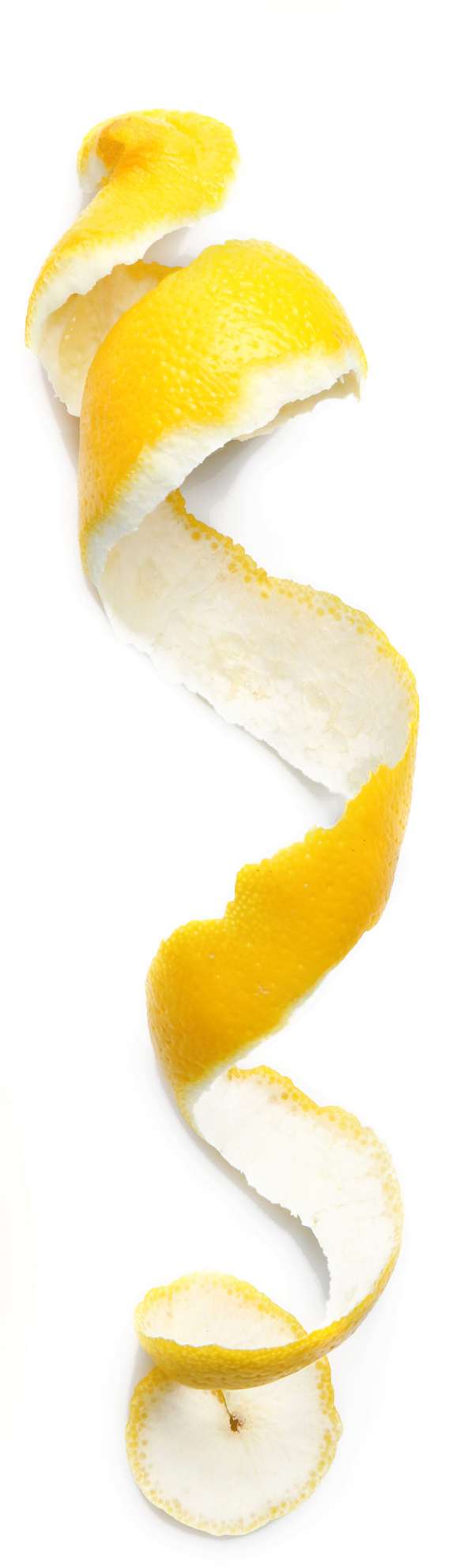
Citrus Limon (Lemon) Peel Oil

Lemon/Limon peel contains concentrated vitamin C to build collagen, fade age spots and rejuvenate photodamage. Vitamin C reduces excess oil production, shrinks pores, and exfoliates dead surface skin. These reduce the formation of adult acne while treating skin aging.

Lemon

Lemon Peel Oil is also a natural exfoliator and skin purifier. [1]It alleviates skin inflammation [2] and reduces certain infection-causing bacteria. [3]

Direct, undiluted application of lemon peel oil can be excessively drying to the skin, but it works well within a balanced formulation.

Quercetin

Quercetin is a polyphenol antioxidant and anti-inflammatory. It is found in red wine, green apples, green tea, and berries.

Malic Acid

Malic acid is an alpha-hydroxy acid for sensitive skin.

Gentler than Glycolic acid, it improves the appearance of fine lines, large pores, and skin texture.

Lavender Oil softens hair and skin

Lavender

Lavandula Hybrida (Lavandin) Oil

Lavender Oil softens and conditions the skin.

Lavender’s anti-microbial and anti-bacterial properties keep skin healthy. It has soothing properties to calm any imbalances such as inflammation or dry skin flaking.

The linalyl acetate in lavender enhances cell growth in the skin.

Flax

Linseed Oil comes from flax

Linseed Seed Oil

Linseed Oil comes from flax. It is very high in Omega-3s to soften and nourish the skin.

It promotes skin brightness, elasticity, firmness, and texture.

Olive oil

Olive Fruit Oil

Olive Fruit Oil moisturizes but won’t clog pores.

It has skin-enhancing Omega-3s and polyphenols, as well as Linoleic acid for an anti-inflammatory effect.

Olive Oil within a formulation removes the greasy feel of direct application.

Avocado Oil

Style Chicks Glossary of Skin and Hair Terms. Algae glossary definition on StyleChicks.com

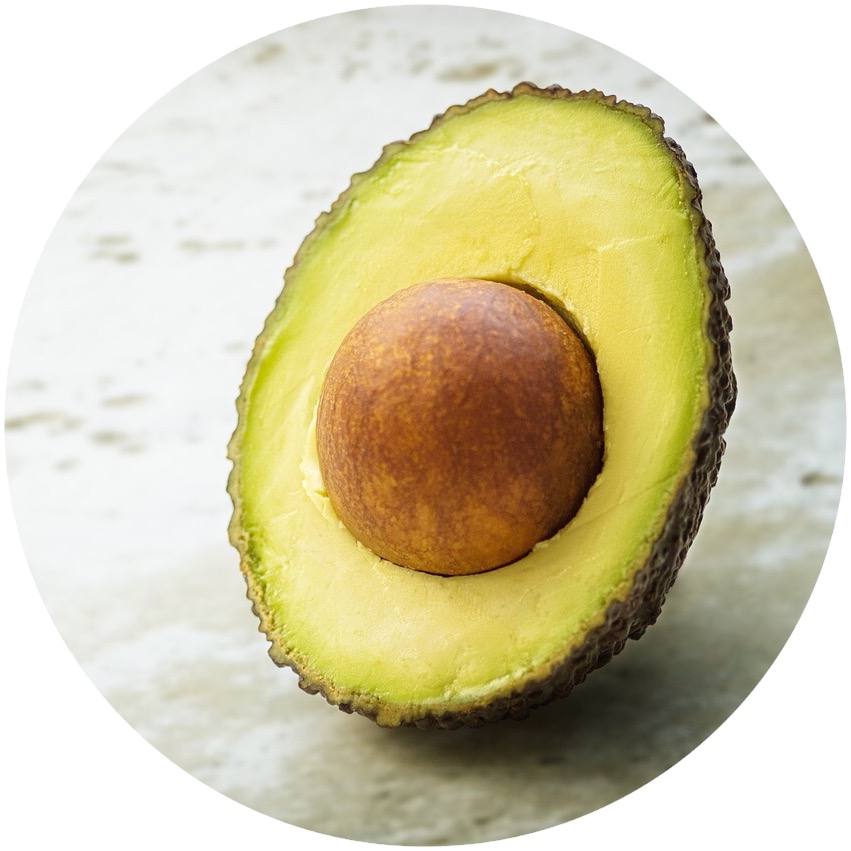
Avocado

Avocado Oil is 72% monounsaturated fatty acids. This is higher than Coconut or Grapeseed oils. Avocado Oil mixes with water better than other oils.

Avocado oil decreases dryness and improves the texture of the skin.

Rich in Omegas 3 and 6, Vitamins C, D, and E, Avocado Oil promotes scar healing and collagen production.[4]

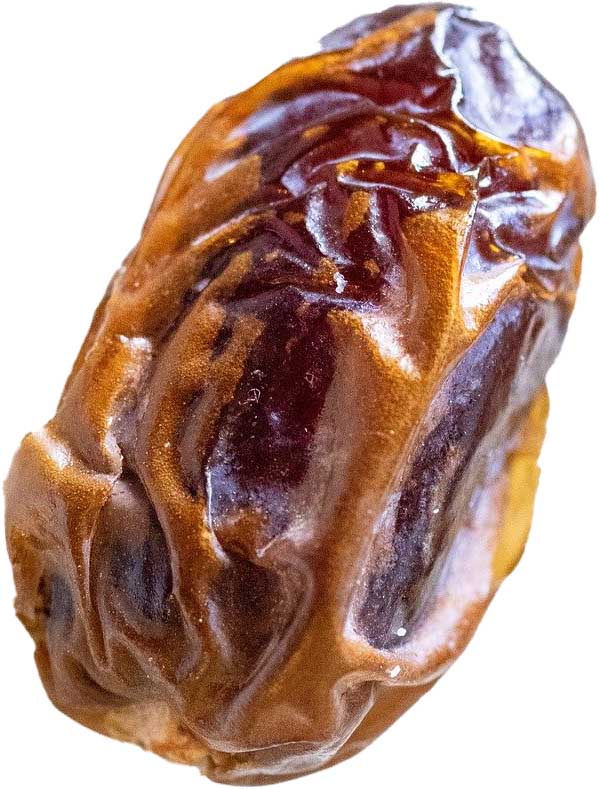
Date Fruit

Date Fruit Extract

Date Fruit Extract is better known as Date oil.

Date Oil revives dull, dry skin. It has the four fatty acids oleic, linoleic, lauric, and palmitic acid. These reduce moisture loss in the skin and lock in moisture.  It is also antimicrobial and antibacterial.

Date Fruit Extract is rich in vitamin B2 which promotes elasticity.

Date Oil contains copper and pantothenic acid (B5) which reduces premature aging of the skin.

Rosehip

Rosa Canina Fruit Oil

Rosa Canina Seed Oil is an emollient. It contains tocopherols (vitamin E) and carotenoids (pro-vitamin A) that give it some nice antioxidant properties.

Rosa Canina Seed Oil is a moisturizing plant oil loaded with skin-nourishing fatty acids (linoleic acid – 51%, linolenic acid – 19%, and oleic acid – 20%).

Rosehip Canina Seed Oil is high in Vitamins A, C, and E. They provide nutrients, fade acne scars and promote cell turnover.

Rosehip Canina Seed oil also has omega-6 and omega-3 fatty acids to soothe and moisturize eczema or dry skin. [5]

The Epionce Renewal Facial Cream Experience

It is a rich emollient texture but it does not leave behind a residue.

It spreads easily on the skin and absorbs well. It dries down without being greasy. There is a notable but pleasant scent. It leaves my skin soft and smooth.

texture

Where to Find Epionce Renewal Facial Cream

Find Epionce Renewal Facial Cream at https://www.epionce.com/product/renewal-facial-cream/


References

  1. Man, Adrian et al. “Antimicrobial Activity of Six Essential Oils Against a Group of Human Pathogens: A Comparative Study.” Pathogens (Basel, Switzerland) vol. 8,1 15. 28 Jan. 2019, doi:10.3390/pathogens8010015
  2. Anil Kumar Maurya, et al, “The essential oil from Citrus limetta Risso peels alleviates skin inflammation: In-vitro and in-vivo study”, Journal of Ethnopharmacology, Volume 212, 2018, Pages 86-94
  3. Hou, He-Shuai, et al. “Extraction of essential oil from Citrus reticulate Blanco peel and its antibacterial activity against Cutibacterium acnes (formerly Propionibacterium acnes).” Heliyon vol. 5,12 e02947. 2 Dec. 2019, doi:10.1016/j.heliyon.2019.e02947
  4. de Oliveira, Ana Paula, et al. “Effect of semisolid formulation of Persea Americana mill (avocado) oil on wound healing” Evidence-based complementary and alternative medicine: eCAM vol. 2013 (2013): 472382. doi:10.1155/2013/47238
  5. Grajzer, Magdalena, et al. “Characteristics of rose hip (Rosa canina L.) cold-pressed oil and its oxidative stability studied by the differential scanning calorimetry method.” Food chemistry 188 (2015): 459-466

Questions & Comments

Have any comments or questions about Epionce Renewal Facial Cream?

The Style Chicks are here to answer them.

Leave a comment below or Email Us


ABOUT THIS POST

Epionce Renewal Facial Cream was submitted to Style Chicks for consideration purposes.

The Style Chicks team personally tests and thoroughly evaluates each product before it is featured.

Style Chicks independently researches product ingredients to understand how every featured product works.

All opinions and experiences are 100% our own.

Posted by Style Chicks / Filed In: Beauty, Product Review, Skincare
Tagged: Anti-Aging, Dry Skin, epionce, Epionce Renewal Facial Cream

How to Best Use Mandelic Acid for Skincare Benefits

December 10, 2020 · 1 Comment

SKINCARE GUIDE for Mandelic Acid. What it is and how to use it.

Mandelic Acid is an ingredient worthy of your attention. It gets the results of a robust acid but with little to no skin irritation.

Got acne? Meet Mandelic Acid

Acne is the most common skin condition in the United States. Retinol is often used as an acne remedy. 

But peeling acids are also promising acne and acne scar treatments.

WHAT IS MANDELIC ACID?

 It is a clean beauty “natural” acne fighter. It also fades discoloration from acne scars to age spots.

Mandelic acid is a natural ingredient that comes from bitter almonds

Mandelic acid is a natural ingredient extracted from bitter almonds

  • It is a very gentle AHA (Alpha Hydroxy Acid).
  • It penetrates the skin slowly, making it suitable for even sensitive skin.
  • While it is an “acid” it rarely causes skin irritation.
  • It is natural, clean, green, and skin-friendly.
  • it is useful in organic skin care product formulations.

HOW MANDELIC ACID WORKS: ACNE TO ANTI-AGING

Mandelic acid accelerates cell turnover by dissolving the tiny bonds that hold skin cells together. This microexfoliation accomplishes several skincare objectives.

ACNE

Is Mandelic Acid a good acne treatment?

Yes! Mandelic acid is useful in acne treatment.

  • It bacteria-trapping dead skin, which contributes to acne formation. Dead skin also dulls the complexion and makes fine lines look worse. Removing dead skin cells brightens the skin.
  • It is anti-bacterial
  • an anti-fungal
  • an anti-inflammatory
  • If you have adult acne, Mandelic acid is ideal to treat both acne and signs of skin aging. [1]

ANTI-AGING

What are the anti-aging benefits of Mandelic Acid?

It has acid several anti-aging skincare benefits. Mandelic acid is:

  • helpful for smoothing mesh-like pattern wrinkles
  • promotes collagen production. More collagen increases skin’s elasticity and youthful appearance. Collagen counteracts sun damage by smoothing and refining the skin surface. Sun damage is the largest cause of visible signs of aging.
  • reduces hyperpigmentation. It lightens acne scars, sun damage, and age spots.
  • gentle enough to use it daily.

MANDELIC ACID VS GLYCOLIC ACID

Not sure which aHa is best for your skin? Here is a pros and cons list of benefits.

Which is better Mandelic or glycolic acid?

Similarities

Both acids:

  • are highly effective at causing rapid cell turnover.
  • reveal younger, smoother, brighter skin.
  • dissolve the “glue” holding dead skin cells.
  • remove dead skin cells without forceful scrubbing.
  • are ideal for skin unable to tolerate harsh exfoliants.
Differences

A difference between the acids is that Mandelic has a larger molecular structure than glycolic acid.

  • Smaller molecular structures like Glycolic acid penetrates the skin faster and deeper. [2]
  • The larger molecular structure of Mandelic gets the job done, just more slowly than glycolic acid does.

If your skin gets irritated by Glycolic acid, Mandelic is an ideal option. It is kinder to the skin.

There is little to no irritation and redness with regular use. [3]


Mandelic acid definition on Stylechicks
MANDELIC ACID TIPS FOR BEST USE

  • Skin using any acid are more sensitive to light. Always wear sunscreen
  • To avoid irritation, choose products with 10% or less Mandelic Acid concentrations
  • Don’t mix with other actives including retinol or other aHas.

HYPERPIGMENTATION

What acid will work best for hyperpigmentation on my yellow-tone skin?

Some hyperpigmentation fading ingredients work best on pink undertone skin. Mandelic Acid works on the hyperpigmentation of all skin tone types.

How does it fix dark spots?

It inhibits melanin production in existing scars, age spots, and acne marks. [4]  This reduces hyperpigmentation of all types on all skin tones.

Summary

Mandelic Acid earns our “Holy Grail Ingredient” rating because it can:

  • reduce sun damage, acne, and hyperpigmentation.
  • gently exfoliate and improve skin texture. 
  • work on all skin tones and textures, including mature and sensitive skin.
  • It is also natural and suitable for organic product formulations.

It is a Style Chicks skincare superstar!

Mandelic Acid is a great addition to a natural ingredient, organic skin care plan.

a natural ingredient that comes from bitter Almonds

About Skincare Ingredient Guides

Was this Skincare Ingredient Guide helpful? Then you may like other Ingredient Guides such as:

  • Red Raspberry Seed Oil
  • Black Cumin Seed Oil
  • Rosehip Seed Oil

Find more natural ingredients in the Style Chicks Defining Beauty Glossary. The Defining Beauty Glossary contains many helpful hair and skin care ingredients plus skincare guides for best use and maximum benefits.

Want to know more about natural ingredients that support Collagen type III production? Read about Shisiedo’s Groundbreaking study in this article.

Thinking about jumping starting your collagen enhancement with an at-home skin device?

You may enjoy reading our interview with ENDYMED, the makers of the FDA-approved NEWA device in our article entitled “ENDYMED ANSWERS QUESTIONS ABOUT NEWA AT-HOME SKIN-TIGHTENING”


REFERENCES

  1. Debowska, Renata & Kaszuba, Aleksandra & Michalak, Iwona & Dzwiga‚owska, Agata & Cie›ci„ska, Czanita & Jakimiuk, El bieta & Zielia„ska, Joanna & Kaszuba, Andrzej. (2015). Evaluation of the efficacy and tolerability of mandelic acid-containing cosmetic formulations for acne skin care. Dermatology Review. 4. 316-321. 10.5114/dr.2015.53419.
  2. Garg VK, Sinha S, Sarkar R. Glycolic acid peels versus salicylic-mandelic acid peels in active acne vulgaris and post-acne scarring and hyperpigmentation: A comparative study. Dermatol Surg 2009;35:59-65.
  3. Taylor MB. Summary of mandelic acid for the improvement of skin conditions. Cosmet Dermatol 1999;12:26-8
  4. Kessler E, Flanagan K, Chia C, Rogers C, Glaser DA. Comparison of alpha- and beta-hydroxy acid chemical peels in the treatment of mild to moderately severe facial acne vulgaris. Dermatol Surg 2008;34:45-50.

Posted by Style Chicks / Filed In: Ingredient Guides
Tagged: AHA, Anti-Aging, How best treat acne, Ingredient Overview, Mandelic Acid, mandelic skincare benefits, Skincare

  • Newer Entries
  • 1
  • 2
  • 3
  • 4
  • …
  • 14
  • Previous Entries

Search Style Chicks

Pages

  • About the Style Chicks
  • Contact Us
  • Discontinued Clinique Products Guide Lost Clinique You Love
  • The Best Beauty Ingredients You Will Love Glossary Guide

Review + Guide Topics

  • Accessories
  • Adult Acne
  • Anti-Aging
  • Beauty
  • Beauty Expert Advice
  • Beauty Tools + Devices
  • Better Beauty Sleep
  • Black Friday & Cyber Monday
  • Body
  • Clean Beauty
  • Cosmetics
  • Curly Hair Care
  • Decor
  • Discontinued Products
  • Entertaining
  • Essential Oils
  • Exercise
  • Fashion
  • Featured
  • Food
  • For the Home
  • Fragrance Free
  • Gadgets
  • Gifts
  • Green Beauty
  • Gym Beauty Bag
  • Hair
  • Hair Care Devices & Tools
  • Hair Growth
  • Hair Growth Devices
  • Haircare
  • Health
  • How to
  • How to…
  • Ingredient Glossary
  • Ingredient Guides
  • J-Beauty
  • Jewelry
  • K-Beauty
  • Life Hacks
  • Lifestyle
  • Makeup
  • Makeup Tools & Brushes
  • New Products
  • News
  • Organic
  • Pre-Shampoo Hair Treatments + Conditioning Remedies
  • Product Review
  • Product Updates
  • Science of Beauty
  • Science of Skincare
  • Sensitive Skin
  • Sephora
  • Shoes!
  • Skin Tools & Devices
  • Skincare
  • Spa Economy
  • Style
  • Tea
  • Technology
  • Things I want
  • Travel
  • Unscented
  • Vanity Table
  • Waterless Beauty
  • Weddings

Welcome to Style Chicks

Since 2007, we are your trusted source for expert hair and skincare reviews, in-depth ingredient guides, and info on hard-to-find and discontinued beauty products. Whether you're looking for smarter skincare choices, hair growth options, clean beauty cosmetics reviews, ingredient glossary, better beauty sleep, hair care tips, beauty how-to guides or trying to track down your holy grail favorite, we’ve got you covered.


Copyright © 2007 - 2026 STYLE CHICKS