• Ingredient Glossary & Guides
    • The Best Beauty Ingredients You Will Love Glossary Guide
    • Skincare Ingredient Guides
  • Beauty
    • Better Beauty Sleep
    • Beauty Expert Advice
    • Clean Beauty
    • Cosmetics
    • How to…
    • Discontinued Clinique
    • Makeup Tools & Brushes
    • Science of Beauty
  • Haircare
    • Hair Growth
    • Hair Growth Devices
    • Hair Maintenance Products
    • Hair Styling Tools
    • Haircare Tools
  • Skincare
    • Adult Acne
    • Anti-Aging
    • Skin Devices & Topicals
    • Skin Tools & Devices
    • Science of Skincare
    • Waterless Beauty
  • Contact
  • About
    • About Our Features: How Our Product Reviews are Unique
    • Disclaimer
    • Disclosures
    • Privacy Policy
    • Terms of Use

Style Chicks

Expert Beauty Reviews | Skincare Ingredient Guides

You are here: Home / Archives for Ingredient Guides

BAKUCHIOL: What it is + The Skin Benefits We LOVE

May 19, 2025 · Leave a Comment

Bakuchiol is known to make skin look younger because it acts like retinol but without the irritation. Can Bakuchiol really make skin look young?

Read this Bakuchiol Guide: What it Is + The Skin Benefits We Love

About Bakuchiol

Bakuchiol comes from the leaves and seeds of the babchi plant. It is also called babchi. It is a plant-based phenol that decreases wrinkles and hyperpigmentation. Studies show that gentle, natural bakuchiol holds its’ own against Retinol. Structurally, babchi is nothing like retinol. While it can technically cause redness and irritation, it is rare.

Unlike retinol, you can use it during the day. It is still important to use sunscreen.


Why Use Bakuchiol Not Retinol

Retinol is the gold standard of skincare ingredients. It quells acne, age spots, and wrinkles. It leaves skin dewy, refined, refreshed, and younger. But before the dewy, youthy, fabulous skin phase, there’s the dreaded irritated skin phase. And for those of us with sensitive skin that phase of retinol use is torture. In fact, many stop using retinol altogether because they cannot tolerate that phase of intense skin irritation. There are some ways how to buffer retinol for sensitive skin:

  1. Applying a moisturizer first, wait 10 minutes then apply retinol.
  2. Use Retinol only for a few hours then washing it off is another option.
  3. A third option is using retinol only one or two nights a week.
  4. Some prescription retinols, such as Atralin, contain built-in buffers that allow many sensitive skin types to finally experience retinol.
  5. Some over the counter retinol products contain buffers to soothe irritation.

But some people prefer a natural alternative with less fuss.

Bakuchiol Skin Benefits We Love

  • Bakuchiol is a natural retinol alternative. It is non-irritating.
  • It improves photoaging, wrinkles, and hyperpigmentation equally as well as retinol, but is better tolerated. [1]
  • Stimulates collagen within the skin, as well as significant improvement in wrinkles, pigmentation, elasticity, and firmness without the retinol-associated side effects. [2]
  • Inhibits melanin production on age spots and acne scars [3].
  • Treats acne without skin peeling or redness.[4]
  • NEW Moms: Ask you doctor about Bakuchiol use. It may be okay during pregnancy or while you are breastfeeding (retinol is NOT considered safe for either – so plan accordingly).
bakuchiol is an alternative to prescription retinol Prescription Retinols such as Atralin have built-in buffering ingredients that may help some sensitive skin types tolerate retinol use. Others prefer natural ingredient alternatives. [/caption]

Bakuchiol Research Studies

“Our study demonstrates that bakuchiol is comparable with retinol in its ability to improve photoaging and is better tolerated than retinol.” [5]

One randomized, double-blind, clinical study compared retinol and bakuchiol. There was no statistical difference between how each decreased wrinkles and hyperpigmentation. But the retinol users reported facial skin scaling and stinging. [6] A second study confirmed the Retinol-like functionality of bakuchiol. It also documented the stimulation of collagen within the skin. Bakuchiol was used twice a day for 12 weeks. The result was a significant improvement in wrinkles, pigmentation, elasticity, and firmness without the retinol-associated side effects. [7]

FeatureRetinolBakuchiol
Anti-aging effectivenessProven to stimulate collagen, smooth wrinkles and improve texture Comparable benefits (wrinkle reduction, elasticity, pigmentation) in clinical trials
Skin toleranceCan cause redness, dryness, peeling, irritation, and sun sensitivityGentler alternative; typically low irritation, suitable for sensitive skin
PhotosensitivityIncreases sun sensitivity must be used at night with SPFStable under sunlight, safe for morning use, no added photosensitivity
Suitability during pregnancyNot recommended during pregnancy or breastfeeding (Vitamin A derivative)Considered safe during pregnancy (no retinoid structure) though discuss with your doctor
Speed & potencyFast-acting and potent; noticeable results in weeks but harsher Generally milder and slower; may take longer for visible results
Research & track recordExtensively studied for decades well-established effects and risksPromising clinical results and growing evidence, but shorter history in skincare
Daytime use & integrationRestricted to nighttime; incompatible with many other activesCan be layered with other ingredients, including daytime routines; adaptable integration
Pros and Cons Benefit Chart

Recommended Clean Beauty Skincare with Bakuchiol Benefits

We previously featured two Bakuchiol clean beauty skincare products:

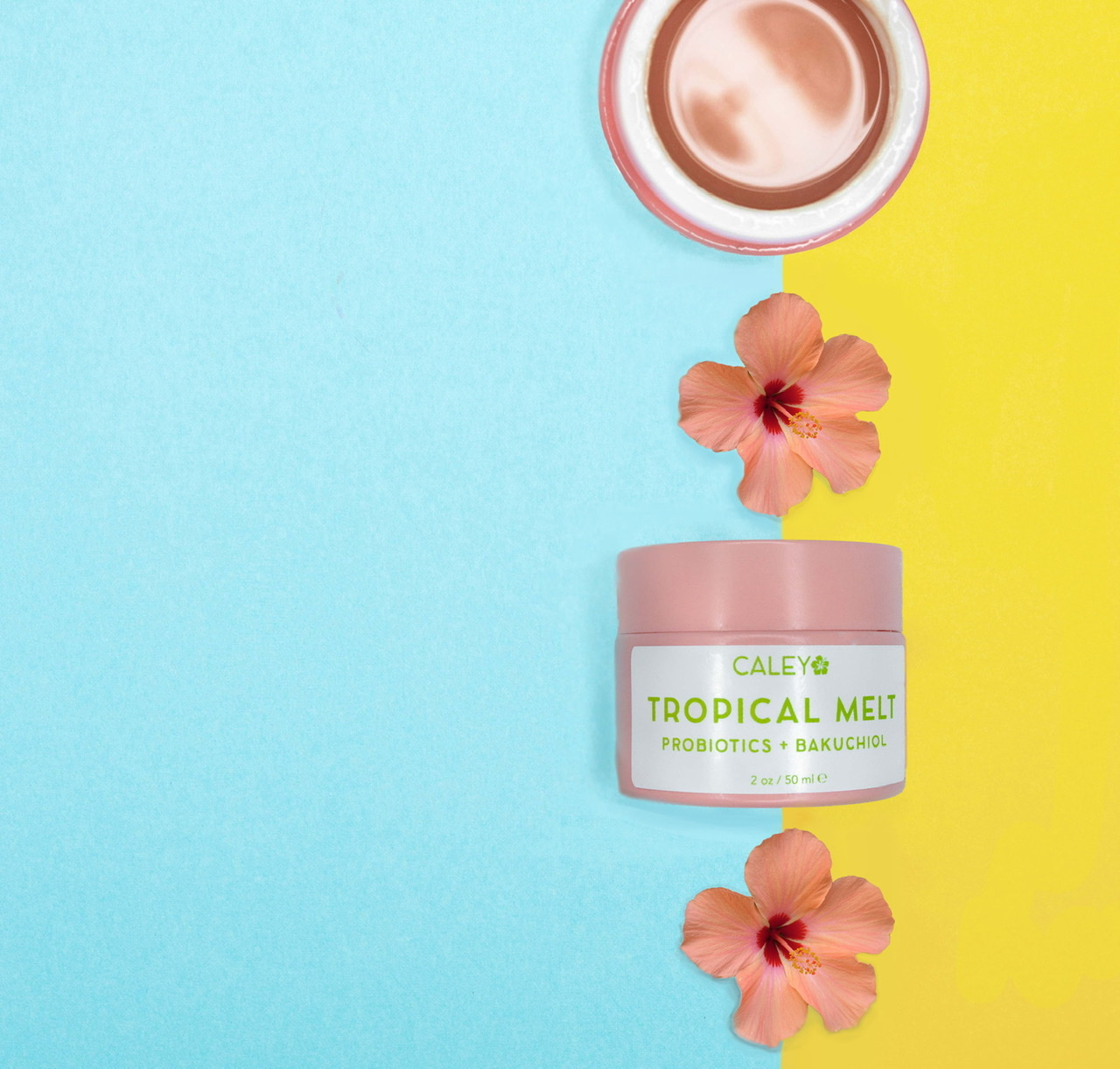
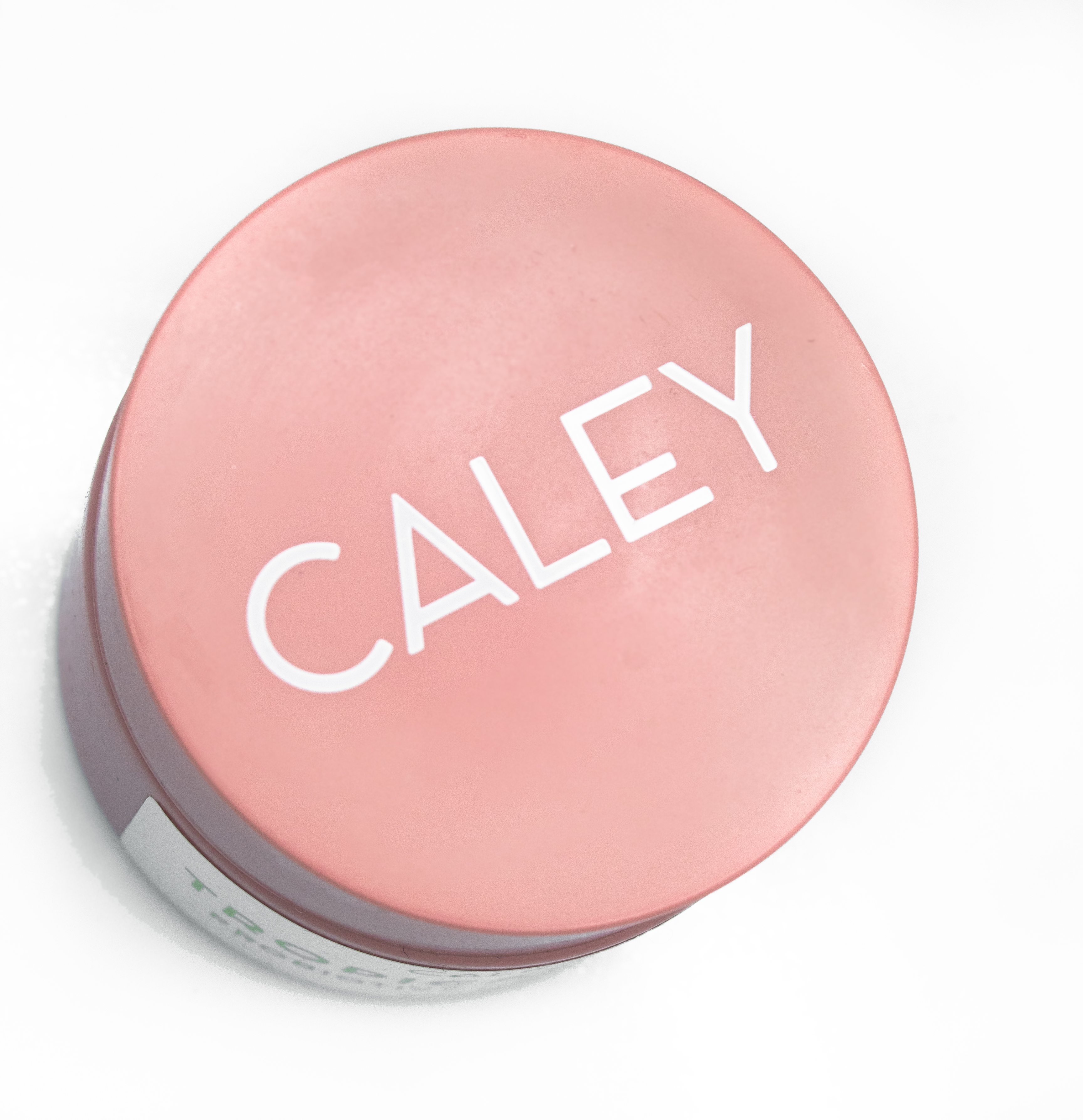
  • Caley Cosmetics Tropical Melt
  • Morganna’s Alchemy 24K Carrot Glow

Both give Retinol results without retinol irritation.

24K Carrot Glow also contains Astaxanthin. Astaxanthin is a clean ingredient that helps skin with premature aging and photo damage (sun damage).

Tropical Melt contains probiotics to clear acne prone skin. Both are great clean beauty skincare options depending on your specific primary skin condition.

About Tropical Melt with Bakuchiol

Caley Cosmetics Tropical Melt is an excellent multi-tasker to address wrinkles, acne, discoloration, and acne. Apply this multi-tasking balm to damp skin and use it as a cleanser, makeup remover, mask, or leave-on treatment. We love the retinol results AND how skin still feels so supple, hydrated, and smooth!

Caley Cosmetics Tropical Melt

More from Caley Cosmetics

Here are some of the other Caley Cosmetics skincare and makeup we love:

Caley Cosmetics Beach Babe Natural Eyes Eyeliner
Why Caley Cosmetics Beach Babe NATURAL EYES Eyeliner is Special


Find Clean Beauty Skincare options featuring Bakuchiol like Caley Cosmetics Tropical Melt

References

  1. Dhaliwal, S.; Rybak, I.; Ellis, S.R.; Notay, M.; Trivedi, M.; Burney, W.; Vaughn, A.R.; Nguyen, M.; Reiter, P. (February 2019). “Prospective, randomized, double-blind assessment of topical bakuchiol and retinol for facial photoageing”
  2. British Journal of Dermatology. 180 (2): 289=296. doi:10.1111/bjd.16918. ISSN 0007-0963. PMID 29947134.
  3. Chaudhuri RK, Bojanowski K. Bakuchiol: a retinol-like functional compound revealed by gene expression profiling and clinically proven to have anti-aging effects. Int J Cosmet Sci. 2014 Jun;36(3):221-30. doi: 10.1111/ics.12117. Epub 2014 Mar 6. PMID: 24471735.
  4. Ohno O, Watabe T, Nakamura K, Kawagoshi M, Uotsu N, Chiba T, Yamada M, Yamaguchi K, Yamada K, Miyamoto K, Uemura D. Inhibitory effects of bakuchiol, bavachin, and isobavachalcone isolated from Piper longum on melanin production in B16 mouse melanoma cells. Biosci Biotechnol Biochem. 2010;74(7):1504-6. doi: 10.1271/bbb.100221. Epub 2010 Jul 7. PMID: 20622433.
  5. Dhaliwal, S.; Prospective, British Journal of Dermatology, 2019
  6. Ibid
  7. Chaudhuri, Bakuchiol, Int J Cosmet Sci. 2014

ABOUT THIS POST

These Caley Cosmetics and Morganna’s Alchemy products were both originally submitted to Style Chicks for consideration purposes. All opinions and experiences are 100% our own. See details in the original product reviews. All Ingredient Guide research is our own. If you have any questions, comments or suggestions for this Ingredient Guide, please contact us. We’d love to hear your thoughts!

Find Clean Beauty Skincare options featuring Bakuchiol like Caley Cosmetics Tropical Melt[/caption]

Posted by Style Chicks / Filed In: Beauty, Ingredient Guides, Sensitive Skin, Skincare
Tagged: Anti-Aging, Bakuchiol, Ingredient Guide, Skin, Skincare

How Aloe Vera Can Make Your Skin’s Collagen Better

April 8, 2025 · Leave a Comment

We all know Aloe Vera can soothe a sunburn or help heal a scraped knee. But exciting research now explains how this well-known wound healer can improve the appearance of skin, namely by ramping up Collagen type III production, enhancing elastin, and restoring moisture to dry, hardened skin.

About Aloe Vera Gel

Did your Grandma keep an Aloe Vera plant in her kitchen? This folklore remedy has been used for a variety of skin conditions ranging from bug bites to sun burn. But this humble plant boasts big beauty benefits.

Aloe Vera gel contains over 75 nutrients to feed the skin. Two important nutrients for younger looking skin are Glucomannan and Amino Acids.

Glucomannan is a big part of why Aloe gel is such a great healer. It is also why Aloe can produce younger looking skin.

THE RESEARCH: Collagen Production and Aloe Vera

Aloe Vera contributes to collagen regeneration which is helpful in wound healing.

Topical Aloe Vera gel application causes its’ Glucomannan to interact with skin fibroblasts. That significantly increases collagen synthesis. [1]

But here is the best part:

Studies show aloe gel not only increased the collagen in a wound, but changed the collagen composition to increased collagen type III.

Collagen type III is also known as “baby collagen”. Baby collagen is the best kind of collagen for youthful skin. We lose Collagen type III with age.

Studies also show topical Aloe gel application increased the degree of collagen cross linking. This contracts the skin. Another benefit is it also increases hyaluronic acid synthesis. [2]

What does that mean?

  • Aloe Vera gel on a wound causes optimal scar tissue healing (smaller, tighter, smoother scars)[3]
  • Aloe Vera gel on skin can increase collagen III and hyaluronic acid – two sources of youthful skin

I am SO slathering my face and throat with Aloe gel now.

Moisturizing and anti-aging Benefits

Mucopolysaccharides help in binding moisture into the skin.

Aloe stimulates fibroblast also stimulates elastin fibers. Elastin gives skin its springy bounce back. The more elastic the skin is, the less wrinkled.

It also has cohesive effects on the superficial flaking epidermal cells by sticking them together, which softens the skin.

Aloe Vera, also known as Aloe barbadensis miller, contains ample Amino acids. These amino acids soften hardened skin cells.

One study found wearing aloe vera gel gloves “improved the skin integrity, decreases appearance of fine wrinkle and decreases erythema”. [4]

Summary of How Aloe Vera Can Make Your Skin’s Collagen Better

Topical Aloe Vera gel application can stimulate key younger skin components which we lose with age: collagen type III, elastin, and hyaluronic acid. The Amino acids in Aloe gel can soften hardened skin and improve chronically dry skin, along with decreasing fine wrinkle appearance.

Was this Ingredient Overview helpful? Then you may like other Ingredients Overviews such as:

  • Red Raspberry Seed Oil
  • Black Cumin Seed Oil
  • Rosehip Seed Oil

Find more natural ingredients in the Style Chicks Defining Beauty Glossary. The Defining Beauty Glossary contains many helpful hair and skin care ingredients.

Want to know more about natural ingredients that support Collagen type III production? Read about Shisiedo’s Groundbreaking study in this article.

Thinking about jumping starting your collagen enhancement with an at-home skin device?

You may enjoy reading our interview with ENDYMED, the makers of the FDA-approved NEWA device in our article entitled “ENDYMED ANSWERS QUESTIONS ABOUT NEWA AT-HOME SKIN-TIGHTENING”


References

  1. Chithra R Sajithlal GB, Chandrakasan G. Influence of aloe vera on collagen characteristics in healing dermal wounds in rats. Mol Cell Biochem. 1998;181:71–6.
  2. Heggers J, Kucukcelebi A, Listengarten D, Stabenau J, Ko F, Broemeling LD, et al. Beneficial effect of aloe on wound healing in an excisional wound model. J Altern Complement Med. 1996;2:271–7.
  3. Chithra P, Sajithlal G, Chandrakasan G. Influence of aloe vera on the glycosaminoglycans in the matrix of healing dermal wounds in rats. J Ethnopharmacol. 1998;59:179–86.
  4. West DP, Zhu YF. Evaluation of aloe vera gel gloves in the treatment of dry skin associated with occupational exposure. Am J Infect Control. 2003 Feb;31(1):40-2. doi: 10.1067/mic.2003.12.

Posted by Style Chicks / Filed In: Ingredient Guides, Science of Skincare, Skincare
Tagged: Aloe Vera, Anti-Aging, Baby Collagen, Collagen III, Collagen production, Skincare

Why Use beta Hydroxy Acids bHAs for Better Skin

October 26, 2024 · Leave a Comment

Beta Hydroxy Acids or bHAs, are less well-known than their aHA counterparts. But they are just as useful for treating several skin conditions. Beta Hydroxy Acids are excellent for reducing adult acne, enhancing gentle skin exfoliation, and correcting an uneven skin tone. Despite their prevalence in skincare formulations, many do not know how to get the most benefit from bHAs. Can bHA help your skin concerns? Discover more about how to use Beta Hydroxy Acids.

What are Beta Hydroxy Acids?

Beta-hydroxy acid (bHA) is a form of oil-soluble exfoliant which is derived from fruit, plant or milk sugars.

It is most commonly used in skincare to treat acne, fine lines and wrinkles, blackheads, dullness, and photoaging.

bHAs are often gentler than aHAs and have some extra anti-bacterial benefits.

How do Beta Hydroxy Acids Work?

As a general rule, bHAs are particularly good at clearing out a pore or deep cystic acne without excessive irritation to the surface of the skin.

BHAs are a type of exfoliant that is lipid soluble. This is useful because as they penetrate deep into the pores, they can break up and remove oily debris such as dirt, excess sebum, or dead skin cells. This makes bHAs super effective on certain types of acne. They are also highly effective on counteracting the effects of photoaging [1].

What are some types of beta Hydroxy Acids?

You are likely most familiar with the most commonly known bHA in skincare: salicylic acid. But there are several forms of bHAs.

Salicylic acid is most helpful to unclog pores and reduce inflammation. It is particularly effective on stubborn adult acne and cystic acne. [2]

Over-the-counter preparations contain two percent or less Salicylic Acid. These levels do not cause the itchy dryness and inflamed peeling that often occur with Benzoyl Peroxide or Retinol, especially when used as a spot application.

Salicylic Acid preparations as high as 30% are used by professionals as an in-office chemical peel treatment. [3] This should only be undertaken by a trained professional.

There are also substances related to salicylic acid or salicylic acid derivatives. These include beta-lipo-hydroxy acid (LHA), salicylate, sodium salicylate, and willow extract.

Read more about the benefits of salicylic acid in this article.

Not impressed with salicylic acid? You got options.

Other less well-known types of Beta Hydroxy Acids used in skincare formulations include:

Beta hydroxybutanoic acid

Beta hydroxybutanoic acid is derived from sugar beets.

It is like a kinder gentler version of salicylic acid.

If your skin is sensitive AND you have acne, Beta hydroxybutanoic acid is a good option.

Trethocanic acid

Trethocanic acid is an acid derived from pine bark.

It is similar to salicylic acid, but more robust.

If your acne is severe and not responding to standard remedies, trethocanic acid is the “big guns” of the bHAs.

Citric Acid

Citric acid is a fruit-based acid that helps clear dead skin cells. It is often used within formulations to enhance the penetration of active ingredients.

This especially enhances the treatment capabilities of ingredients geared towards addressing signs of photoaging.

Citric acids are generally less irritating than other comparable acids such as glycolic acid. Yet one study found that applying citric acid regularly for three months produced changes similar to those observed with retinoic acid. Notably, an increase in epidermal and dermal “glycosaminoglycans and viable epidermal thickness“. [4]

Some of Our Favorite BHA’s

Kat Burki Power Trio Radiance Oil

Combining just three oils, this treatment features Raspberry Oil which contains Salicylic Acid. I find it pairs nicely with the other restorative and hydrating oils to keep my skin in balance when I am not experiencing active breakouts.

Kat Burki Power Trio Radiance Oil contains a gentle salicylic acid from Red Raspberry Seed Oil


Neutralyze Exfoliating Pads

These mean business. It combines Salicylic and Mandelic Acids with Nitric Oxide for serious purging power. Not for the faint of heart: I had to discontinue retinoids during use, and use extra moisturizer, but it sure cleared up my stubborn blackheads fast.


Clinique Acne Solutions Clinical Clearing Gel

Specifically suited for stubborn adult cystic acne, a thin layer of this unscented gel formula dries down clear and virtually undetectable for daytime use. After trying numerous salicylic acid gel formulas, I was amazed at how fast this gentle formula worked.


Read our full review and how to use Clinique Acne Solutions Clearing Gel

When Revivifying Ultimate Cream

Now here is a surprise appearance by BHA: in a decadent, moisturizing cream. But I find the light use of bHAs wisks away dry skin flakes to prepare the skin to best absorb the skin-loving brown algae (whuch contains polyphenols, amino acids, vitamins A, B, C, and E) plus mango seed and cocoa butters. My skin appears brighter. This cream is an amazing antioxidant that reduces wrinkles and revives skin.

When Revivifying Ultimate Cream with Seanol

What are the benefits of using Beta Hydroxy Acids?

BHAs have a range of benefits for the skin, making them a great addition to any skincare routine. Here are some of the most notable benefits:

bHA treats Scalp Issues Affecting Hair Health

Healthy hair starts with a healthy scalp. bHAs’s cell turnover capabilities make useful treatments for a variety of scalp conditions including dandruff, seborrhea and even psoriasis. Salicylic acid helps loosen the “glue” of dry or scaly skin. bHAs also tend to smell better than many medicinal shampoos used to treat these conditions.

BHA Prevents & Treats Acne

Salicylic acid, trethocanic acid, and Beta hydroxybutanoic acid are all highly effective at treating and preventing acne. They work by penetrating deep into the pores to dissolve excess oil and dead skin cells, which are the primary causes of acne. This also helps clear blackheads and the ever-tricky whiteheads.

BHA has more antibacterial properties than aHAs.

BHA Counteracts Dull Skin

BHAs are excellent exfoliants, clearing away dead skin cells that can harbor bacteria and help form blemishes. Even if you are not acne-prone, dead skin cells can dull a complexion. BHAs helps to prevent acne and promote a smoother, more even skin texture.

Evens out skin tone

BHAs improve skin texture and elasticity by promoting cell turnover.

BHAs can help to even out skin tone and reduce the appearance of dark spots and hyper-pigmentation. They work by exfoliating the top layer of the skin to reveal fresher, brighter skin underneath.

If your only skin issue is skin tone, aHA’s such as glycolic acid work faster at brightening the skin.

How to use Beta Hydroxy Acids in your skincare routine

If you’re looking to incorporate BHAs into your skincare routine, there are three important rules:

1. Always use a broad-spectrum sunscreen

BHAs can make the skin more sensitive to the sun, it’s essential to use a broad-spectrum sunscreen to protect the skin from UV damage.

2. Start slowly with low doses

BHAs can be strong, so start slowly, using a BHA product only once a week to start. Use spot treatments whenever practical. Remember to keep skin well moisturized.

3. Avoid combining acids or using other exfoliants

A good HA should replace a grainy exfoliant or exfoliating with a washcloth, especially on mature skins.

Using multiple exfoliants can be too harsh for the skin, so it’s best to avoid using BHAs with other exfoliants like AHAs (Alpha Hydroxy Acids) or physical exfoliants like scrubs.

Some combinations of aHA and bHA formulations are very effective but avoid experimenting with mixing and matching on your own acid cocktails.

Summary of What You Need to Know Before Using Beta Hydroxy Acids (BHAs)

Beta Hydroxy Acids unclog pores, exfoliate the skin, and promote a more even skin tone.  Salicylic acid is one of the few ingredients capable of treating adult acne without being too drying on mature skin.

If you’re new to BHAs, start slowly and be sure use moisturizer and sunscreen to keep your skin healthy and hydrated.

Was this article helpful? Then you may enjoy our Science of Skincare series exploring other ingredients such as Black Cumin Seed Oil , Watercress, and Rosehip Seed Oil.

Find more skin-friendly ingredients in the Style Chicks Defining Beauty Glossary. The Defining Beauty Glossary contains many helpful ingredients for hair and skin care.


References

  1. Kornhauser, Andrija et al. “Applications of hydroxy acids: classification, mechanisms, and photoactivity.” Clinical, cosmetic and investigational dermatology vol. 3 135-42. 24 Nov. 2010, doi:10.2147/CCID.S9042
  2. Bari AU, Tolerance and safety of superficial chemical peeling with salicylic acid in various facial dermatoses. Indian J Dermatol Venereol Leprol. 2005 Mar-Apr;71(2):87-90.
  3. Kessler E, Flanagan K, Chia C, Rogers C, Glaser DA. Comparison of alpha- and beta-hydroxy acid chemical peels in the treatment of mild to moderately severe facial acne vulgaris. Dermatol Surg 2008;34:45-50.
  4. Bernstein EF, Underhill CB, Lakkakorpi J, et al. Citric acid increases viable epidermal thickness and glycosaminoglycan content of sun-damaged skin. Dermatol Surg. 1997;23(8):689–694.

Posted by Style Chicks / Filed In: Beauty, Ingredient Guides
Tagged: Acne, Anti-Aging, Beta Hydroxy Acids, Skincare

Saccharomyces Ferment: How to Best use for Skincare Benefits

January 17, 2023 · Leave a Comment

Probiotics and Postbiotics are trending as skincare ingredients. One example is Saccharomyces Ferment.

Find out how this ingredient can level up your skincare routine, and some of our favorite products containing this yeast ferment.

What is Saccharomyces Ferment?

Saccharomyces Ferment is a probiotic yeast obtained by fermentation. It is considered a postbiotic. [1]

What are Saccharomyces Ferment skincare Benefits?

What are Saccharomyces Ferment skincare Benefits? In skincare, it has several benefits.

  • It is a moisturizing
  • skin-soothing
  • nutrient rich
  • stimulates cell renewal with amino acids and peptides

Can sensitive skin use Saccharomyces Ferment?

It is well tolerated even by sensitive skin types.

What is Saccharomyces Ferment in skincare

Why are fermented skincare ingredients Useful?

Fermentation increases nutrient density like a skincare ingredient “power level up”. 

In Saccharomyces Ferment, it adds nutrients to a formulation as it produces amino acids and peptides. Amino acids and peptides can be easily absorbed by the skin to promote collagen synthesis and nourish our skin cells.

What are the fermentation benefits in Saccharomyces Ferment?

  • The beta-glucan in Saccharomyces Ferment enhances its’ ability to provide a buffer for potent actives within a formulation.
  • It increases oxygen flow to skin cells. The better the oxygen flow and consumption, the better vital skin components such as collagen and elastin are maintained.
  • Saccharomyces lysate extract is believed to neutralize toxins such as trace heavy metals and pesticides. [2]

Products We Love Containing Saccharomyces Ferment

Saccharomyces Ferment is popular in K-Beauty skincare brands. It is also seen in some Estee Lauder, Origins, and Clinique products.

Here are a few products we recommend:

HaruHaru Wonder Honey Green Brilliant Cream

HaruHaru Wonder Honey Green Brilliant Cream is a lightweight gel texture lotion with a host of stellar ingredients which together promote collagen synthesis.

Fermented ingredients such as fermented green tea and Saccharomyces Ferment both protect the skin and rejuvenate. These ferments enable better ingredient absorption as they break down ingredient molecules into smaller molecules easier for the skin to absorb.

It is a generously-sized product with 95% natural origin ingredients, including the highly effective Camellia Japonica is also known as Japanese Camellia or tsubaki.  It is the authentic Japanese Camellia seen in brands like Tatcha and SK-II.

Read our full review here

A lightweight lotion with serious benefits

Good Molecules Niacinamide Brightening Toner

This go-to toner gently brightens the skin with niacinamide, arbutin and licorce root, hydrates with and delivers a hydrating boost from its’ hyaluronic acid and Saccharomyces Ferment Filtrate.

Good Molecules Niacinamide Brightening Toner review coming soon! Stay tuned!

Tatcha Luminous Dewy Skin Mist

Tatcha Luminous Dewy Skin Mist can be mistaken for an overly dramatic setting spray, when it really is a skin treatment on the go.

It contains more than a dozen treating actives that are considered the “star” ingredient all on their own. These ingredients include Camellia Japonica Seed Oil, Hyaluronic Acid, licorice root, rice germ oil, red algae ginseng, royal jelly extract, and Ziziphus Jujuba Fruit Extract, and of course, saccharomyces ferment.

If you refresh your makeup during the day with a water spray and a Beauty Blender, Tatcha Luminous Dewy Skin Mist can really up your dewy skin game while protecting its’ exposome.

This product is most often used by skincare devotees.

Tatcha Luminous Dewy Skin Mist contains SACCHAROMYCES/RICE FERMENT FILTRATE

Read about the BEST WAY HOW TO USE TATCHA LUMINOUS DEWY SKIN MIST JAPANESE FACIAL MIST here

Summary of Saccharomyces Ferment Ingredient Overview

Saccharomyces Ferment undergoes a fermentation process that adds potency to the base ingredient. It adds nutrients to a formulation as it produces amino acids and peptides.

Ferments in general enable better ingredient absorption as they break down ingredient molecules into smaller molecules easier for the skin to absorb. It enables formulation absorption within the skin to maximize results.

Did you find this article Saccharomyces Ferment: what it is and how to use it useful? Then you may enjoy other reading other Ingredient Overviews about ingredients often used in clean beauty such as:

  • Kukui Nut Oil
  • Raspberry Seed Oil
  • Camellia Japonica Oil
  • Beauty Benefits of Green Tea

References

  1. British Journal of Dermatology, May 2019, ePublication
  2. Lukic J, Chen V, Strahinic I, et al. Probiotics or pro-healers: the role of beneficial bacteria in tissue repair. Wound Repair Regen. 2017;25(6):912-922. doi:10.1111/wrr.12607

Posted by Style Chicks / Filed In: Ingredient Guides, Skincare
Tagged: Ferment, Saccharomyces Ferment

  • 1
  • 2
  • 3
  • …
  • 9
  • Previous Entries

Search Style Chicks

Pages

  • About the Style Chicks
  • Contact Us
  • Discontinued Clinique Products Guide Lost Clinique You Love
  • The Best Beauty Ingredients You Will Love Glossary Guide

Review + Guide Topics

  • Accessories
  • Adult Acne
  • Anti-Aging
  • Beauty
  • Beauty Expert Advice
  • Beauty Tools + Devices
  • Better Beauty Sleep
  • Black Friday & Cyber Monday
  • Body
  • Clean Beauty
  • Cosmetics
  • Curly Hair Care
  • Decor
  • Discontinued Products
  • Entertaining
  • Essential Oils
  • Exercise
  • Fashion
  • Featured
  • Food
  • For the Home
  • Fragrance Free
  • Gadgets
  • Gifts
  • Green Beauty
  • Gym Beauty Bag
  • Hair
  • Hair Care Devices & Tools
  • Hair Growth
  • Hair Growth Devices
  • Haircare
  • Health
  • How to
  • How to…
  • Ingredient Glossary
  • Ingredient Guides
  • J-Beauty
  • Jewelry
  • K-Beauty
  • Life Hacks
  • Lifestyle
  • Makeup
  • Makeup Tools & Brushes
  • New Products
  • News
  • Organic
  • Pre-Shampoo Hair Treatments + Conditioning Remedies
  • Product Review
  • Product Updates
  • Science of Beauty
  • Science of Skincare
  • Sensitive Skin
  • Sephora
  • Shoes!
  • Skin Tools & Devices
  • Skincare
  • Spa Economy
  • Style
  • Tea
  • Technology
  • Things I want
  • Travel
  • Unscented
  • Vanity Table
  • Waterless Beauty
  • Weddings

Welcome to Style Chicks

Since 2007, we are your trusted source for expert hair and skincare reviews, in-depth ingredient guides, and info on hard-to-find and discontinued beauty products. Whether you're looking for smarter skincare choices, hair growth options, clean beauty cosmetics reviews, ingredient glossary, better beauty sleep, hair care tips, beauty how-to guides or trying to track down your holy grail favorite, we’ve got you covered.


Copyright © 2007 - 2025 STYLE CHICKS